

* By Antonio Garza de Yta, Ph.D. Aquaculture has proved it can grow fish; now it must prove it can grow confidence. The missing link isn’t biological, it’s finance, insurance, and risk transparency. Until capital providers can see and price risk reliably, the sector will remain capital constrained and underinsured. […]
Articles
354 posts
* By Stephen Newman, Ph.D. This technical analysis by Dr. Stephen Newman evaluates the strategic role of microbial amendments in global aquaculture. By distinguishing between environmental bioremediation and “true” probiotics, the study highlights the superior efficacy of spore-based Bacillus species. It provides a science-based framework for monitoring product performance, emphasizing […]
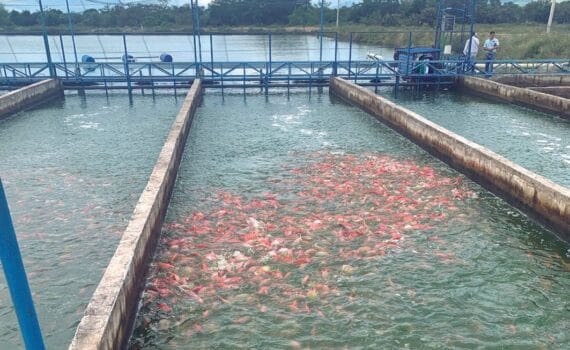
By Aquaculture Magazine Editorial Team Modern aquaculture, particularly tilapia farming, is experiencing a period of high technical demands. Rather than merely seeking to increase production volumes, producers now seek stability, predictability, and consistent results that allow them to plan their operations with less risk. In this context, the maturation and […]
* By FishProf FishProf noticed something quietly confronting in the global conversations emerging from Davos 2026: capital markets are beginning to treat food securitynotasasocialissue,butasamatter of economic and geopolitical stability. Food is being repriced — not because it is scarce today, but because systems that deliver it are fragile, inefficient, and poorly […]
* By Aquaculture Magazine Editorial Team Mangrove forests provide critical ecosystem services, including serving as nursery habitats for fish, protecting coastlines from erosion, and supporting local livelihoods. They are also among the most efficient carbon sinks on Earth, storing large amounts of “blue carbon” in deep, organic-rich soils that can retain […]
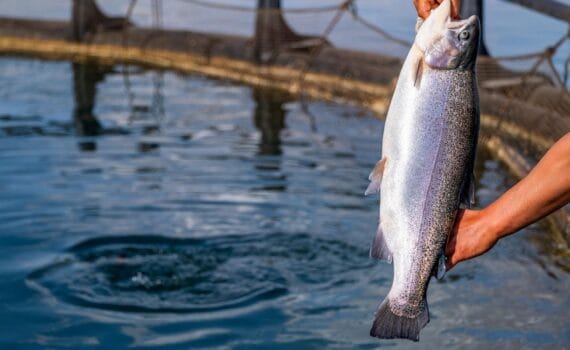
By Aquaculture Magazine Editorial Team Poultry by-product meal is high in protein and has a similar amino acid profile to fish meal. It also lacks any known anti-nutritional factors, making it a promising ingredient for carnivorous fish diets. This article summarizes the results of a study that evaluated the impact […]

Amy Novogratz and Mike Velings publish their first public statement more than a year after discovering the Indonesian aquaculture startup had fabricated financial data for years, costing the Dutch impact fund approximately $250 million. April 2026 | Aquaculture Magazine More than a year after one of the most damaging fraud […]
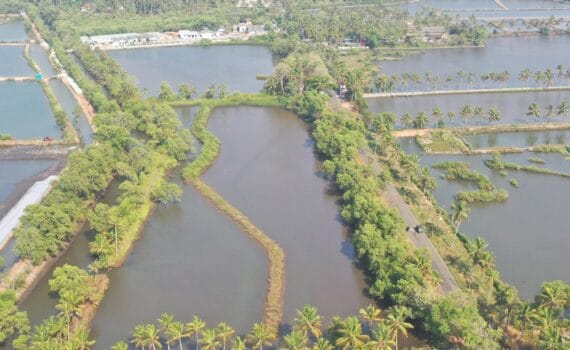
* By Stephen Newman, Ph.D. I recently had the pleasure of being a guest speaker at Aqua India 2026 at the Radisson Blu Resort, Temple Bay, Mamallapuram. I want to thank the coordinators and the sponsors of the meeting for the opportunity and an educational and informative meeting. This was […]

* By Sarah Cornelisse This article outlines an effective omni-channel marketing strategy by integrating owned, paid, and earned media. Owned media serves as the foundation for building customer trust, while paid media strategically amplifies messages, and earned media provides essential third-party credibility. Successful integration of these types fosters brand loyalty, strengthens […]

How to Measure, Manage, and Monetize Environmental Impact in a Market Where Every Drop of Water and Ton of CO₂ Matters By: Salvador Meza This article presents a comprehensive analysis of the First Strategic Carbon and Water Summit with Sustainable U.S. Soy, organized by the U.S. Soybean Export Council (USSEC), […]