

How to Measure, Manage, and Monetize Environmental Impact in a Market Where Every Drop of Water and Ton of CO₂ Matters
By: Salvador Meza
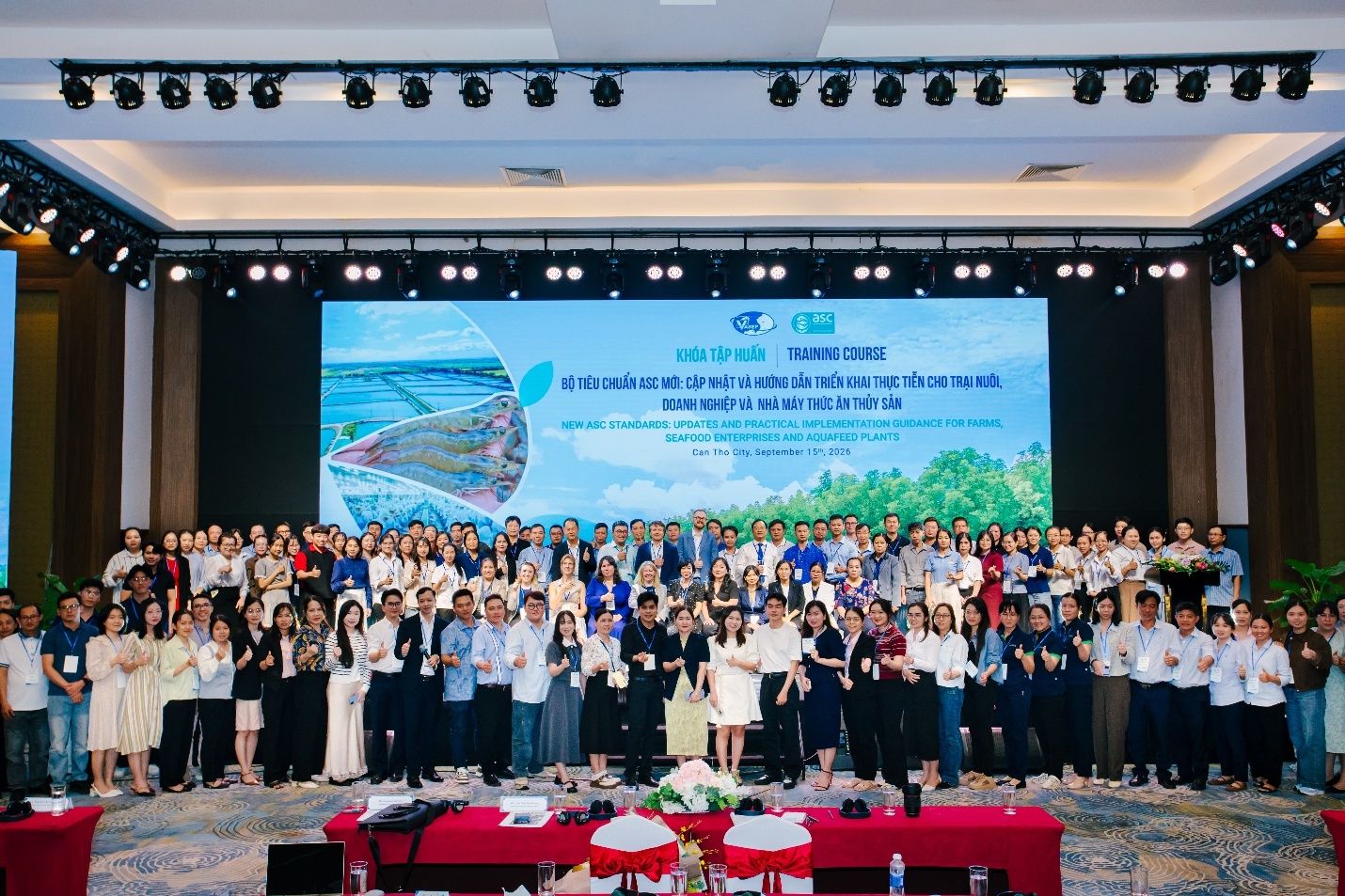
This article presents a comprehensive analysis of the First Strategic Carbon and Water Summit with Sustainable U.S. Soy, organized by the U.S. Soybean Export Council (USSEC), held in Mexico City on March 18–19, 2026.
What emerged from this summit is not just a set of technical insights, but a clear transformation in how sustainability is understood and managed. Today, water footprint, carbon footprint, and carbon markets are no longer abstract environmental concepts—they are measurable business variables that directly influence profitability, risk exposure, and market access.
This article is designed to guide you step by step—from foundational concepts to strategic application—so you can fully understand how to measure, manage, and even monetize environmental impact.
Climate Change and Business Risk: Why Sustainability Is Now a Core Strategy
Climate change is often discussed in environmental terms, but its most immediate impact is economic. Global temperatures have increased by approximately 1.1°C since pre-industrial times, driven primarily by greenhouse gas (GHG) emissions.
This seemingly small increase has triggered significant disruptions:
- – More frequent droughts and floods.
- – Changes in rainfall patterns.
- – Increased volatility in agricultural and aquaculture production.
- – Rising operational and insurance costs.
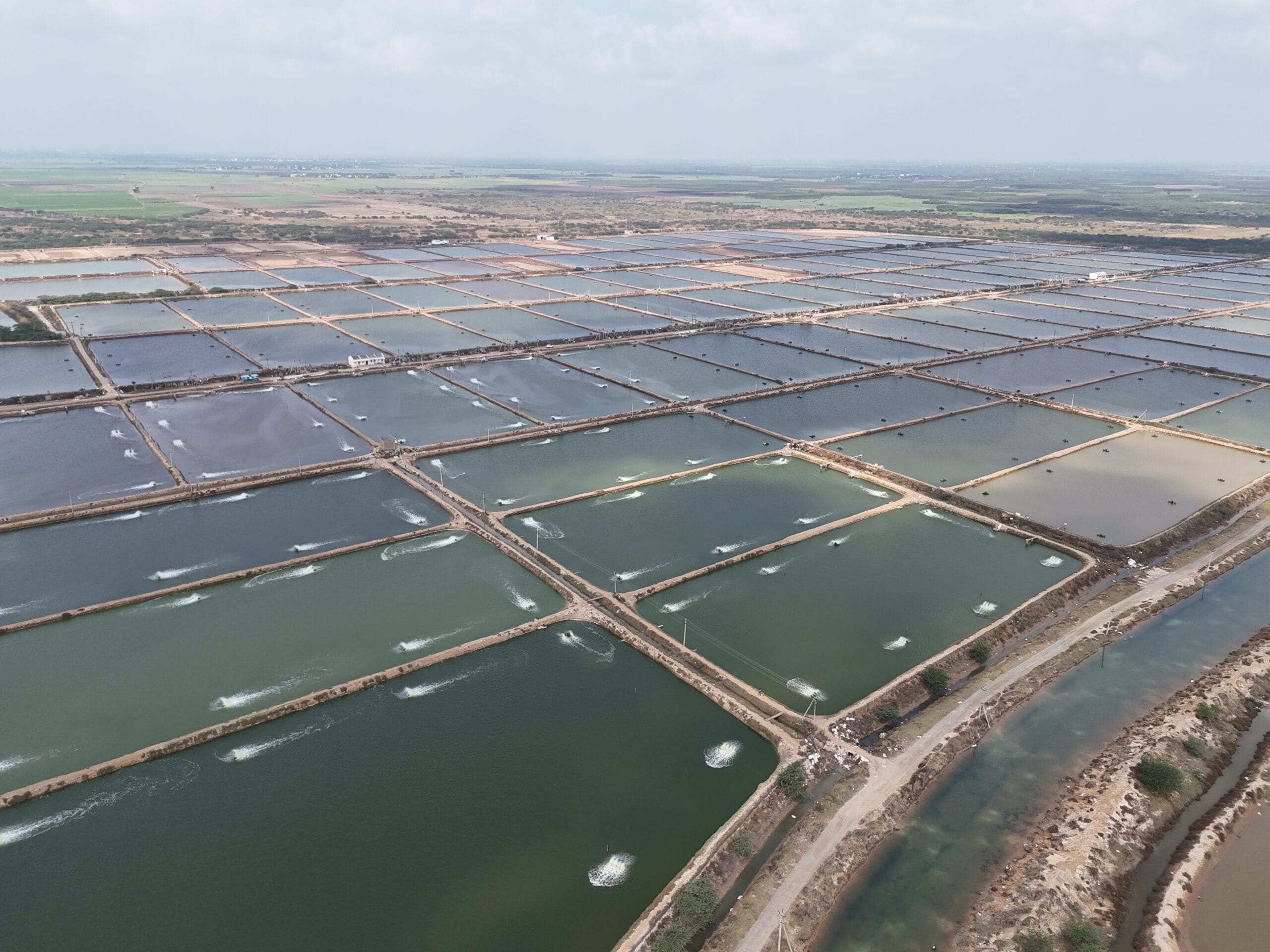
For industries that depend on natural resources—such as aquaculture—these changes are not theoretical. They affect water availability, feed production, and biological performance.
But there is a deeper shift: financial institutions, regulators, and buyers are now incorporating climate risk into their decision-making.
This means companies are no longer evaluated only on productivity, but also on how well they manage environmental risks.
Sustainability is no longer about reputation—it is about resilience, risk management, and long-term profitability.
What Is Water Footprint? Understanding Water Use Beyond the Surface
The concept of water footprint is one of the most important tools for understanding environmental impact.
At first glance, water use seems simple: how much water a farm or facility consumes. However, this view is incomplete. Water footprint expands the analysis to include all water used throughout the entire value chain.
For example, in aquaculture:
- – Water used in ponds is only one part of the equation.
- – Water used to grow feed ingredients can be significantly larger.
This is why many companies underestimate their true water impact.
The Three Components of Water Footprint Explained
To make the concept actionable, water footprint is divided into three types:
1. Blue Water (Direct Use)
This includes surface and groundwater extracted for operations.
Examples:
- – Filling ponds.
- – Water exchange in aquaculture systems.
- – Irrigation of crops.
Blue water is often the most regulated because it directly competes with human consumption and other industries.
2. Green Water (Rainwater Use)
- This refers to rainwater stored in soil and used by crops. It is especially important in feed production. Although it is not “extracted,” it is still a limited resource. Its availability depends on climate patterns and geography.
3. Grey Water (Water Quality Impact)
This represents the volume of water needed to dilute pollutants to safe levels.
In aquaculture, this is linked to:
- – Nutrient discharge (nitrogen, phosphorus).
- – Organic waste.
- – Effluent management.
Understanding these three components is critical because they behave differently depending on location and production system.
Water footprint is not about how much water you see—it’s about where water is actually consumed across the value chain.

How to Measure Water Footprint: From Theory to Actionable Metrics
Measuring water footprint transforms a conceptual idea into a decision-making tool. To ensure consistency, companies rely on standardized methodologies such as:
- – Water Footprint Assessment (WFA).
- – ISO 14046 Water Footprint Standard.
These frameworks allow companies to calculate water use across the full lifecycle of a product.
What Does Measurement Include?
- – Direct water consumption in operations.
- – Indirect water use in feed and raw materials.
- – Pollution levels and dilution requirements.
- – Local environmental conditions (water scarcity, climate).
Results are expressed in measurable units such as:
- – Cubic meters per ton of production.
- – Cubic meters per kilogram of product.
Why Measurement Matters
Without measurement:
- – Companies cannot identify inefficiencies.
- – Improvements cannot be quantified.
- – Performance cannot be compared.
Measurement reveals hotspots—areas where the greatest impact occurs—and enables targeted interventions.
Water Management: Optimizing Systems, Not Just Reducing Use
Once water footprint is measured, the next step is management. A common misconception is that water management means simply reducing consumption. In reality, it involves optimizing the entire production system.
Key Management Levers
- – Feed sourcing: Different regions have different water footprints.
- – Production systems: Closed systems may reduce water use but increase energy demand.
- – Nutrient management: Reducing waste lowers grey water footprint.
- – Production intensity: Higher efficiency can reduce total impact per unit.
These decisions often involve trade-offs. For example:
- – Reducing water use may increase energy consumption.
- – Improving feed efficiency may reduce both water and carbon impacts.
This is why water must be managed as part of a system, not in isolation.
Additionally, water should be treated as an ecosystem service, meaning its use must remain within ecological limits.
The goal is not to minimize water use at all costs, but to maximize efficiency while maintaining environmental balance.

Carbon Footprint: Measuring and Managing Emissions
While water footprint focuses on resource use, carbon footprint focuses on emissions. It measures the total greenhouse gas emissions generated by an operation, including:
- Scope 1: Direct emissions (fuel, on-site processes)
- Scope 2: Indirect emissions from energy use
- Scope 3: Emissions across the value chain
Carbon management follows a structured approach:
1. Measurement
Using frameworks such as:
- – GHG Protocol.
- – ISO 14064.
2. Reduction
Through:
- – Energy efficiency.
- – Renewable energy adoption.
- – Process optimization.
3. Compensation
By purchasing carbon credits to offset unavoidable emissions
Why Water and Carbon Must Be Managed Together
A critical insight from the summit is that water and carbon are interconnected.
Examples:
- – Energy-intensive systems reduce water use but increase emissions.
- – Efficient feed reduces both water and carbon footprints.
- – Logistics decisions impact emissions and indirect water use.
This interdependence means companies must adopt an integrated sustainability strategy, rather than treating each metric separately.
Sustainability decisions must balance water, energy, and emissions simultaneously.
Sustainability Reporting: Turning Data into Market Value
Measuring and managing impact is only part of the equation. Companies must also report their performance.
The GRI Standards (Global Reporting Initiative) provide a global framework for sustainability reporting, including:
- – GRI 303: Water and Effluents.
- – GRI 305: Emissions.
Why Reporting Is Critical
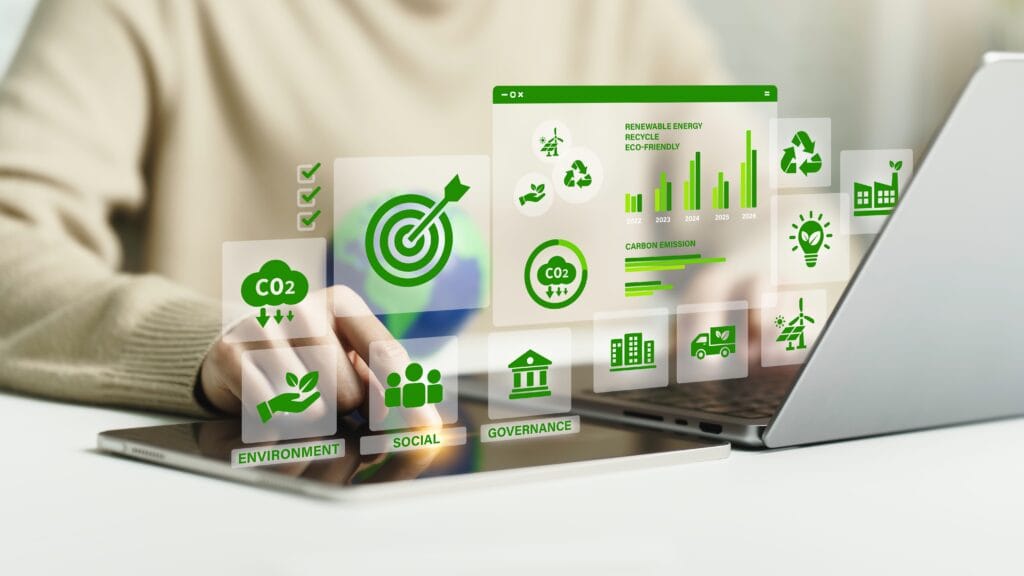
- – Investors require ESG data
- – Regulators demand. transparency.
- – Buyers prioritize sustainable suppliers.
- – Markets reward credible reporting.
More than 90% of large companies already use GRI standards, highlighting the shift toward standardized disclosure.
Carbon Markets: Monetizing Sustainability Efforts
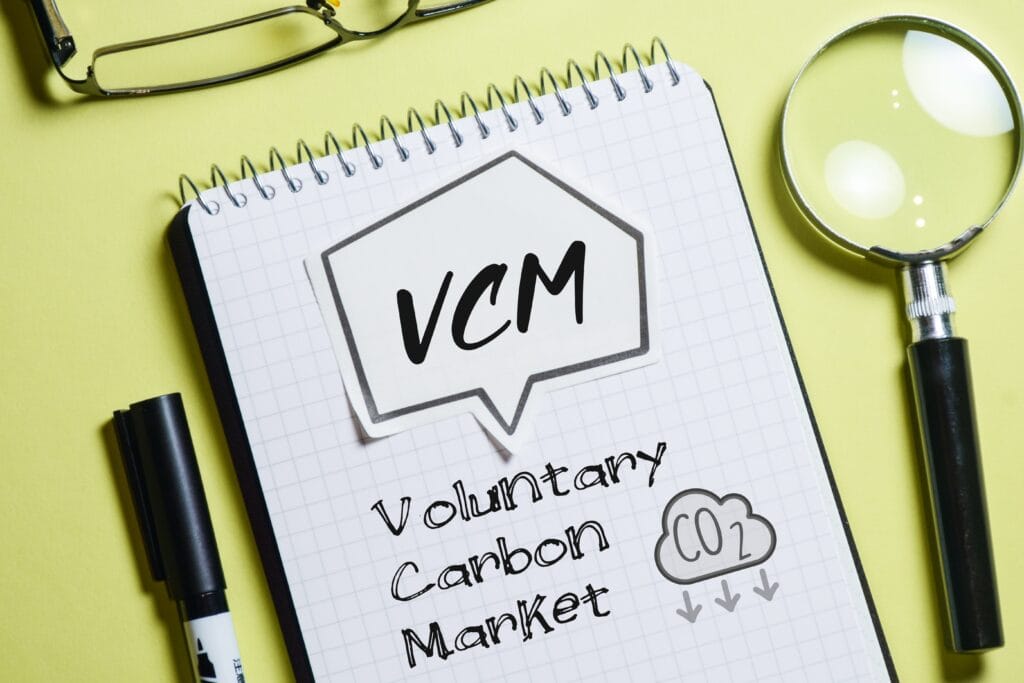
One of the most advanced topics discussed at the summit was carbon markets. These markets allow companies to turn sustainability into a financial asset.
How Carbon Markets Work
- – Companies that reduce emissions can generate carbon credits.
- – Companies that cannot fully reduce emissions can buy credits.
- – Each credit represents a verified reduction of one ton of CO₂.
These markets are expanding rapidly due to:
- – Increasing regulation.
- – Corporate net-zero commitments.
- – Global climate policies.
How to Participate in Carbon Markets: Step-by-Step
1. Measure emissions
Establish a baseline using recognized methodologies.
2. Reduce emissions
Implement efficiency and sustainability strategies.
3. Develop projects
Examples include:
- – Regenerative agriculture.
- – Renewable energy.
- – Carbon capture.
4. Verify results
Third-party certification ensures credibility
5. Trade credits
Sell in voluntary or regulated markets. However, not all projects qualify. They must meet strict criteria such as:
- – Additionality.
- – Permanence.
- – Verifiability.
Conclusion: Sustainability as a Strategic Advantage
The key message from the summit is clear: Sustainability is no longer optional—it is a core driver of competitiveness.
Companies that:
- – Understand their water footprint.
- – Manage their carbon footprint.
- – Integrate both into their strategy.
Will gain advantages in:
- – Cost efficiency.
- – Risk management.
- – Market access.
- – Revenue generation through carbon markets.
In today’s economy, environmental performance is becoming a key business metric. The question is no longer whether companies should act—but how quickly they can adapt. Because in a resource-constrained world: every drop of water and every ton of CO₂ will define who leads—and who falls behind.

One thought on “From Water to Carbon: The New Sustainability Equation Reshaping Aquaculture”
Good effort.