
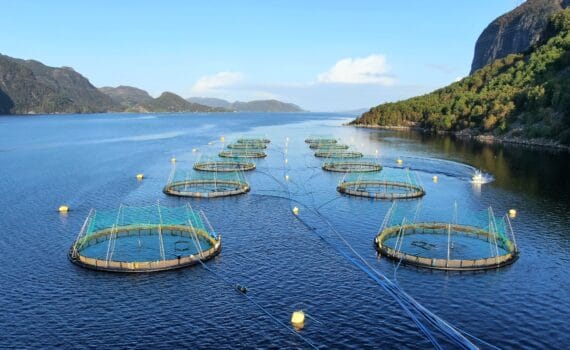
* By Fabio Cervellione and Ketil Christensen Navigating sustainability expectations and regulatory compliance in aquaculture requires a structured, multi-layered strategy. Through an integrated ecosystem of global innovation centers, veterinarians, and cutting-edge digital tools, Cargill Animal Nutrition & Health delivers validated, field-proven solutions. This unified approach transforms raw farm data into […]
Articles
354 posts
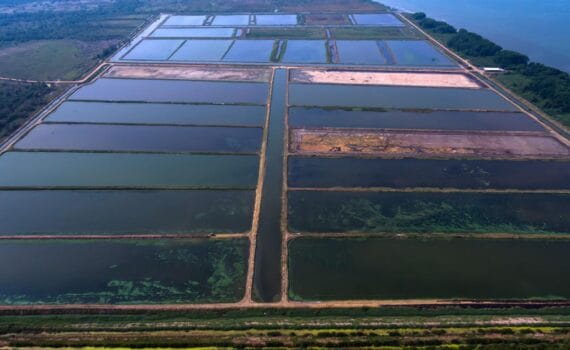
* By Stephen Newman El Niño impacts Ecuadorian shrimp farming directly through environmental changes and indirectly via fishmeal availability. Heavy rains, flooding, and higher disease risks threaten productivity. Projections suggest this could be one of the strongest events in recorded history. To ensure minimal disruption, farmers must take a measured […]
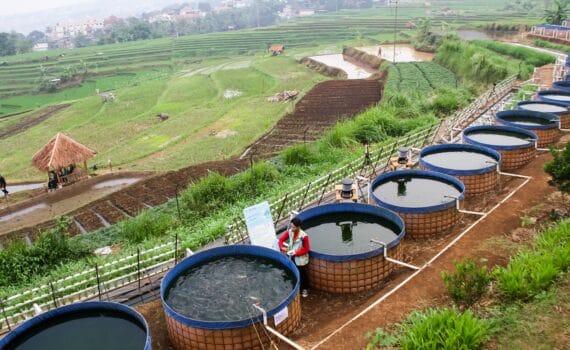
By Aquaculture Magazine Editorial Team Beyond every successful harvest lies a delicate equilibrium between high productivity and… ecological integrity. Functional feed additives like probiotics and prebiotics are currently redefining the industry by significantly enhancing growth, immunity, and feed efficiency. Adopting these “superfoods” allows producers to reduce reliance on wildcaught fish […]
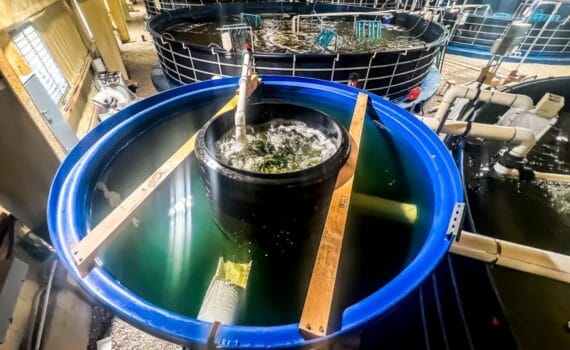
* By Brian Vinci, George Chamberlain, Robins McIntosh, Riley Krohn, Sujit Kaewchum, Antonio Santa Marta and Robert Jones Super-intensive shrimp farming demands robust infrastructure to handle solids like uneaten feed and molts. This article explores the use of computational fluid dynamics (CFD) to narrow down design options for 16- and […]
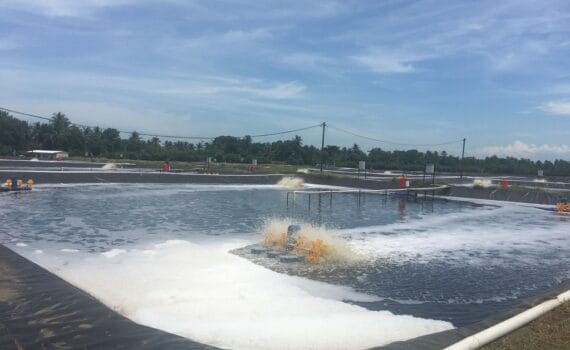
By Aquaculture Magazine Editorial Team As global demand for seafood continues to rise, aquaculture faces increasing pressure to optimize production systems while maintaining sustainability. Operational excellence in intensive shrimp farming is directly linked to pond design and environmental control. This study reveals that highdensity polyethylene (HDPE)-lined systems achieve a 133% […]
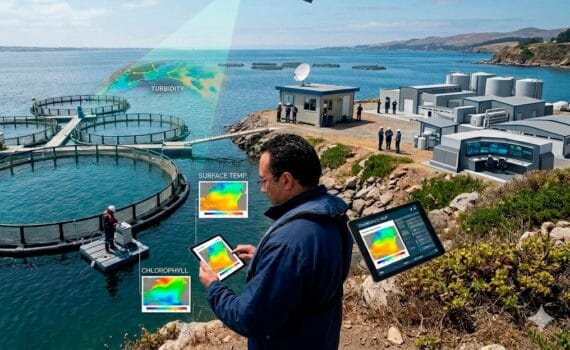
By Dr. Antonio Garza de Yta As climate variability increases, looking “beyond the pond” is no longer optional for capital-intensive production. Satellite applications provide scale and continuity, allowing stakeholders to estimate chlorophyll, nutrients, and turbidity. This digital infrastructure layer supports better feeding strategies and coordinated environmental governance, shifting the paradigm […]

* By Lallemand Animal Nutrition Evolving global aquaculture demand requires paradigm shift toward scientifically validated, preventive health solutions. Driven by a dedicated innovation ecosystem, Lallemand Animal Nutrition leverages its specialized library of over 12,500 marine microorganisms to deliver advanced solutions for gut microbiome management and mucosal immunity. This continuous cycle of […]
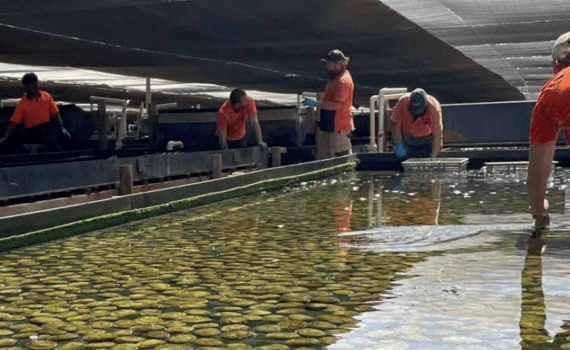
By Seafood Consumers Association The Food and Agriculture Organization of the that could reshape the global seafood sector — if industry, regulators and consumers are paying attention. In its newly released Medium-Term Plan 2026–29 and Program of Work and Budget 2026–27, FAO identifies consumer awareness as one of four global […]
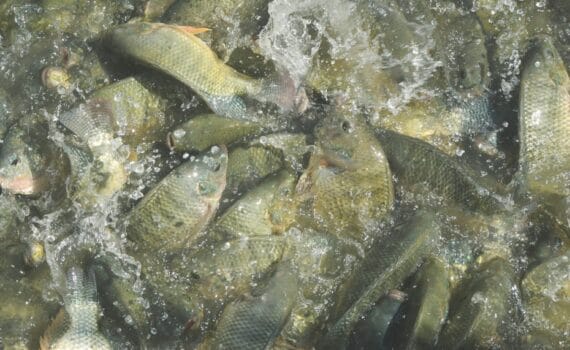
By Aquaculture Magazine Editorial Team As global aquaculture shifts toward ecological responsibility, Brazil’s nutritional strategies are evolving to reduce reliance on traditional fishmeal through the use of microalgae and plant-derived compounds. This articleexaminesrecentresearchonmacroalgaeandbioactivepeptides as pillars of a resilient production system. By prioritizing gut health and immune modulation, these advancements offer a […]

* By FishProf FishProf has been studying the Association for Consumer Research (ACR) reports regarding seafood and the impacts of fraud on consumer trust. ACR brings together researchers from universities, government, and industry to deepen understanding of everyday decision-making, including how culture, identity, and context shape what ends up on […]