
* By Stephen Newman, Ph.D.
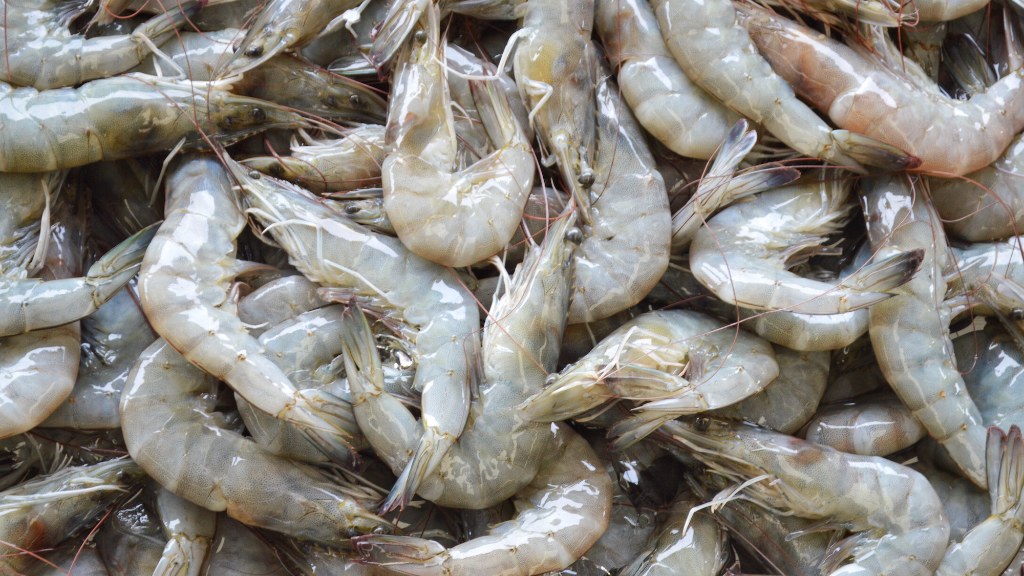
A common theme that we see more or less consistently is that survivals in shrimp hatcheries are poor. There are many reasons for this, and I want to lay out what many of these are and what might be done by focusing on criticalcontrol points.
Shrimp are highly evolved invertebrates in the sense that they have had hundreds of millions of years (based on the fossil record) to adapt to the many environments that they occupy. As human populations have soared in the last century so has the demand for the nutrients that are present in shrimp and in seafood in general. It is estimated that in 2025, approximately 3.3 million MTs of shrimp and prawns will have been fished. This contrasts with the more than 6 million MTs produced via aquaculture. This industry continues to grow year after year and will likely do so for the foreseeable future.
There is no one specific production paradigm that is used consistently everywhere. There are a number of generalities that are applicable. Note as in prior articles this is an overview. Specifics are available on the internet, although I will caution once again, let the buyer beware. Moreover, biological processes, by their nature, have inherent variability that can make it challenging to use one consistent paradigm. My approach into define points during the process, much as is done with Hazard Analysis Critical Control Points (HAACP) programs, that are critical control points (CCPs). Failure to address the specific aspects of a CCP can greatly increase the chances of a crop failure.
Critical control point: Broodstock can carry a variety of pathogens even when they have been screened for them. This is a major point of entry. If you cannot trust your supplier don’t buy from them. Check their histories. If their clients consistently have certain types of problems recognize that there are risks that may not be in your best interest.
Broodstock are used to produce the eggs that form the basis of the crop. Genetic improvement in these animals is a fluid process and incremental increases in growth rates, the ability to utilize alternative protein sources, tolerance and resistance to pathogens and the stressors that are an inherent part of many production systems are the subject of many ongoing efforts. The term Specific Pathogen Free (SPF) is used to describe the absence of specific pathogens from a group of animals.
This status, when genuine, is based on shrimp (or fish) being cultured under conditions that ensure that a given pathogen is not present and that the animals are not carrying these pathogens from the onset. It does not mean that the animal is free of all pathogens, nor does it mean that the animals cannot be infected by the specific pathogens that they are free of. SPF animals should be produced and held under highly controlled conditions to ensure that the population remains free of a given pathogen. If animals are held under non exacting conditions, they may no longer be considered to be SPF.
The term Specific Pathogen Free (SPF) is used to describe the absence of specific pathogens from a group of animals. This status, when genuine, is based on shrimp (or fish) being cultured under conditions that ensure that a given pathogen is not present.
Critical control point: Polymerase chain reaction (PCR) increases the levels of specific DNA sequences and tests for them using targeted complementary sequences that react with the DNA when screening animals, usually on a population basis. qPCR is quantitative in that it tells us what the levels are of the DNA which can be correlated with pathogen loads and changes with time. This is the tool of choice for establishing the presence or absence of DNA that is pathogen specific. Ideally it is directed against toxin genes (for bacterial pathogens) as there are many instances where a generic approach would react with strains that are not overt pathogens.
Screening of individual broodstock for a range of pathogens used to be too costly. Recent innovations have reduced the overall costs and individuals can be tested for the presence of a range of specific pathogens cost effectively. However, there are limitations. PCR can only detect DNA when it is present. If a pathogen targets specific tissues these tissues should be tested. As well when pathogens having specific properties that impact their ability to grow, testing for them without taking this into account can result in false negatives.
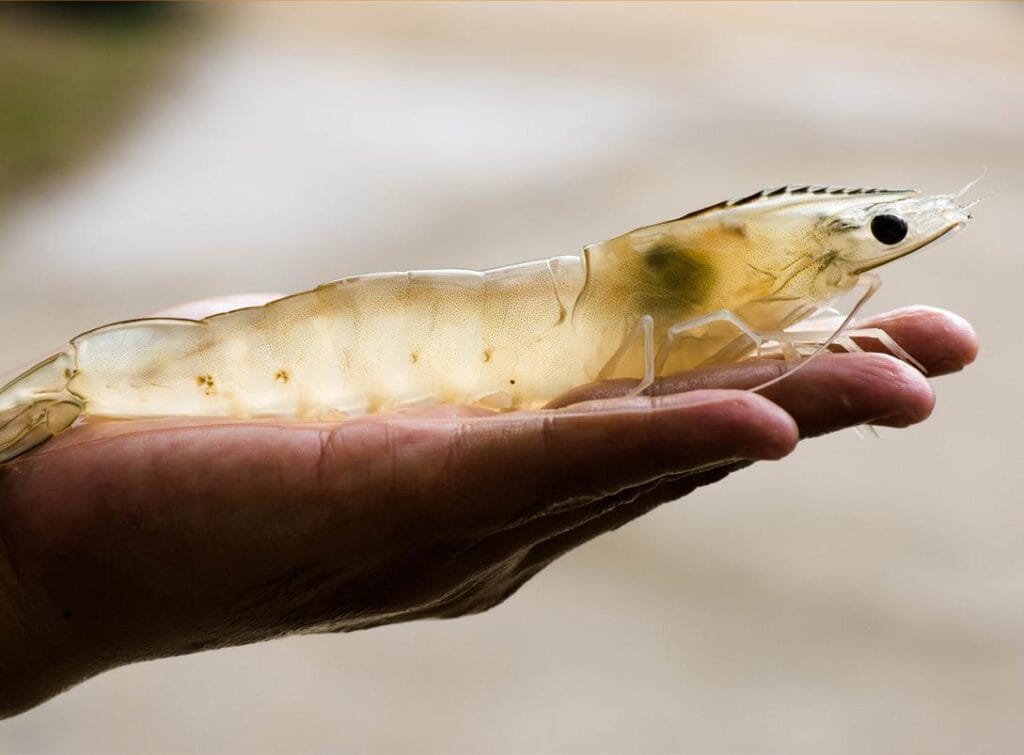
White spot syndrome virus (WSSV) is one such virus. It can be present in animals at low levels in hiding essentially. This is why broodstock need to be tested for its presence by being held at lower water temperatures than ideal and stressed. Obviously, one can only see what one can look for. There are many viruses and potential bacterial pathogens that PCR does not exist for.
Many animals that are sold as SPF start out that way but are not kept in an environment that ensures this. A nucleus breeding center (NBC), a high biosecurity facility, that is closed (inputs are tightly controlled) is an integral component that ensures animals maintain their SPF status. Wild broodstock, even if screened individually, may carry biosecurity risks as do pond reared animals. The use of NBCs ensures that the traits and health status of the broodstock are consistent.
Ideally, animals are held in a biosecure maturation facility with the light controlled with stable water quality parameters, including temperature and salinities. Male to female ratios are roughly 2 females for every male. Their environment is conducive to maximizing copulation. Animals are fed a blend of fresh, usually frozen and typically sterilized high quality feed, although this is not an absolute as some feeds are produced under conditions that ensure that there is no possibility of contaminating pathogens.
They are fed a variety of feeds including, polychaetes, squid, mussels, krill and/or Artemia biomass plus standardized formulated diets that ensure that the animals have the range of nutrients needed to produce high quality eggs and nauplii. If these fresh feeds are not properly prepared, they can readily contaminate broodstock and set off a cascade of events that ultimately negatively impacts not just fecundity but the overall health of the animals in production ponds.
PCR is the tool of choice for establishing the presence or absence of DNA that is pathogen specific. Ideally it is directed against toxin genes (for bacterial pathogens) as there are many instances where a generic approach would react with strains that are not overt pathogens.
Critical control point: Broodstock are best fed high-quality diets that have been appropriately treated to ensure that they are not a source of pathogens. Eye stalk ablation protocols that leave the animal with open to the environment wounds can get infected. Ablation is being phased out due to concerns about it being done in a manner that is harmful (painful?) to the animal.
Since the eye stalk contains cells that produce gonad-inhibiting hormone (GIH) that regulate oogenesis a widely used practice, historically, has been to interfere with this by damaging the eye stalk. This deregulates the process and allows animals to spawn many times in a relatively short period of time. There are some advantages to this in terms of rapidity of spawning although it can deplete the female and hasten her demise and the latter spawns can have reduced fitness. A number of different approaches are employed ranging from the crude which can severely stress the animals to the sophisticated that does not leave the animals stressed. This is a potential site where infectious agents can enter broodstock much as with improperly sterilized fresh feeds.
Critical control point: Many potential pathogens can attach to the surface of eggs and nauplii. Even if the broodstock are “clean”, appropriate disinfection protocols using mild disinfectants, such as iodophors, and washing with clean, sterile water is a wise practice. Larval forms should be handled with care as they are easily damaged.
The number of eggs produced by females depends on several variables. The genus, the size of the female, the quality and quantity of diets, strain variability, the number of successive induced spawns, and the environment are all important factors. In Penaeus vannamei the female’s mate after they molt. The males transfer a packet of sperm, the spermatophore, to the females thelycum, a structure that stores the sperm. Females can spawn multiple times from this single mating. This usually takes place at night with the female extruding the eggs ensuring that they are fertilized.
Several approaches are employed. Mated females are moved to spawning tanks and returned to the maturation tanks post spawning.
Eggs are sampled to determine relative counts and nauplii hatch within 12-to-16-hours post fertilization. Eggs should be surface disinfected with mild disinfectants and sterile water and moved to containers that contain clean water. Once they hatch into nauplii, which should also be surface disinfected, this nonfeeding stage goes through a series of molts while digesting the egg nutrients.
This is a fragile life stage and frequently standard operating procedure (SOPs) do not take this into account. They damage easily and this increases the likelihood of them being infected with bacterial pathogens. Gentle handling should be an SOP although this is not always the case. This can lead to early problems in survival due to damage and the presence of opportunistic bacteria.
Critical Control Point: The first feeding after animals is no longer using the nutrients in the yolk is often a problem. The use of axenic algae is essential as is ensuring that the water the animals are in is clean and free of potential pathogens. Vibrios are all too common, even at low levels, as contaminants on algae and Artemia and the first-time larval shrimp eat they are highly susceptible to negative impacts.
The first feeding stage, zoeae, as with the nauplii, is also a less than hardy life stage. This is the first stage at which they consume feed. Algae that are contaminated can cause total population wipe outs and weaken the survivors. It is imperative that what they are fed is axenic, i.e. uncontaminated. Frequently this ignored in smaller hatcheries. Many large hatcheries use great care to make sure that there is no contamination.
Commercial suppliers of algae do as well. The zoeae syndrome is a result of vibrios that are ingested with their first meals combined with hatchery practices that have allowed organic matter to accumulate to levels that nourish vibrios and foul the aquatic environment. Inadequate disinfection, creating an environment that vibrios thrive in and contaminated feed are components of the infectious process that can be controlled.
The first feeding after animals is no longer using the nutrients in the yolk is often a problem. The use of axenic algae is essential as is ensuring that the water the animals are in is clean and free of potential pathogens.
Critical control point: Post larval shrimp are easily infected. Handling of them for counting, moving between tanks, etc. can damage and stress them weakening them and opening the door for problems. The lower the accumulated organic loads in the environment, the better. Organic matter accumulates constantly as a result of feeding as well as due to animals frequently molting and defecating.
The zoeae molt into mysis. In P. vannamei, there are three zoeae stages and three mysis stages. After the final molt of the mysis they become post larval shrimp (PLs). Each of the larval stages must be handled carefully so as to minimize stress and held under conditions that ensure that the possibility of disease is minimal. Creating an environment that vibrios cannot thrive in requires diligence.
Critical control point:Inadequate disinfection of early life stages and production in environments that are not stress free and that contain accumulated nutrients that encourage the growth of pathogenic bacteria leads to animal health issues. Viruses need host cells to replicate and adequate disinfection and quarantine processes will ensure that those viruses that we are aware of are not present at problematic levels. There are no immortal cell lines available for shrimp. Primary cell lines that may live for a few passages are the only tools that we have to screen for the presence of viruses in genera a well as PCR for known viruses.
Elimination of all of the vibrios is a fool’s errand as there are many other bacteria that will occupy the same niches and many of the problems with bacterial infections in shrimp are secondary. Those that are primary are typically a result of toxins.
Critical control point: Once the PLs are stocked in tanks there are still significant risks even if everything else has been done “correctly”. Vibrios can be air borne and even small amounts of accumulated organic matter will ensure that they have what they need to grow to levels that can cause problems.
Vibrios are part of a group of bacteria known as copiotrophs. They thrive in nutrient rich environments typical of aquatic production systems where organic matter accumulates. They grow rapidly and can readily utilize a wide variety of nutrient sources including simple substrates such as amino acids, sugars and organic acids. Although the genus is ubiquitous in marine environments most species are benign and play an import role in nutrient recycling in aquatic ecosystems.
The distinction between the ability to use sucrose forms the basis of the differentiation of the species into green and yellow colonies on the moderately selective media, TCBS. There is no correlation between this and pathogenicity. Strains of Vibrio parahaemolyticus cannot degrade sucrose. This has no relationship to the presence of toxins. Strain of V. alginolyticus degrade sucrose which is also not related to the presence of toxins.
Elimination of all of the vibrios is a fool’s errand as there are many other bacteria that will occupy the same niches and many of the problems with bacterial infections in shrimp are secondary. Those that are primary are typically a result of the presence of toxins in specific strains of specific species. Reduction in the overall levels of those strains that are virulent can be achieved by managing the overall levels of organic matter, i.e. reducing the available food, and maintaining natural microbial diversity.
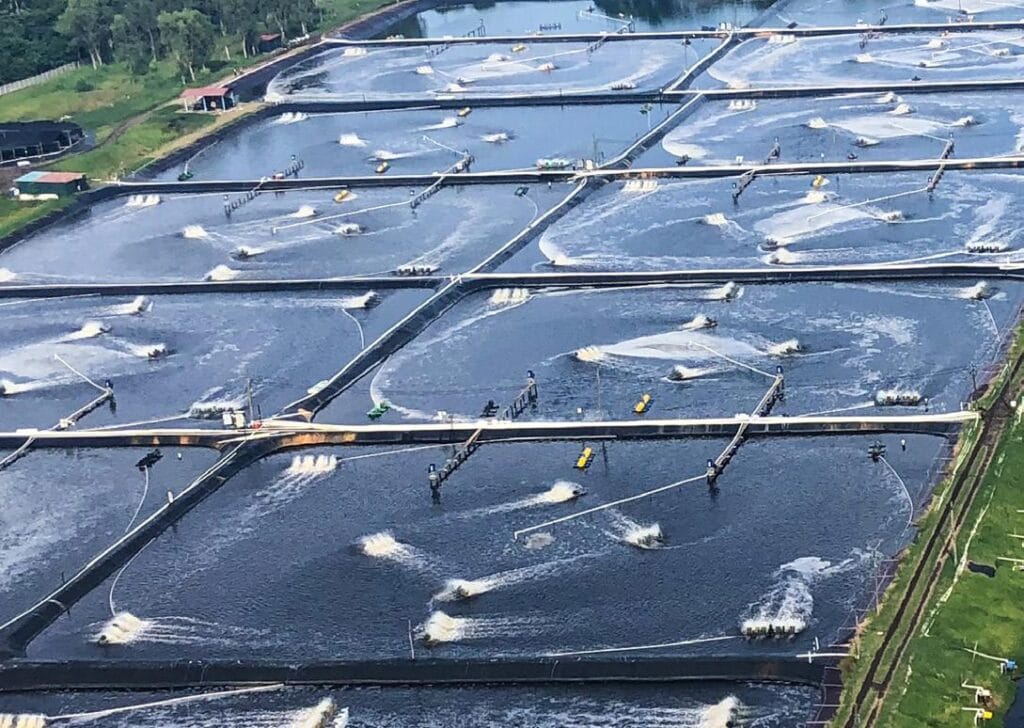
Many companies will use multiple microbial products in tanks in an effort to ensure this. This can be a bad idea as some bacteria may interfere with the activity of others. Bacteria can inhibit each other and even allow undesirable bacteria to dominate. A single high quality microbial probiotic is all that is usually needed. The key is to use it in the right way. Many are sold as if they are formulaic, i.e. use this much every time. The dosages in terms of frequency and quantities should be adjusted as the amount of organic matter increases during the production cycle.
Susceptibility to pathogens is complex. Aside from the pathogen having a mechanism to produce disease, it must attach to the animal (when they enter through the external surface), enter the animal (when this is how they produce disease), and reproduce rapidly enough to avoid or overwhelm the hosts immune defense mechanisms. Genetics and environment impact the host factors that allow infection.
Different species and even within a species, strains can display varying susceptibility to obligate pathogens. These are pathogens that by their mere presence can cause disease. There are very few of these relatives to the numbers of opportunistic pathogens that take advantage of weakened hosts. So even if one were able to totally eliminate a given pathogen, this does not mean that your animals cannot get sick.
In summary, each step of the production process carries risks. If appropriate steps and controls are in place, the odds of the process of producing animals for stocking will not result in pathogens being introduced. The risk then is once they have been stocked. Pathogens can be introduced in many ways. This includes but it is not limited to the introduction of vectors that carry the pathogens, inadequate disinfection of ponds between cycles, failure to control organic matter accumulation during the cycle, high numbers of birds that feed on weakened and ill shrimp and move them between ponds, etc. Even being downwind from farms with acute outbreaks can result in airborne movement of viruses and bacteria into naive ponds.
Stress negatively impacts the homeostatic mechanisms in the shrimp (and fish). Stress reduction requires an understanding of what causes stress. It is in one’s best interest to minimize stressors and if this is not done, it greatly increases the chances of problems. Weak animals can spread pathogens through a population. The literature has many examples of stressors. Observations that animals can be exposed to high levels of stress and not get ill does mean that this is a good idea. You are gambling when you do this.
Somethings that can help are the use of aeration to ensure that dissolved oxygen levels remain above certain thresholds, the use of automatic feeders, the manufacture of feeds that have been developed for the specific animals being farmed, not stocking at excessively high densities (understanding the concept of carrying capacity), avoiding unnecessary handling (partial harvests can easily set off a disease outbreak), the use of bioremediation/ probiotics (such as PRO4000X and the AquaPro line) to improve water quality, reduce the nutrients available for potential pathogens and increase the ability of animals to tolerate exposure and many others.

* Stephen G. Newman has a bachelor’s degree from the University of Maryland in Conservation and Resource Management (ecology) and a Ph.D. from the University of Miami, in Marine Microbiology. He has over 40 years of experience working within a range of topics and approaches on aquaculture such as water quality, animal health, biosecurity with special focus on shrimp and salmonids. He founded Aquaintech in 1996 and continues to be CEO of this company to the present day. It is heavily focused on providing consulting services around the world on microbial technologies and biosecurity issues.
AquaintechInc. has clients for its range of microbial products in many countries. Our products are used in shrimp and fishponds, RAS, broodstock, hatcheries and farms of all descriptions. sgnewm@aqua-in-tech.com www.aqua-in-tech.com www.bioremediationaquaculture.com www.sustainablegreenaquaculture.com.