
The emergence of Artificial Intelligence is driving a profound structural transformation that leaves no room for a passive stance within the industry. To understand how the use of data, digital infrastructure, and systemic integration are indispensable for leading the sector into the future, it is essential to analyze the point […]
Articles
354 posts
By Aquaculture Magazine Editorial Team Shrimp farming faces the challenge of increasing productivity while reducing environmental impacts. This study demonstrates that production model and farming technology strongly influence economic, ecological, and social performance, highlighting integrated multitrophic aquaculture and recirculating systems as the most promising strategies for achieving long-term sustainability, resource […]
* By Juan Diego Rodriguez Triana In an era of global environmental strain, efficient resource management dictates aquaculture sustainability. Juan Diego Rodriguez Triana establishes the conceptual foundations of the aquaculture water footprint. By decomposing usage into blue, green, and gray components, this analytical framework maps direct farm consumption alongside indirect […]
*By Aquaculture Magazine Editorial Team Cobia (Rachycentron canadum) is a promising species for aquaculture, distributed in subtropical and tropical waters, yet primarily caught through recreational fishing. Notable landings occur in countries like Pakistan, Iran, Malaysia, and Brazil. Cobia’s feeding habits are less understood for juveniles, though they are believed to […]
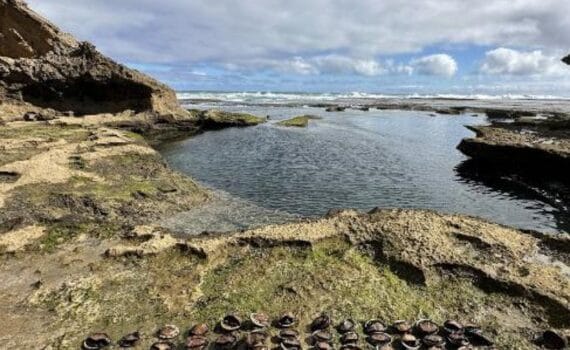
* By FishProf As Associate Professor Tomer Ventura’s research reveals, the definition of success in aquaculture is changing. Moving beyond traditional lagging indicators, advanced genomics allows us to decode the shrimp nervous system and map stress-response genes. This groundbreaking work establishes practical molecular welfare indicators to turn invisible stress into […]
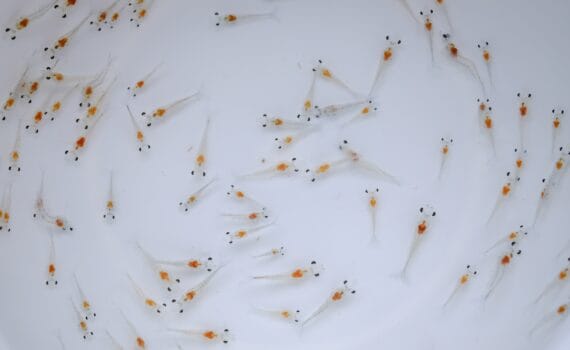
Editorial Staff | Aquaculture Magazine Source: Aquaculture Health Committees / ANPLAC · Data 2016–2025 (2025 preliminary) · Own statistical analysis A decade of records allows us to trace, for the first time, the complete trajectory of Mexico’s shrimp larval industry: a sector that grew 27.5%, remapped its geography, and set […]
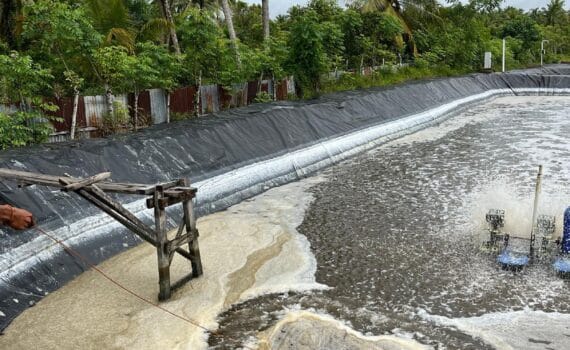
* By Aquaculture Magazine Editorial Team Can aquaculture waste become a valuable resource instead of an environmental problem? Biofloc Technology converts organic waste into nutrient-rich microbial biomass to enhance shrimp farming sustainability. This comprehensive review highlights that for large-scale production, utilizing high-density polyethylene (HDPE)-lined ponds with central drainage is ideal. Alongside […]
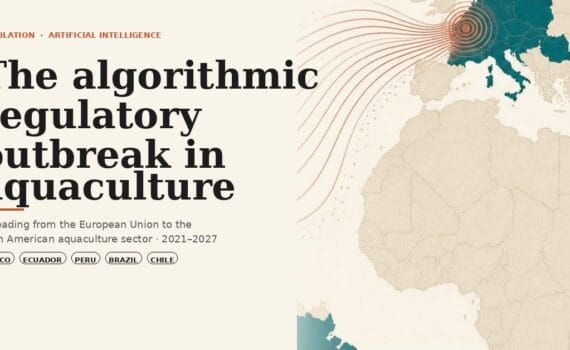
Regulatory outbreaks reach the aquaculture sector with the same logic as sanitary ones: no warning, a clearly identifiable causal agent, and a predictable propagation map. Five algorithmic governance regulations are landing on Latin American aquaculture operations at the same time.
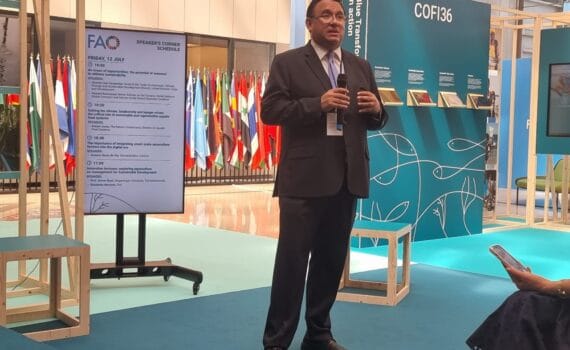
* By Aquaculture Magazine Editorial Team In this discussion, Dr. Antonio Garza de Yta outlines Aquaculture 4.0 as the shift from fragmented farming to integrated, data-driven systems. By connecting infrastructure, data, and value chain integration, the industry can eliminate operational uncertainty, reveal unseen biological risks, and unlock large-scale structured finance. […]
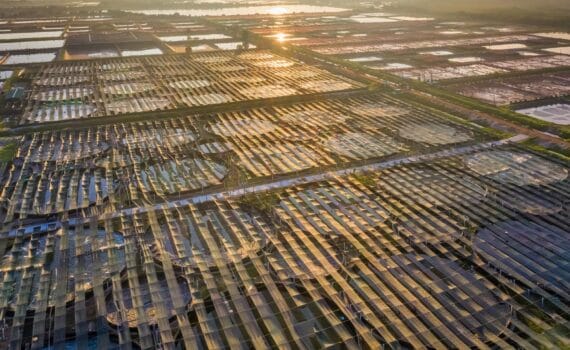
* By Ph.D. Stephen Newman As global aquaculture surpasses 100 million metric tons, the shift toward evolving production paradigms is no longer optional but essential for sustainability. This analysis explores how traditional methods are giving way to advanced technological frameworks, including precision genetic selection and automated husbandry. By redefining these core […]