*By Maddie Voorhees and Drue Banta Winters Maddie Voorhees is the U.S. aquaculture campaign director at the Environmental Defense Action Fund. Drue Banta Winters is the campaign manager for Stronger America Through Seafood. When a family in America sits down for a seafood dinner, the fish on their plates almost certainly comes from overseas, and very likely from a fish farm. Aquaculture, or...
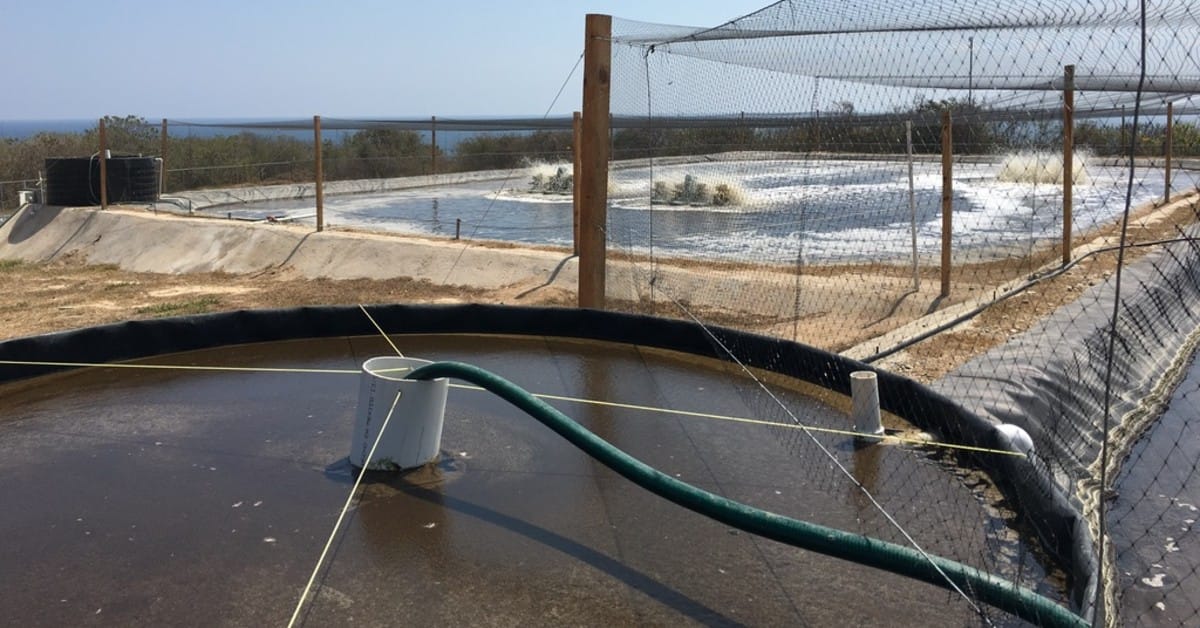
Sponsored article. This article is sponsored by Reef Industries, Inc. The research summarised here was conducted and published independently by the USDA Agricultural Research Service. The sponsor had no involvement in the study, and the study did not evaluate or compare liner products or brands. Editorial Staff | Aquaculture Magazine Source: Green, B.W., Rawles, S.D., McEntire, M.E. & Ray, C.L....
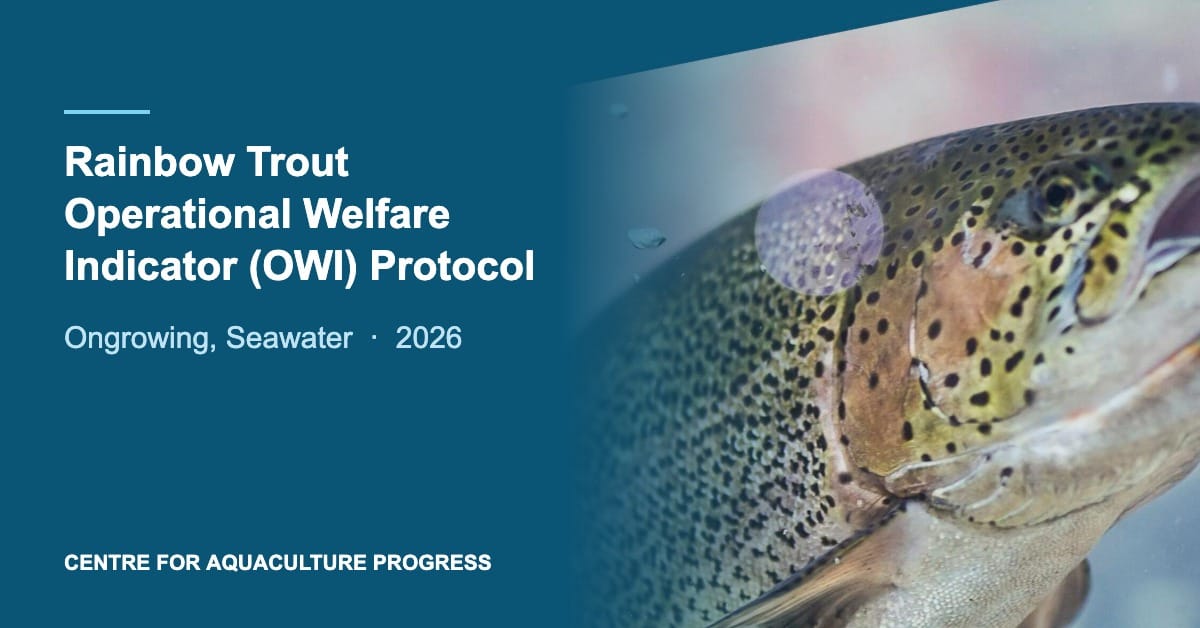
Editorial Staff | Aquaculture Magazine Source: Centre for Aquaculture Progress · Operational Welfare Indicator Protocol for ongrowing rainbow trout in seawater, version 1.0, 2026 · Available on the CAP OWI Protocol Hub as an interactive version and as a PDF download The Centre for Aquaculture Progress has published what it describes as the first assessment tool of its kind for...
* By Aquaculture Magazine Editorial Team Record-low catch quotas, extended fishing bans, and fishmeal prices at historic highs are reshaping production cost structures for aquafeed manufacturers in Ecuador, Chile, and beyond — while rendered animal by-products and Antarctic krill emerge as strategic substitutes. The 2026 Fishing Season: Context and Key Figures On April 1, 2026, Peru’s Ministry off Production (PRODUCE) authorized...
The emergence of Artificial Intelligence is driving a profound structural transformation that leaves no room for a passive stance within the industry. To understand how the use of data, digital infrastructure, and systemic integration are indispensable for leading the sector into the future, it is essential to analyze the point of noreturn toward Smart Aquaculture by combining FAO guidelines with...
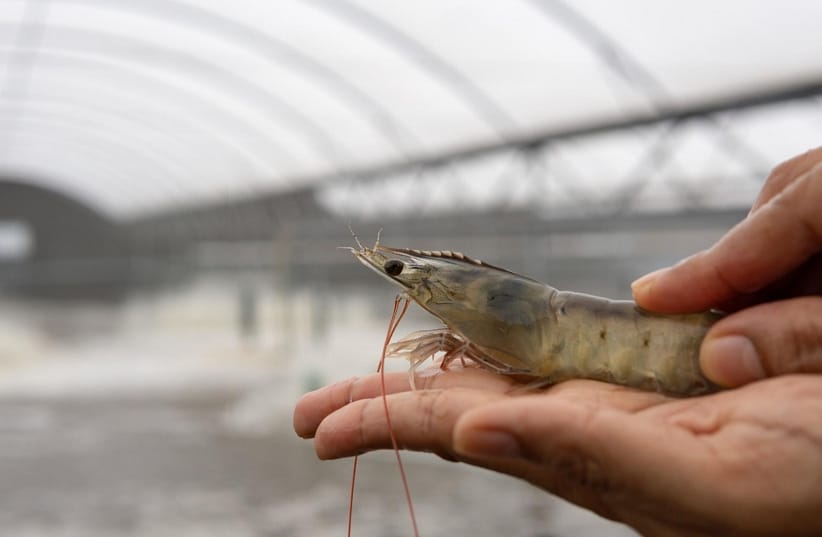
By Aquaculture Magazine Editorial Team Shrimp farming faces the challenge of increasing productivity while reducing environmental impacts. This study demonstrates that production model and farming technology strongly influence economic, ecological, and social performance, highlighting integrated multitrophic aquaculture and recirculating systems as the most promising strategies for achieving long-term sustainability, resource efficiency, and resilient shrimp production. Shrimp farming plays a vital...