

By: The Fishmonger* As we enter the New Year ‘The Fishmonger’ is wondering if we are going to see some innovation in promoting seafood and especially getting the consumers more engaged in purchasing more and obtaining more confidence. As we enter the New Year ‘The Fishmonger’ is wondering if we […]
Articles
354 posts
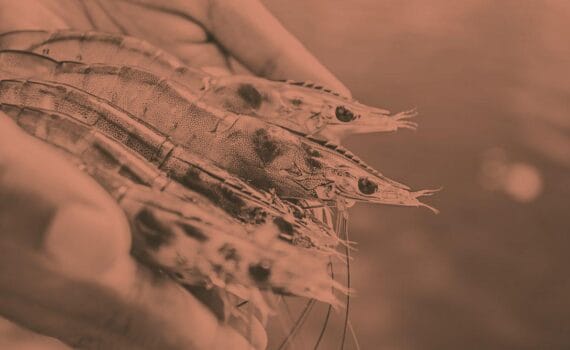
By: Ph.D. Stephen G. Newman* The Office International des Epizooties was founded almost 100 years ago. Its stated mission is to ensure the transparent dissemination of animal health challenges with the goal of ensuring optimal animal health largely via education. The question is: Are they fulfilling their mandate to help […]

By: Sarah Cornelisse* What gets you to open the emails that land in your inbox or to click on an advertisement that appears in your social media feed? Perhaps you are drawn to humor or to images of practical applications for products. Now, consider how you develop your own online […]

There is a growing recognition of the challenges associated with ensuring good nutrition for all without compromising the environment. This is particularly true for aquaculture, given the reliance on marine extraction for key feed ingredients, yet at the same time it delivers key nutrients such as omega-3 long chain polyunsaturated […]

Increasing per capita demand for seafood is predicted over coming decades despite static fisheries supply. The Aquaculture Adoption Index considers national production relative to consumption and may be predictive of nations where supply instability may occur or, where uptake could benefit food security. Introduction Increasing per capita demand for seafood […]

The shrimp feed industry is constantly looking for opportunities to minimize the dependency on expensive fish meal and to keep the industry profitable and sustainable. In this sense we present a work that investigated the optimal levels of fish meal (FML) and dietary methionine (Met) required for maximum growth performance […]
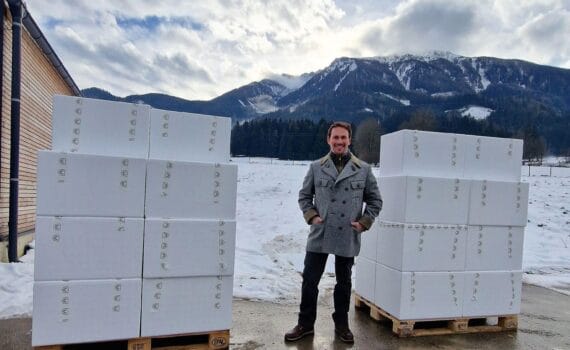
By: Philip Buike* Home grown shrimp is currently one of the hottest topics in the European Aquaculture sector, this article attempts to explain why this has come about, where the major development is occurring, what technologies are currently being employed and finally, what are the future prospects for this novel […]
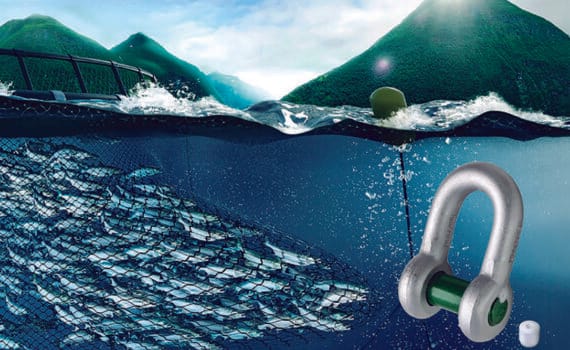
If ever durable products were required, it is probably most visible in the fishing and aquaculture industries. Your underwater cages and mooring systems need shackles, bolts and other mooring accessories that are below surface, but above standard. That is why the Green Pin® aquaculture products are the top choice for […]

By: Miguel Sepulveda, Marine Biologist * Kappaphycus alvarezii, a species cultivated in at least 30 countries, is the main raw material for obtaining kappa carrageenan, an odorless, tasteless powder widely used in the food and cosmetics industry. In 2017, Brazil imported about 2,500 tons of Carrageenan valued at USD 22 […]

By: Ph.D Stephen G. Newman* Consumers are being sold on systems that might deal with some aspects of sustainability, i.e., water quality and quality of the production environment, but that do not deal with the movement of pathogens between populations. So, at the risk of being repetitive, what is the […]