

Aquaculture feeds include fishmeal and fish oil, extracted from wildcaught fish such as sardines, and poses ecological, food security, and economic drawbacks. Here is a review on the recent development of using microorganisms, technological innovation, challenges, and opportunities to develop a low environmental footprint of aquaculture diet. Aquaculture, the fastest […]
Articles
354 posts

By: José Virgilio Jiménez Ayala, Geert Rombaut and Eva Werbrouck* A recent field trial conducted by INVE Aquaculture shows that an optimized feeding protocol can help hatcheries get the most out of their 4-month season thanks to a 27% increase in PL production and a 20% higher profitability. Due to […]

Marine microalgae are the natural source of proteins and oils in the marine food web. Here is described a method for saving 30% of the world fish catch by producing fishmeal and fish oil replacement products from marine microalgae. Fishmeal and fish oil are unique nutritional ingredients, produced by rendering […]

By: The fishmonger * No country will influence seafood into the future more than China, so when a well-researched paper is made available, we need to read, learn and start considering how it will impact our businesses and countries. When given the opportunity for expanding business, there would be few […]

by Amy Stone* Picking the correct diffuser for your application will save both time, money, and possibly unnecessary mortalities in your system. Over the years, we have heard many names for devices that diffuse air, oxygen, ozone, etc. The truth is that regardless of the name we call it, they […]

By: American Fisheries Society * Unless urgent action is taken to reduce emissions, scientists predict catastrophic impacts to commercial, recreational, and subsistence fisheries and human health and global economies. This article summarizes key scientific findings highlighting the effect of climate changes on aquatic ecosystems. These findings provide evidence of what […]

Blue-green algae can cause off-flavors in farmed catfish, leading to costly harvesting delays. How can these off-flavors be eliminated? Recently USDA and HeroX launched a challenge to protect the natural flavor of catfish. Winning Solutions will Share a $60,000 Prize Purse. Exposure to certain varieties of blue-green algae, also known […]

By: Ajuzie C.C. and S.N. Danjuma * This article developed by researchers of the University of Jos in Nigeria, investigates the relative importance of aeration in incubation units of eggs of C. gariepinus, as one of the criteria for meeting optimal hatchery conditions in African catfish hatcheries. The African catfish, […]

By: Victoria Alday-Sanz, James Brock, Timothy W. Flegel, Robins McIntosh, Melba G. Bondad-Reantaso, Marcela Salazar and Rohana Subasinghe * This article, developed by a group of shrimp farming specialists, seeks to clarify the meanings of new terms that are frequently used within the international shrimp farming industry when talking about […]
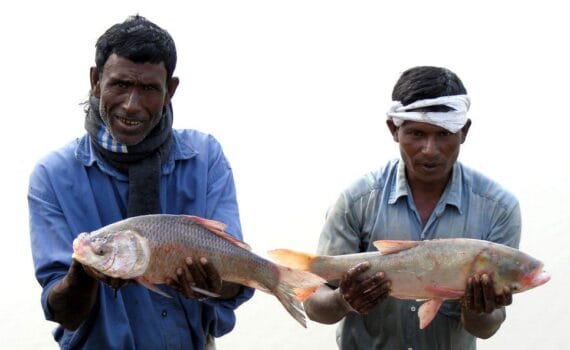
Michael J. MacLeod, Mohammad R. Hasan, David H. F. Robb & Mohammad Mamun‑Ur‑Rashid* This study developed by a international group of academics and researchers based on the UK, Italy and Bangladesh quantifies the global GHG emissions from aquaculture (excluding the farming of aquatic plants), with a focus on using modern, […]