

By: Sarah Cornelisse* What would you consider as a crisis for your business? Mislabeled product? A product recall? An employee injury? Death of an employee or customer? A claim regarding health or nutrition lacking scientific backing? A crisis can take many forms. When it comes to crisis management, social media […]
Articles
354 posts
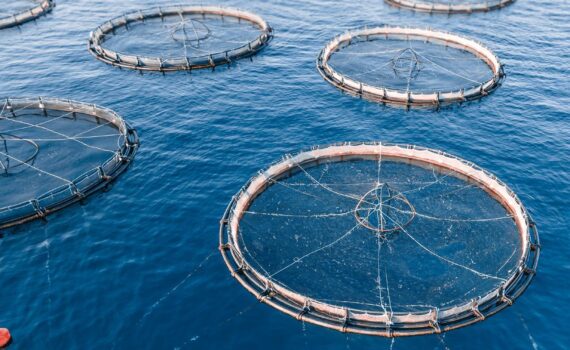
By: Antonio Garza de Yta, Ph.D.* In the last edition, we discussed the three key issues for the development of open water aquaculture: technology, investment and operating costs, as well as the market. Today, we will discuss some factors to consider and/or strategies we can adopt to boost mariculture globally. […]

By: Aquaculture Magazine Editorial Team* In intensive shrimp culture, oxygen consumption of shrimp is an important indicator that greatly affects the physiological condition of shrimp as a reared organism. Here the results of a research that aimed to dynamically determine the oxygen consumption of shrimp in intensive culture as well […]

By: Aquaculture Magazine Editorial Team* The importance of the size of white leg shrimp has been previously reported, where a strong correlation was found between size and metabolome data. Here we present a metabolomics approach to elucidate the importance of count size in commercial penaeid shrimps: white leg shrimp (Litopenaeus […]
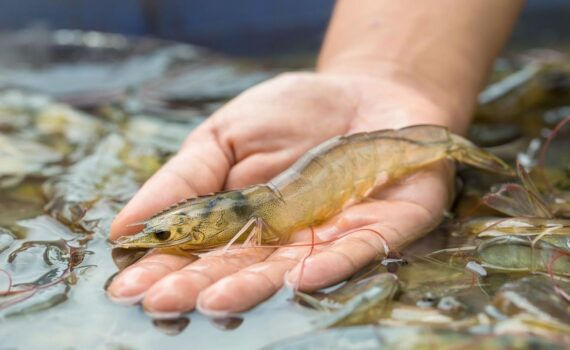
By: Aquaculture Magazine Editorial Team Replacing fish meal in the feeds using various conventional and non-conventional protein sources has been the core subject of several studies. In this context, growth and digestibility trials were undertaken to evaluate a single cell protein (SCP) produced from methane-oxidizing bacteria Methylococcus capsulatus (String Bio, […]

Rendering is essential in producing sustainable animal feed ingredients and pet food as well as many nonfood products consumers use every day playing a vital role in environmental sustainability worldwide. This article highlights show Rendering is highly sustainable; “Rendering is Recycling/Upcycling” and supports the three pillars of sustainability: Environmental, Social, […]

By: Salvador Meza* The transition demands substantial investment, a steep learning curve, and conscious decisions in mitigating environmental impacts. As salmon farming moves from the open sea and into land-based systems, it’s worth noting there are several complexities. Today we’ll discuss the primary challenges that this shift brings. Conservationists, seafood […]

By: Josh Rosettani, Marcia Chiasson and Wael Ahmed* One method through which fish farmers can reduce power consumption while improving water quality is replacing conventional technologies used for maintaining water quality with more energy efficient devices such as airlift pumps. This article presents the results of the evaluation of the […]

The escalating intricacy of the aquaculture sector is a subject of noteworthy concern, with a notable emphasis on the observation that the majority of innovations are initiated by suppliers rather than the aquaculture producers themselves. The world aquaculture sector has experienced significant growth in recent decades, with a global production […]
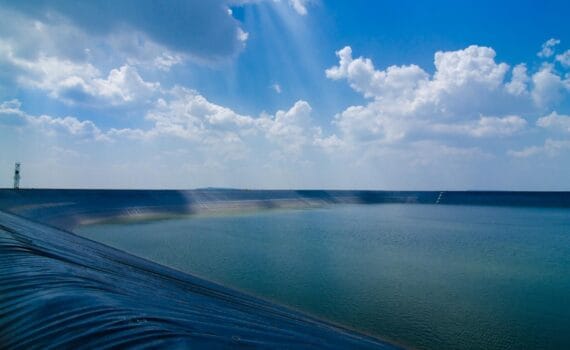
Plastic lining ponds provide better management and healthier environmental conditions. Sulphur cycling bacteria can serve as an indicator of pond environmental conditions. Introduction In aquaculture systems, water quality is largely controlled by microbial biodegradation of organic wastes (Avnimelech et al., 1995; Abraham et al., 2004) through mineralization. In aquatic environments, […]