

The National Inland Fisheries Technology Center (NIFTC) of the Philippine Department of Agriculture Bureau of Fisheries and Aquatic Resources (DA-BFAR) is strengthening its advocacy for the revitalization of indigenous freshwater species to increase local production in the fisheries sector through aquaculture. As a result of holistic, innovative and data-driven research […]
Aquaculture Magazine Editorial Team
1099 posts

In a world’s first Rare Earth Global, a UK producer of hemp crops is taking its first steps into the aquaculture sector that could see the alternative plant-based protein source used as a key ingredient for Atlantic salmon feeds. The company, growers of industrial hemp for a range of sustainable […]

The Shrimpbox, created by the privately held corporation Atarraya, is described as an intelligent, automated shrimp farm that is disconnected from the oceans, and located close to the consumer. Atarraya has raised a USD 3.9 million Series A round led by Jeffrey Horing and other angel investors, including Mark Gormley, […]
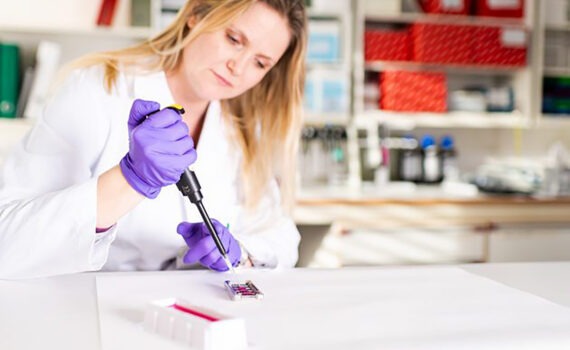
Scientists of the Norwegian company Nofima have developed a health test for smolt that can provide information that fish farmers will benefit from when transferring salmon to the sea. The results can help increase the smolts’ chances of survival. Every year, approximately 15% of farmed salmon die after being transferred […]

This week, thousands of seafood professionals from around the world and across Asia have reconnected in-person at the 10th edition of Seafood Expo Asia, the Seafood Marketplace for Asia. The event, organized by Diversified Communications, started on 14 September and took place until 16 at Suntec Singapore Convention & Exhibition […]

The Israelis companies Kibbutz Yotvata and Brevel have signed a Memorandum of Understanding (MOU) to build the ‘largest microalgae fermentation reactors of their kind’. The facility will be home to the largest fermentation reactors of their kind, said the companies, with the capacity to produce 900,000 liters per year, and […]

The annual General Assembly (GA) of the European Aquaculture Advisory Council (AAC) took a few days ago and at this occasion, its members chose Brian Thomsen as Chair for the next three years to come. Thomsen has represented the Danish Aquaculture Organization in the AAC since the creation of this […]

UAE-based Dibba Bay Oysters has achieved Friend of the Sea aquaculture certification, becoming the only certified aquaculture farm in the region. “Our sustainable policies, waste management standards and social responsibilities have earned us the Friend of the Sea Sustainable Aquaculture certification,” they announced. “The Friend of the Sea certification covers […]

SalMar and Bluegreen have signed a contract to take over the development permits and build in Norway the first Marine Donut, an idea that came in 2015 but is materializing now. This doughnut-shaped fish farm will become the world’s largest construction in thermoplastics. In the site of Bluegreen in Telemark, […]

Ridley, Australia’s largest commercial provider of high-performance animal nutrition and Australian Prawn Farms, Ilbilbie, Queensland, made a commercial-scale trial showing a new diet with lower levels of protein can produce the same sized prawns with less impact on the environment, achieving its advance in sustainable production. In the trial, prawns […]