
By Stephen G. Newman, Ph.D.* | Column for Aquaculture Magazine
Too many tools offered to shrimp and fish farmers are marketed backwards: the sale comes first and the evidence is fitted afterwards. Stephen G. Newman argues that products tested with proper controls, replication and real-world conditions before they are sold offer farmers greater, more consistent value.
Why the scientific method matters for aquaculture tools
As I approach a half century of working with the global aquaculture community, I continue to see some things that just never seem to change. Much of my recent work has been with the international shrimp farming community hence the focus of this article, although many of the observations also apply to fish. As a scientist I value the scientific method and understand that when used in the prescribed time-honored manner outlined in Figure 1 below it can have a significant beneficial impact. Following these steps is ultimately the best way to ensure that tools are evaluated using reproducible methods and that the results are consistent and demonstrate long-term economic value. Furthermore, this approach helps ensure that end users are not being used as guinea pigs but are instead offered mature, properly evaluated products that are ready for use.
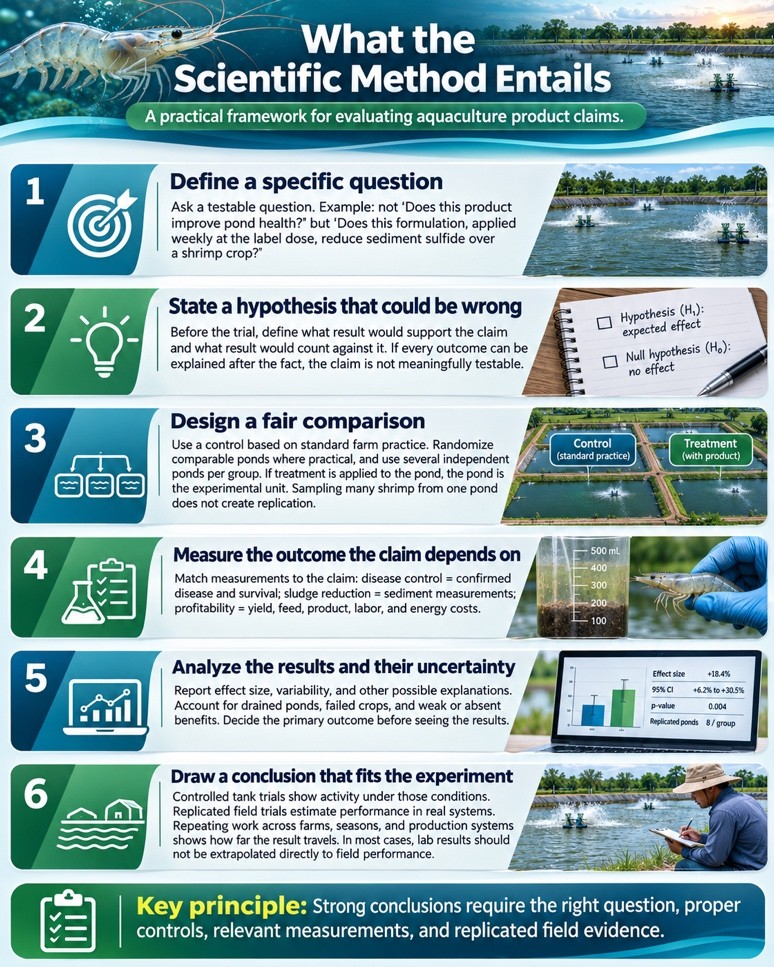
Figure 1. The scientific method explained. Click to enlarge. Source: Stephen G. Newman, Ph.D.
Most of us at some time or another in our education have been introduced to these concepts. The process is consistent and moves from a testable hypothesis to conclusions that a product or whatever else is being evaluated actually does what it claims to do. It ensures the end user that the product(s) have been tested in a manner that conforms with what is the universally accepted approach for verifying efficacy. The summary statement, the key principle, summarizes what is needed to ensure this. There must be proper controls to compare protocols with tests where no protocols are employed. Comparing different approaches is essential for knowing that the results are reproducible.
Science tests ideas; pseudoscience starts with the sale
Unfortunately, far too often tools that are being offered to aquaculturists are not science based. Figure 2 explains the difference between a science-based approach towards marketing and a pseudoscience-based approach. Science-based marketing tests ideas and follows the evidence. Pseudoscience starts with the sale and works backwards.
Science-based marketing tests ideas and follows the evidence. Pseudoscience starts with the sale and works backwards.
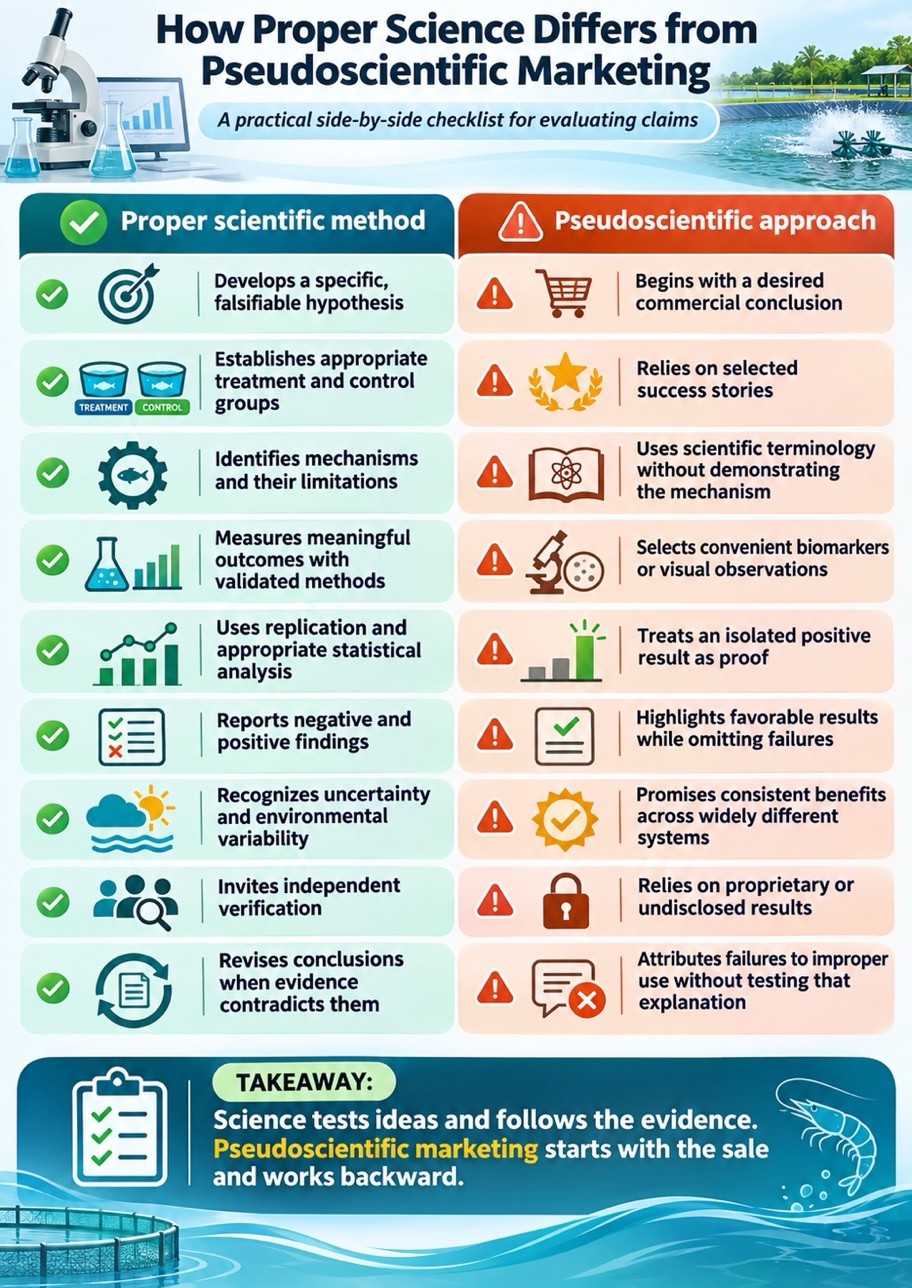
Figure 2. Science versus pseudoscience. Click to enlarge. Source: Stephen G. Newman, Ph.D.
Real results used to sell outcomes that were never measured
Perhaps the most consequential aspect of the widespread use of pseudoscience in aquaculture is the use of real scientific results to sell an outcome that was never properly measured. There are many examples of this with significant literature to support them. To be clear I am in no way claiming that the use of pseudoscientific approaches will invariably result in a product that does not work. There are and will be instances where a tool promoted through pseudoscientific approaches may nevertheless prove useful. However, in my opinion, the end user would be far better off, in most instances, using a tool where the science has been put first. There are ways to approach the development and use of tools for aquaculture that ensure that products will work under real world conditions. The scientific method is a powerful tool that when used consistently and appropriately will result in products that have demonstrable, reproducible and cost-effective benefits.
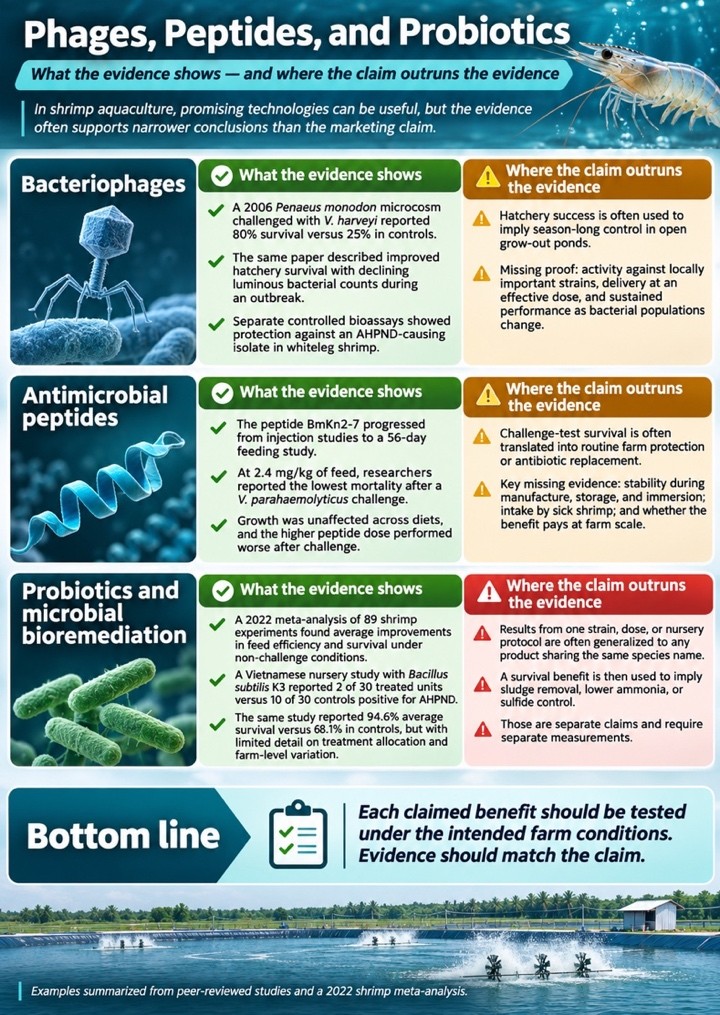
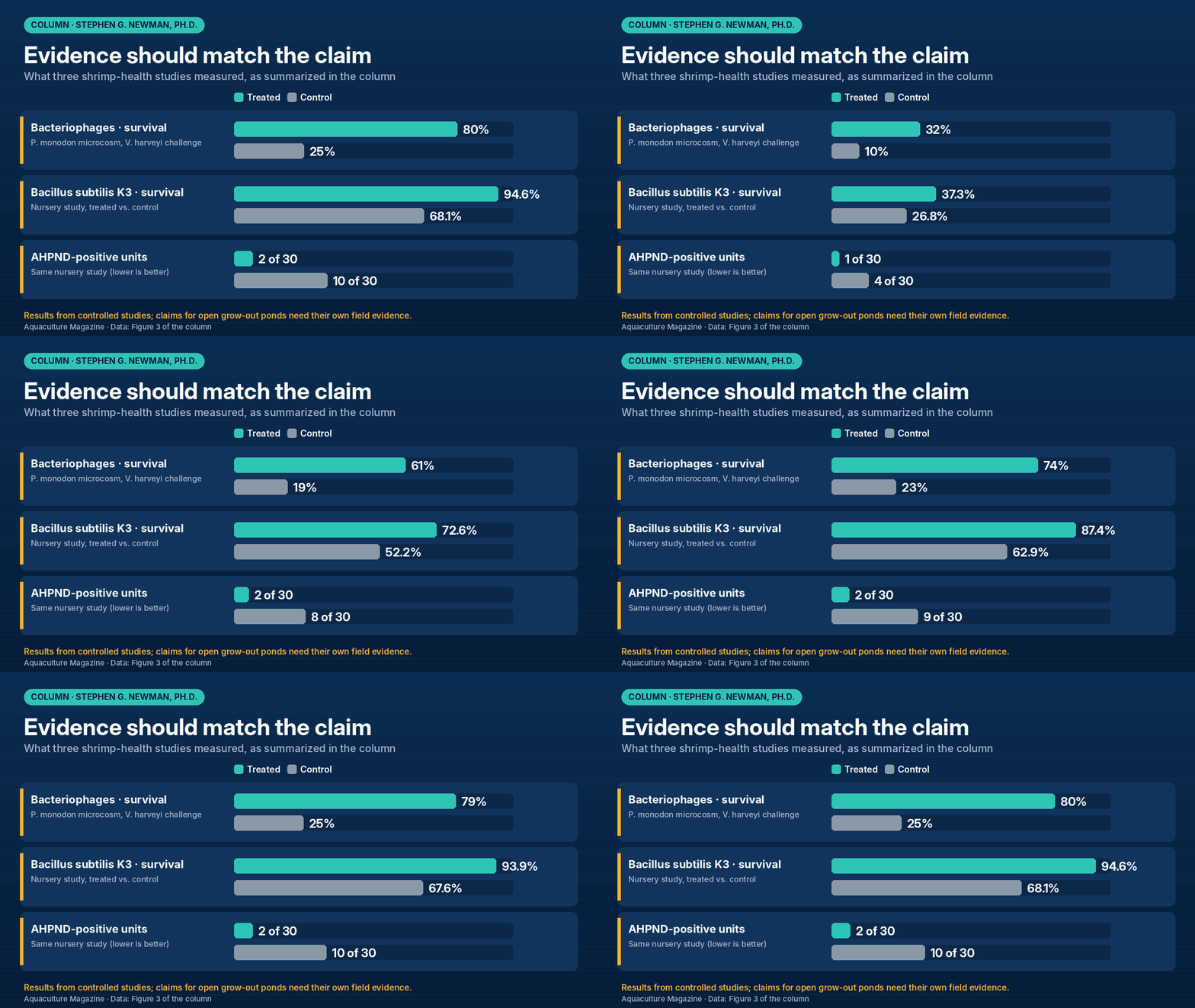
Figure 3. Comparison of evidence versus claims. Examples summarized from peer-reviewed studies and a 2022 shrimp meta-analysis. Click to enlarge. Source: Stephen G. Newman, Ph.D.
Figure 3 above outlines this using three examples. Each product must be tested under conditions that allow one to make accurate claims. The vast majority of studies of this nature start in controlled small-scale lab (note that this is not referring to the hatchery which some Spanish speakers might assume) studies. Far too often these are not readily transferable to the field. The literature is full of examples of this as well. Indeed, some have speculated that a great deal of older literature that did not employ analytical approaches that are common today is outdated and, in many instances, simply not accurate and at best misleading and at worst has the potential for harm. There are a few consistent reasons for this. Focusing on the example above, there is solid data to support these approaches under some conditions. The figure contrasts what the evidence shows and where these claims are not consistent with the evidence. Individual examples are summarized for bacterial viruses (phages), the use of small proteins (peptides) and microbes that are used for bioremediation and for overall positive health impacts (probiotics). It is not simply a matter of testing materials under a given set of conditions. They must be tested under real world conditions with sufficient replicates and the inherent variability which is more or less a consistent facet of shrimp and fish farming. Different production paradigms can yield dramatically different results.
How marketing makes weak evidence look stronger
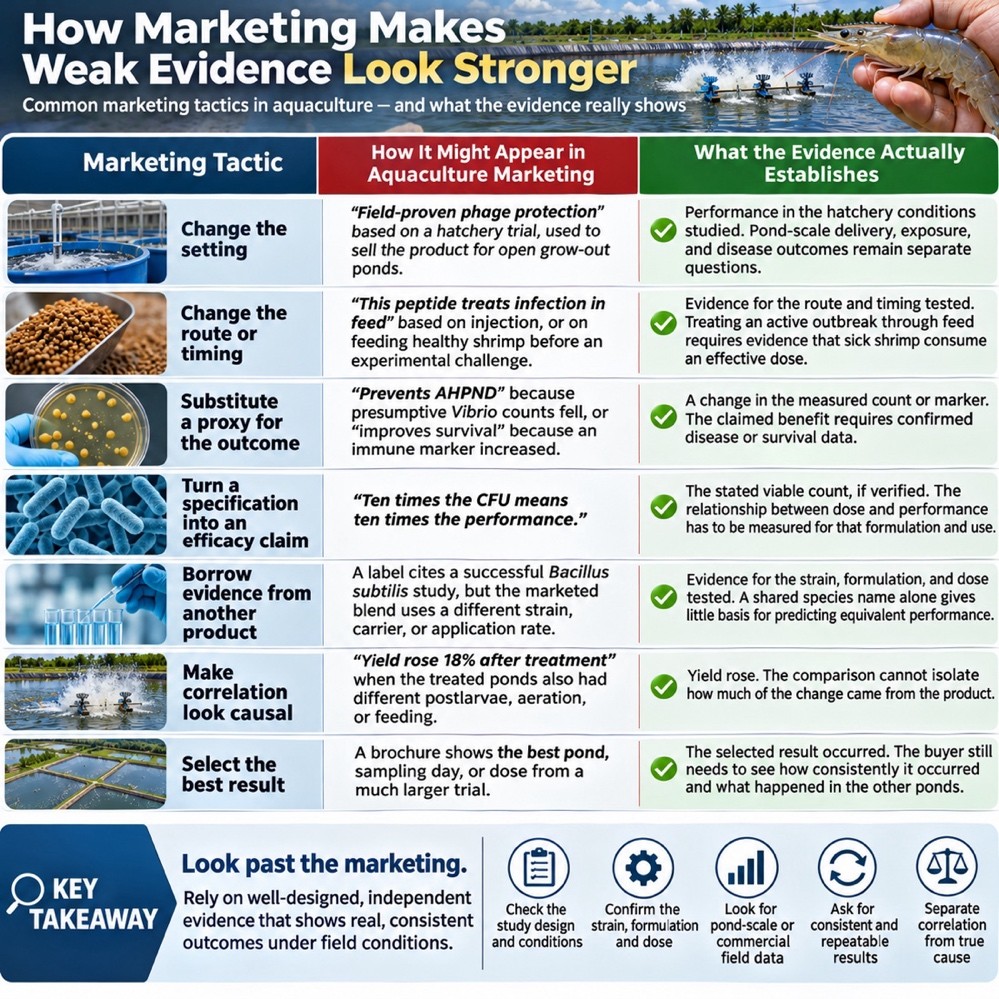
Figure 4. How marketing claims can make weak evidence for efficacy appear better than real world applications demonstrate. Click to enlarge. Source: Stephen G. Newman, Ph.D.
Marketing products that have not been through a rigorous science-based evaluation process can make it appear that a product, that when used under real world conditions, may not offer the best possible benefit from its use although it appears to provide a benefit. Figure 4 explains how without strong evidence of consistent efficacy it can appear that a pseudo-scientifically marketed product will perform in the same manner as products that have been tested using well established scientific principles prior to being marketed. Users should inquire about the availability of well-designed, preferably third-party (i.e., independent), evidence of real-world outcomes.
Three ways a farm loses money with unproven tools
Some would argue that the negative impact to the farmer is not of consequence. Figure 5 outlines three different ways that a farm can lose money when a tool does not work in a proven consistent manner.
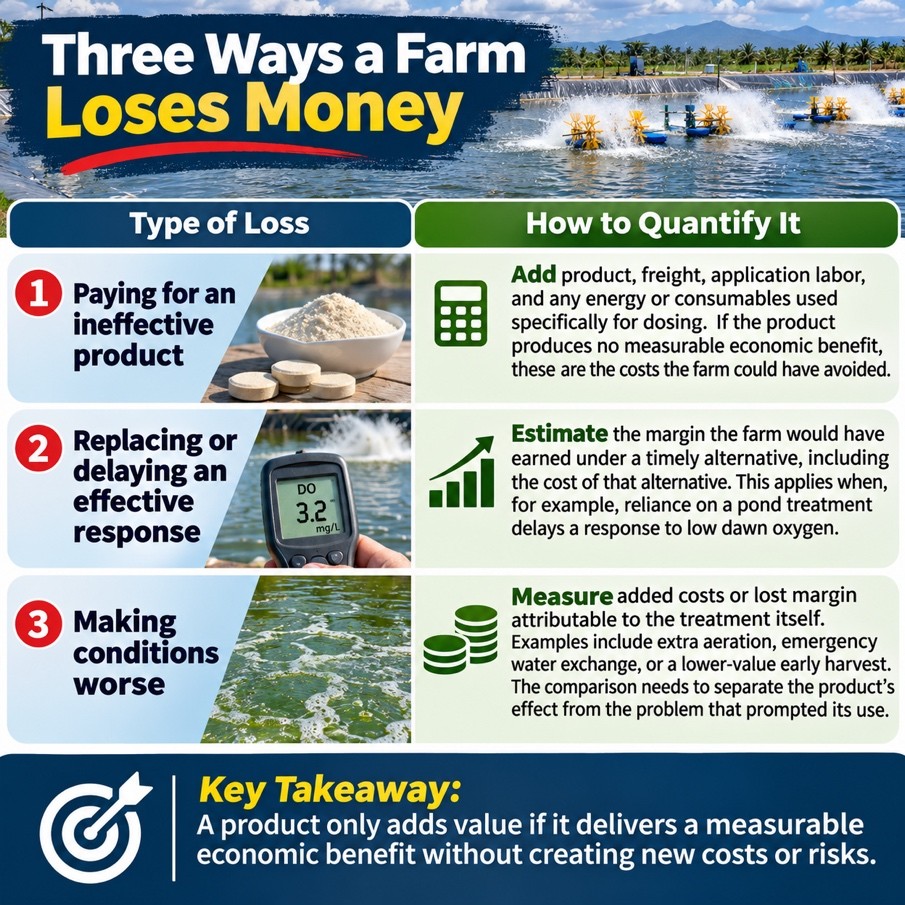
Figure 5. How the use of inadequately vetted tools can result in economic damage. Click to enlarge. Source: Stephen G. Newman, Ph.D.
Why more microbial products is not necessarily better
One of the negative impacts is that the farmer is paying for a product that is not cost effective or that produces no economic benefit. This is made more complicated with the use of microbial products as farmers often think that more is better. This is typically either using multiple products with different compositions at the same time or believing that higher microbial loads (more frequent applications or the use of higher titer products) makes the process work better. All bacteria produce compounds that allow them to compete against other bacteria. These are what antibiotics are. Many of these are protein (antimicrobial peptides or AMPs) in nature and their production is typically highly variable between individual strains of a given species.
Taxonomically the species is the end of the categorization framework. However, there can be many metabolic variations within the many individual strains that can make up a species. When multiple products are used together without first ensuring that the individual species and strains are not competing against each other there is a significant potential that inhibition can occur. This is natural and ubiquitous. While some blends may be synergistic with others it is more likely that this is not the case. Do not use multiple products at the same time unless compatibility under controlled conditions, at the very least, (as in a lab environment) has been demonstrated. Many bacteria form complex structural assemblages known as biofilms that impact what enzymes and inhibition factors they might produce. In the absence of these structures, they may display different metabolic activities which can impact efficacy.
Do not use multiple products at the same time unless compatibility under controlled conditions, at the very least, has been demonstrated.
What works in a hatchery may not work in a pond
When it comes to adding bacteria to ponds care must be taken not to automatically extrapolate that what works in a smaller volume of water will work in a larger volume. The best example of this is that impacts in a hatchery environment are not necessarily going to be the same as in a much larger pond environment. These production environments are typically colonized by complex mixtures of microorganisms including viruses such as bacteriophages, many different types of bacteria and the protozoa that feed on them. These make up the microbiome. Changing this in a persistent long-term manner does not appear to be for the most part readily achievable. Short term changes can result in desired outcomes, such as reductions in the amount of accumulated organic matter. However, the ecosystem reverts to the steady state, i.e. where it was before the addition. The changes that occur are not necessarily consistent, and one must consider that the microbiome is not just the external environment of the animal but the internal environment as well. This is where true probiotics may have their niche. By this I mean microbial additives that alter the microbiome in the animal in a manner that provides an economic benefit.
What it means for shrimp and fish farm managers
- Before buying, ask for well-designed, preferably independent evidence of real-world outcomes, with controls and replicated ponds.
- Check that the evidence matches the claim: hatchery or lab results do not by themselves establish performance in grow-out ponds.
- Do not combine microbial products unless their compatibility has been shown under controlled conditions.
- Quantify what a product costs you, including delayed responses and worsened conditions, not only its purchase price.
Summary prepared by Aquaculture Magazine from the author’s column.
Frequently asked questions
What is pseudoscience in aquaculture marketing?
According to Newman, it is an approach that starts with the sale and works backwards, often using real scientific results to sell an outcome that was never properly measured. Science-based marketing, by contrast, tests ideas and follows the evidence.
Does a product marketed with pseudoscience never work?
No. The column states that some tools promoted this way may prove useful, but that in most instances the farmer is better off with a tool whose science was put first, with demonstrable, reproducible and cost-effective benefits.
What does the evidence show for phages and probiotics in shrimp?
Figure 3 of the column cites a phage microcosm study with 80% survival versus 25% in controls, and a Bacillus subtilis K3 nursery study with 94.6% versus 68.1% survival and 2 of 30 treated units versus 10 of 30 controls positive for AHPND. Results from one setting should not be generalized to open grow-out ponds.
Should farmers combine several microbial products?
The author advises against using multiple products at the same time unless compatibility has been demonstrated under controlled conditions, because bacterial strains produce compounds, such as antimicrobial peptides, that can inhibit one another.
How can an unproven tool cost a farm money?
Figure 5 identifies three ways: paying for an ineffective product, replacing or delaying an effective response such as to low dawn oxygen, and making conditions worse, for example through extra aeration, emergency water exchange or an early harvest.
In summary
In summary, there are two primary approaches that are used to evaluate the ability of tools used in aquaculture to positively impact the bottom line. These are the incremental approach that science entails and the start from the end that pseudoscientific approaches entail. It has been my experience that science-based evaluation before products are marketed ultimately provides the potential for greater value. While pseudoscientific approaches can result in useful products, there are far too many examples of products being foisted on farmers that will never provide the consistency, i.e. reproducible with positive economic benefits, that science-based confirmation of product utility provides.
More from this column: Monitoring the Effectiveness of Probiotic/Bioremediator Usage in Aquaculture · Is There a Best Way to Use Microbial-Based Bioremediation Products in Aquaculture? · Critical Control Points (CCPs) in Biosecurity
About the figures: Figures 1 to 5 were prepared and provided by the author. The examples in Figure 3 are summarized from peer-reviewed studies and a 2022 shrimp meta-analysis, as stated in the figure. The headings, summary box and questions were added by Aquaculture Magazine from the author’s text.

* Stephen G. Newman has a bachelor’s degree from the University of Maryland in Conservation and Resource Management (ecology) and a Ph.D. from the University of Miami in Marine Microbiology. He has over 40 years of experience working within a range of topics and approaches on aquaculture such as water quality, animal health and biosecurity, with special focus on shrimp and salmonids. He founded Aquaintech in 1996 and continues to be CEO of this company to the present day. It is heavily focused on providing consulting services around the world on microbial technologies and biosecurity issues.
sgnewm@aqua-in-tech.com · www.aqua-in-tech.com · www.bioremediationaquaculture.com
Opinions expressed in this column are those of the author and do not necessarily reflect the views of Aquaculture Magazine. The author is President and CEO of Aquaintech Inc., which works with microbial technologies for aquaculture.