*By: Christos Palaiokostas, Department of Animal Breeding and Genetics, Swedish University of Agricultural Sciences, Uppsala, Sweden * The ability to predict disease resistance using genomic information in aquaculture species has attracted considerable research efforts. In the current study, various Machine Learning (ML) models were evaluated in terms of their efficiency in detecting disease-resistant animals through their genomic profile. Advancements in...
By: Linnea K. Andersen, Jason Abernathy, David L. Berlinsky, Greg Bolton, Matthew M. Booker, Russell J. Borski, Travis Brown, David Cerino, Michael Ciaramella, Robert W. Clark, Michael O. Frinsko, S. Adam Fuller, Steve Gabel, Bartholomew W. Green, Eric Herbst, Ronald G. Hodson, Michael Hopper, Linas W. Kenter, Frank Lopez, Andrew S. McGinty, Barry Nash, Matthew Parker, Stacey Pigg, Steve Rawles,...
By: David F . Willer, Samuel F urse & David C . Aldridge * The use of live algae is driving excessive and unsustainable energy and resource use in bivalve production. Since the 1990s, the bivalve aquaculture industry has been seeking non-live alternative feeds to reduce its need for antibiotics. FAO and EU sustainable aquaculture policies identify urgent and immediate...
By: Richard S. Cottrell, Marc Metian, Halley E. Froehlich, Julia L. Blanchard, Nis Sand Jacobsen, Peter B. McIntyre, Kirsty L. Nash, David R. Williams, Lex Bouwman, Jessica A. Gephart, Caitlin D. Kuempel, Daniel D. Moran, Max Troell and Benjamin S. Halpern * In this review article developed by a group of specialists from 19 Research Centers and universities located in 9...
By: Alberto Asiain, Natalie Cuellar, Vicente Camporredondo, Juan Reta, David Montaño, Diego Platas, Soledad Delgadillo * FISH AND SHRIMP FARMING PRODUCTIVITY BIOAQUA® P is a 100% natural phytogenic ingredient made by milling, pulverizing, and standardizing the stems of the Yucca schidigera plant. It is used as a feed ingredient to reduce ammonia levels in the water of production ponds. A study was conducted...
By: Alfred Sayila, Zambia Southern Africa Through the ministry of fisheries and livestock, the government in Zambia has crafted a policy that will guide the future development of aquaculture in the country. However, elections this upcoming August are likely to slow down the momentum to implement the Fisheries and Aquaculture Policy which is expected to resume once the polls are...
By: Halley E. Froehlich, Jessica Couture, Lynne Falconer, Gesche Krause, James A. Morris, Montse Perez, Grant D. Stentiford, Harri Vehvila¨inen, and Benjamin S. Halpern * This analysis developed by researchers at the University of California, the University of Stirling, NOAA, and collaborative agencies and institutes from Germany, Spain, the UK, Finland, and the USA reflects on the future of seafood...
By: Cristóbal Domínguez-Borbor, Aminael Sánchez-Rodríguez, Stanislaus Sonnenholzner, and Jenny Rodríguez * The purpose of this study was to identify specifically essential oils (EOs) that can interfere with the QS of known pathogenic vibrios in P. vannamei farming. Despite its significant growth, the shrimp farming industry has constantly been hit by viral and bacterial pathogens. Recently, the emergence of new strains...
The Center for Aquaculture Technologies (CAT), a leader in the field of genetic improvement for aquatic species, and NEOGEN Corporation today announced their formal collaboration to deliver high-quality genotyping services customized to the unique needs of aquaculture producers. The partnership will apply modern sequencing and genotyping technologies to aquaculture species, leveraging the complementary expertise of CAT and NEOGEN to enable...
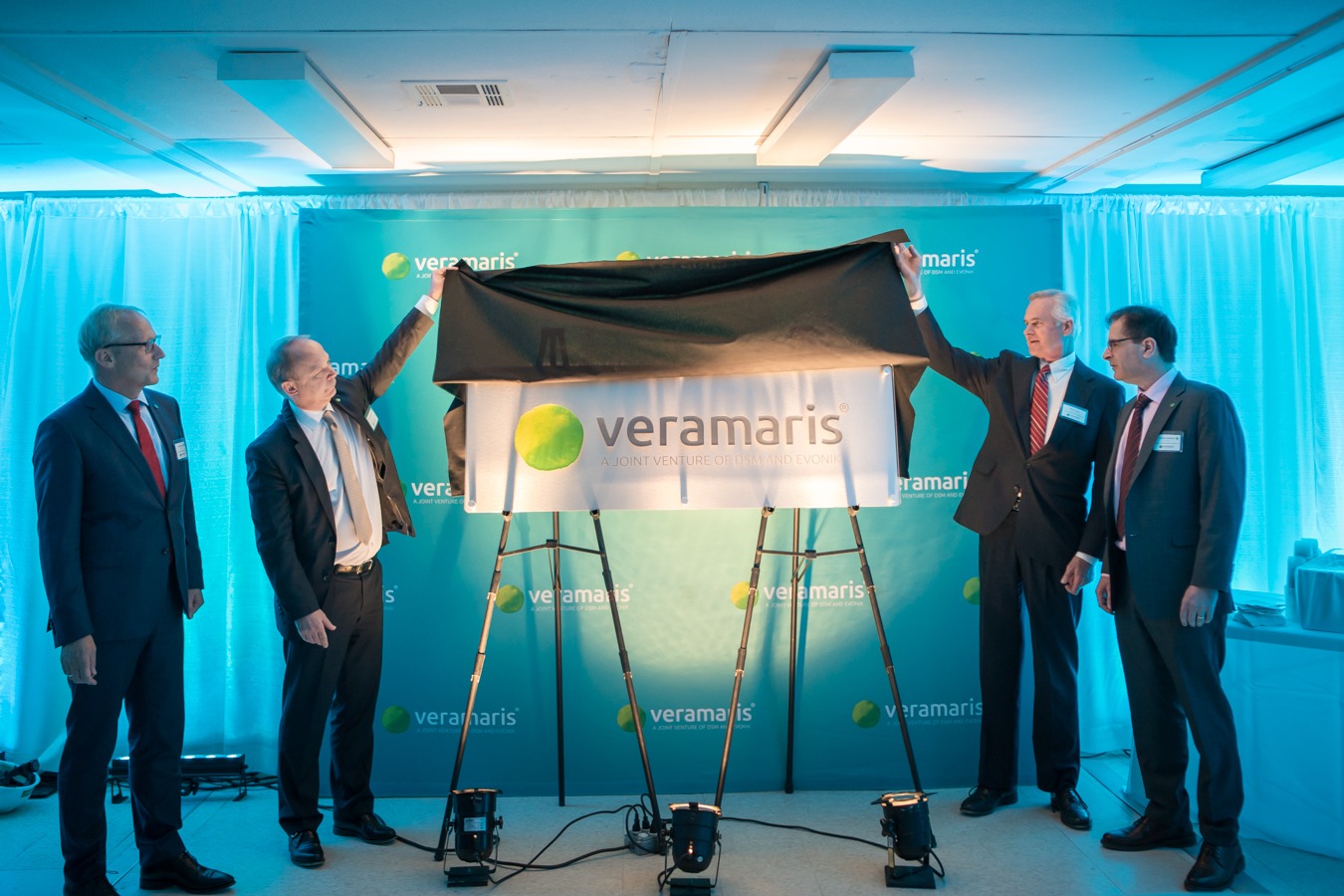
Veramaris, the ASC-MSC certified EPA & DHA Omega-3 algae oil producer, has netted former Seafood Connection operations lead Johan Brouwer to join its ever-growing Business Development team. Brouwer, who has spent the last eight years helping to grow the frozen fish specialist, will now focus his expertise and industry connections on growing the European retail and foodservice seafood markets for...
At its recent Board Meeting Dr. Antonio Garza de Yta, Secretary of Fisheries and Aquaculture of the Government of the State of Tamaulipas, Mexico was appointed the President of Aquaculture without Frontiers (AwF) commencing 1 July 2021. Information source: AwF / press release AwF is an international, non-profit organization whose goal is to alleviate poverty and improve the quality of...
On the back of today’s launch of the BioMar 2020 Sustainability Report, we announce our 2030 Ambitions. We make a promise, to our planet and its people with a set of ambitious targets that will seek to aid in the restoration of our environment while enabling humanity to thrive. Two key areas are focused on the reduced impact of aquaculture...