
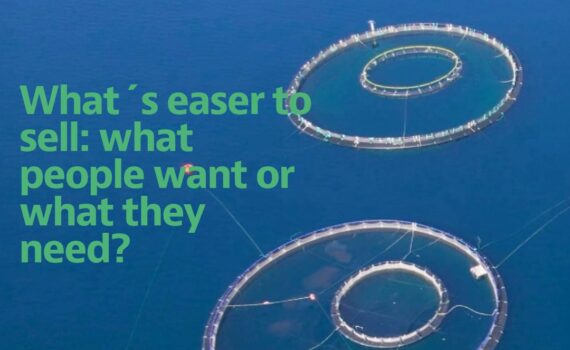
Wants vs. Needs: Where the Opportunity Lies In sales, the question is often asked: What’s easier to sell—what people want or what they need? The truth is, most people are not fully aware of what they need, but they are very clear about what they want. Article Marketing bridges this […]
Articles
354 posts
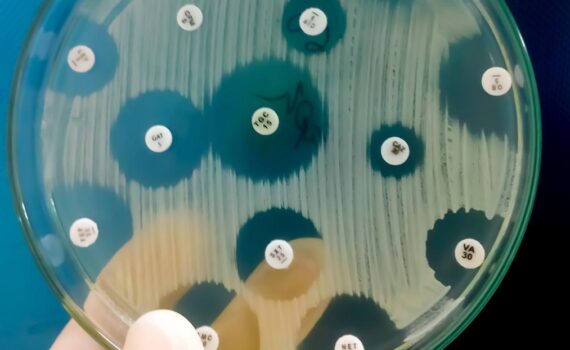
*By Kunal Samadhan Tayde, Nayan Chouhan, Manish Kumar and Bhavesh Choudhary Antimicrobials have significantly enhanced the health and well-being of animals; nevertheless, their effectiveness has been undermined by the evolution of antimicrobial resistance (AMR) in reaction to their use. The emergence of AMR in farmed fish is a significant concern […]
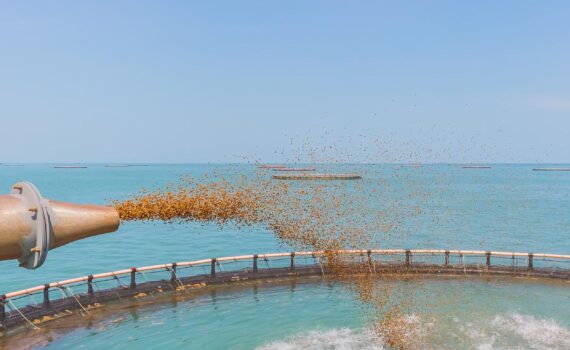
* By Aquaculture Magazine Editorial Team Excessive use of protein-rich fish feed in aquaculture ponds significantly drives methane (CH4) emissions, Mimicking biogas reactor conditions. This study reveals how anaerobic protein degradation produces nitrogen and sulfur rich compounds that fuel CH4 ebullition, with rates up to 155 times higher at feeding zones. […]
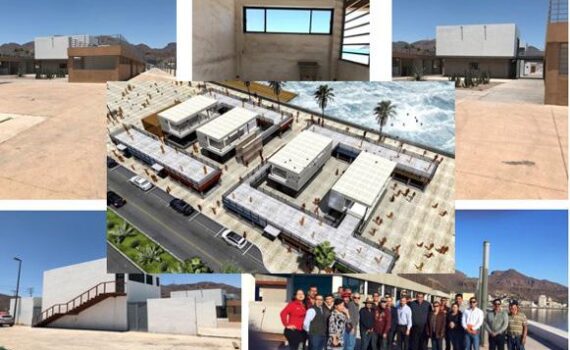
* By Alejandro Godoy Dr. Vaclav Smil, in his book How to Feed the World: The History of Food and Its Future, states that the food currently produced globally is sufficient to provide 3,000 calories per capita worldwide. He highlights that much of the issue does not rely in producing more […]
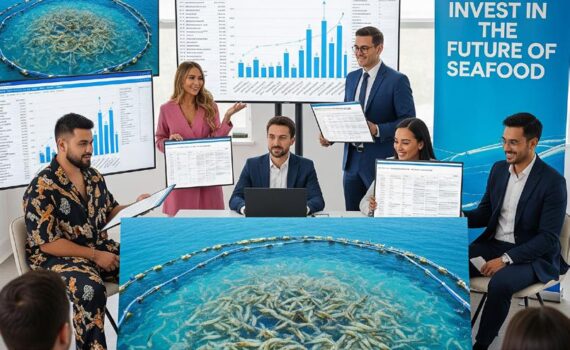
* By Antonio Garza de Yta, Ph.D. When a company or technology suddenly pops up everywhere and is hailed as the best, most innovative way to produce something that breaks all paradigms, it’s always good to proceed with caution. The combination of “influencers” and “excelsheeters” has raised hundreds of millions […]
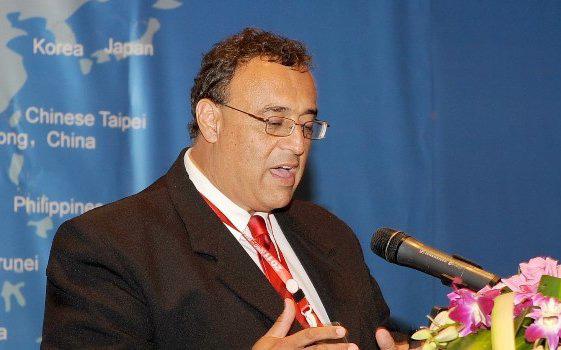
* By Antonio Garza de Yta I met Humberto Villarreal 24 years ago when I was a newly graduated master’s student in Aquaculture from Auburn University, and he was already an established scientist at the Northwest Biological Research Center (CIBNOR). Since that moment, our lives became intertwined not only professionally, […]

* By Salvador Meza Discover how ETEC is changing the rules of the game in the shrimp farming industry with exclusive technology, all-inclusive service, and a strong presence across Latin America. Salvador Meza: Eduardo, welcome. For those less familiar with ETEC, can you summarize the company’s global reach? Eduardo Del Castillo: […]

* By Fishlab In the changing landscape of aquaculture, the demand for sustainable and scientifically grounded practices has never been more pressing. The Danish company Fishlab is facilitating this evolution. Introduction In the changing landscape of aquaculture, the demand for sustainable and scientifically grounded practices has never been more pressing. Fishlab, […]

* By Aquaculture Magazine Editorial Team As India leads global shrimp production, innovative practices like high-density polyethylene (HDPE) ponds are reshaping aquaculture. This study compares water quality and plankton productivity in HDPE versus traditional earthen ponds in Ratnagiri, Maharashtra. Results reveal significant differences in key hydrobiological parameters suggesting that HDPE ponds […]

* By FishProf Sometimes in life you need to stop and think… We have all had those moments, a good idea has turned into a nightmare because we did not think through the whole process, we did not share with others who may be impacted by the idea, we did […]