

* By Harshit Singh, Shashank Singh, Arya Singh, Sumit Kumar and Anil Singh Nanotechnology revolutionizes aquaculture by improving nutritional efficiency, advancing targeted disease prevention through nano vaccine delivery, and supporting real-time aquatic environment monitoring. These innovations promote both productivity and sustainability, but they also require robust risk assessments and regulatory oversight […]
Articles
354 posts

By Sonia A. Soto-Rodríguez*, Bruno Gomez-Gil, Rodolfo Lozano-Olvera, Karla G. Aguilar-Rendon, Jean Pierre González-Gómez, Cristobal Chaidez Shrimp aquaculture faces persistent bacterial challenges, particularly AHPND caused by Vibrio parahaemolyticus harboring pirAB toxin genes. Traditional mitigation approaches offer inconsistent outcomes and raise sustainability concerns. Bacteriophage therapy, utilizing viruses that target and lyse […]
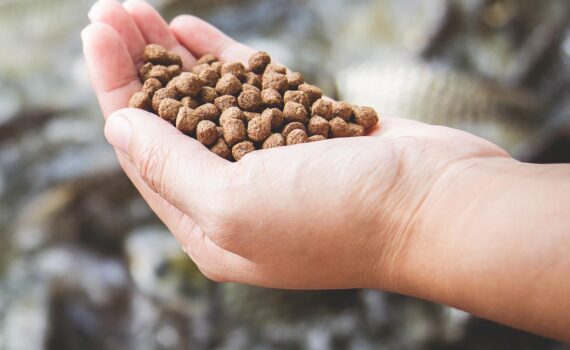
*By Aquaculture Magazine Editorial Team From fishmeal dependence to molecular nutrition, aquaculture has transformed over two decades, tripling production while cutting feed ratios. Today, the sector faces the challenge of sustainable growth: replacing scarce ingredients, reducing emissions, and harnessing biotechnology. The future lies in precision diets, innovative proteins, and AI-driven solutions […]

* By Sarah Cornelisse An engaging and effective online presence that includes a website and/or social media has become a vital component of the marketing strategy for the vast majority of aquaculture and agricultural businesses, especially those engaged in direct marketing. However, it is equally important to regularly audit your online […]

* By FishProf For years, sustainable seafood certification has been touted as a market-based solution, a shining beacon guiding shoppers, restaurants, and retailers towards a healthier ocean. But if sustainability is the goal, why did the entire edifice of certification collapse into irrelevance the moment politics took center stage and […]
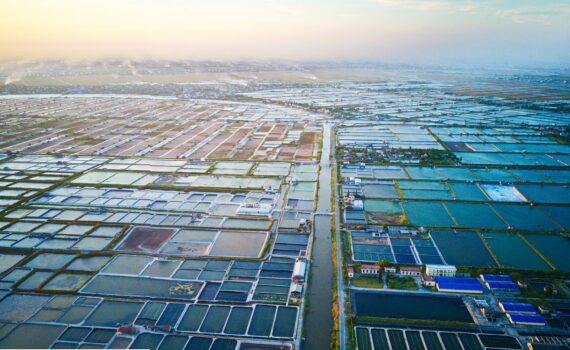
* By Stephen Newman, Ph.D. The term “probiotic” is applied to bacteria for a wide range of purposes, typically without adequate consideration of what rigorous scientific studies actually demonstrate about the specific effects and benefits of those microbes. I am of the opinion that purported mechanisms of action for this commonly […]
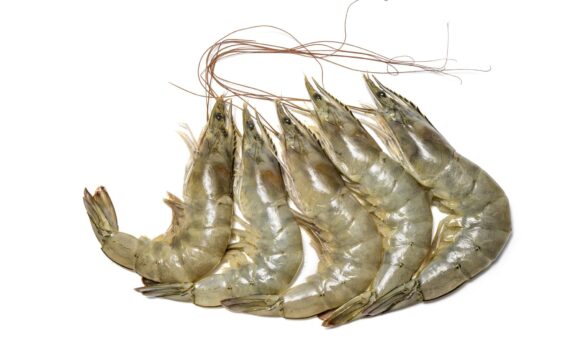
By Antonio Garza de Yta, Ph.D In all the years I’ve been writing this column, I had never received as much feedback as I did on the last edition. Truly, “influencers” “excelsheeters” are something aquaculture experts deal with every day. However, the comment that caught my attention most was from […]
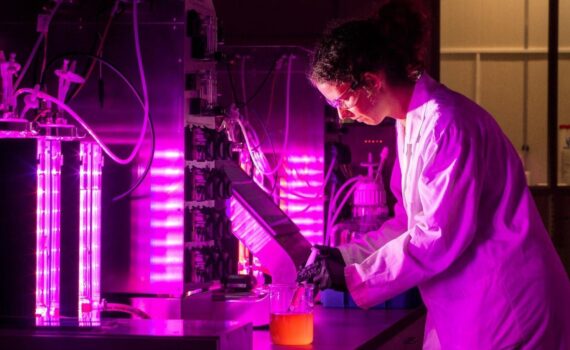
* By Dr. Johan Svenson Millions of people suffer from the devastating effects of opioid addiction, so finding alternative ways to manage pain is a global priority. It may seem unlikely, but a toxic microalgae — a former villain, now potential hero — could help reduce our reliance on opioids […]

* By Philip Buike Pakistan shares the same climatic conditions as the Gujarat region of India (an area with a booming shrimp industry), so it has the same low land and labor costs and also could certainly benefit from a boost in hard currency generating exports, shrimp farming would appear […]

* By Seafood Consumers Association The necessity for seafood-focused education tailored for women and children arises from the intricacies of nutritional needs, consumption habits, and health risks associated with seafood intake. Women, particularly during pregnancy and lactation, as well as young children, are vulnerable whose diets should be emphasized to ensure […]