

Precise feeding in the recirculating aquaculture mode is a critical problem. Accurate prediction of shrimp biomass could determine the appropriate feeding amount and ensure stable water quality. This review presents the development of an intelligent feeding technique in a recirculating aquaculture system for rearing Litopenaeus vannamei. Researchers have used machine […]
Articles
354 posts
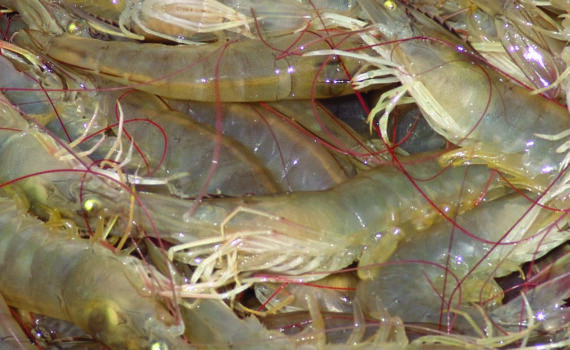
Artificial sea salt mixtures are required for shrimp inland production, which can be a substantial portion of the production costs. This article presents results that indicate that using the low-cost artificial sea salt (LCS) formulation reduces artificial sea salt cost significantly, up to 15%, while having no significant impacts on […]
In terms of dietary composition, protein is the single largest and most expensive component in fish feed. A feeding trial was conducted to determine the maximum substitution limits of poultry by-product meal protein for fish meal protein in the diet of juvenile Black Sea Bass Centropristis striata. Results showed poultry […]
As a global leader in aquaculture feed and animal nutrition, Cargill supports the production of seafood the world needs while minimizing its impact on the planet. And now is looking to do even more for sustainable aquaculture by focusing on farmers and working across the value chain to help the […]

In shrimp feeds, a protein source with an adequate balance of amino acids is required to provide good growth performance. Recent results showed that up to 25% of dietary protein replacement with protein hydrolysates from poultry by-product and swine liver, as an alternative dietary protein source for the Pacific white […]

Based on the question of how much food we can sustainably obtain from the sea by 2050, an analysis of the main food-producing sectors in the sea is presented: wild fisheries, finfish mariculture and bivalve mariculture. From this, encouraging curves emerge for sustainable supply, taking into account ecological, economic, regulatory, […]

The selected aerator for aquaculture operations must be economically efficient and should be able to fulfil the requirement of oxygen supply in the pond water. Here we present a study of economic feasibility of nine different types of aerators using life cycle costing (LCC) approach. The recommended option can be […]

In the first quarter of this year, FAO presented the biennial report “SOFIA 2022” with the analysis and relevant conclusions of the information collected in 2020. In this article, Aquaculture Magazine editors summarize the “key messages” the World Agency is sending with this report. In the first quarter of this […]

By: The fishmonger * At the time of authoring this article The Fishmonger has been reminded (thanks Facebook!) of being in London in 2013 at the Human Evolution Conference where Sir David Attenborough and Professor Michael Crawford and many other notables spoke about the past and future as it relates […]

By: Ph.D Stephen G. Newman* Recently I passed my 40-year mark working with the international aquaculture community. I have heavily focused on shrimp culture over 30 of these years as I have always had a soft spot for shrimp (eating them). The industry has changed considerably since I first became […]