
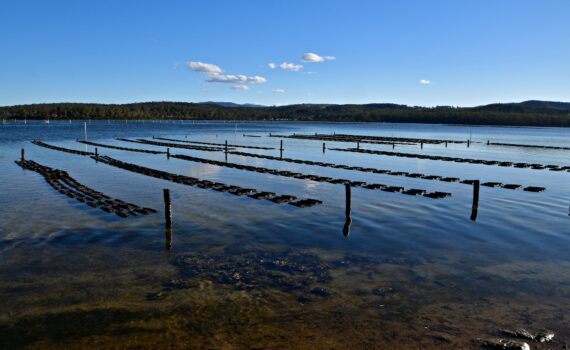
By Antonio Garza de Yta, Ph.D. Australia is the sixth largest country in the world, with an abundance of natural resources, suitable conditions for the development of species in temperate, semi-tropical and tropical waters; it also has a vast expanse of arid land that can be used for aquaculture, professionals, […]
Articles
354 posts

* By Seafood Consumer Association and FishProf The World Health Organization (WHO) regards illness due to contaminated food as one of the most widespread health problems in the contemporary world. The Seafood Consumer Association (SCA) agree with the 10 Golden Rules that will help all consumers eliminate them. For infants, […]

*By James Lowen How shrimp producers in Mexico and Central America are supporting migratory shorebirds in ways that may also help their own business. Some shrimp producers may find it hard to think of birds as friends. Many farms are visited by cormorants, which swim underwater to catch shrimp. Understandably, […]

By FishProf According to WorldFish study we learn of an extreme shift in dietary habits in India. This research investigated the dynamics of fish consumption in India from 2005 to 2021, using comprehensive, nationally representative surveys conducted by the Government of India. We are all aware that China is a […]

By Ph.D. Stephen Newman Aquaculture is the fastest growing global agribusiness. While this growth has been and will continue to be subject to volatility, the overall trend over the last three or more decades has been a consistent increase in farm reared seafood. The nature of the aquatic environment offers […]

By Ph.D. Stephen Newman Some countries deny that the strain of Vibrio parahaemolyticus (VP) that causes acute hepatopancreatic necrosis syndrome or disease (AHPNS or AHPND) is present in their stocks, further increasing the chances of its spread. It is likely that this will continue to be the case for highly […]

In the evolving landscape of aquaculture, the quest for more sustainable and efficient feed solutions is paramount. Empyreal® 75, a high-purity protein concentrate developed by Cargill® , stands at the forefront of this revolution. This innovative product not only offers a sustainable alternative to traditional fish meals but also enhances […]

Ph.D. Antonio Garza de Yta While all regions should consolidate their national and regional organizations, in the Gulf Cooperation Community (GCC), it is imperative to generate much more meaningful cooperation. This is crucial to generate both the critical mass and the ecosystem for this effort to crystallize. Is it time […]

*By Nayan Chouhan, Bhavesh Choudhary and Arya Singh Ensuring the well-being and efficiency of aquatic species is of utmost importance in the constantly changing field of aquaculture. In modern aquaculture, the prevailing method consists of incorporating probiotics into the diet. Introduction Ensuring the well-being and efficiency of aquatic species is […]

* By Sarah Cornelisse Even in this age of social media, email remains an important tool in business marketing strategy. Among the many advantages of preserving an email marketing strategy are maintaining ownership of the recipient list, direct connections to current and prospective customers, personalization, and audience segmentation. Constant Contact, […]