

By The Fishmonger The Fishmonger was appalled to read that fake meat products (also known as cell-cultivated meat products) were being trialed on school children through the various breakfast and lunch programs offered in the USA. Fortunately, the news of this incredibly shocking behavior has found its way to the […]
Articles
354 posts
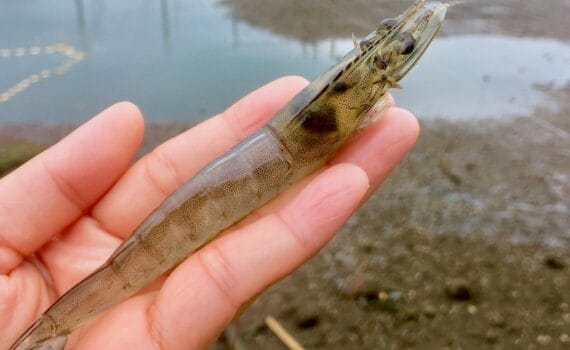
By Ph.D. Stephen Newman Some countries deny that the strain of Vibrio parahaemolyticus (VP) that causes acute hepatopancreatic necrosis syndrome or disease (AHPNS or AHPND) is present in their stocks, further increasing the chances of spreading it. More than likely this perspective will persist with highly lethal vibrio disease (HLVD/GPD/TPD). […]
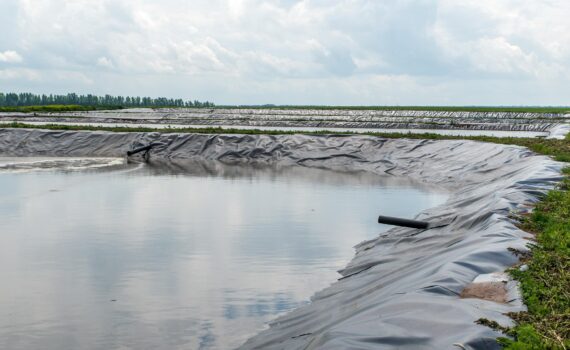
Aquaculture Magazine Editorial Team Explore the cutting-edge solutions from Reef Industries that are transforming aquaculture. Learn how their hatchery liners, tank liners, and greenhouse covers are pioneering a sustainable future in our detailed article. The aquaculture industry, a pivotal component of global food security, faces a myriad of challenges as […]

By Sarah Cornelisse As social media sites and their algorithms have become more complex, advertising on social media platforms has increased in importance to businesses’ social strategies. At the same time, the general population of social media users has also become more sophisticated in their understanding of and receptiveness to […]

By Antonio Garza de Yta, Ph.D. Sensors and automatic feeders are just the beginning of the technological revolution we will see in aquaculture in the coming years, which we could call Aquaculture 4.0. Firstly, I would like to wish all readers of this magazine a successful and dream-filled 2024, filled […]

By Aquaculture Magazine Editorial Team Exploring Sustainable Seafood Futures: A Comprehensive Interview with Drue Banta Winters, Campaign Manager of “Stronger America Through Seafood” – Insights from Aquaculture America 2024. The coalition’s key focus is offshore aquaculture due to its potential for rapid growth, minimal environmental impact, and significant contribution to […]

By Nayan Chouhan and Bhavesh Choudhary The application of probiotics in aquaculture not only holds the potential to reduce disease occurrence but also offers several other benefits. Probiotics can help maintain a balanced microbial community in aquaculture ponds or tanks, promoting better water quality and nutrient recycling. Moreover, they may […]

By Salvador Meza For the past five decades, Aquaculture Magazine has been more than just a publication; it’s been the cornerstone of communication and progress in the commercial aquaculture sector. In an era when the digital landscape we take for granted today was unimaginable, this magazine emerged as the pivotal […]

By Aquaculture Magazine Editorial Team In the quest for sustainable and efficient shrimp farming, the industry faces numerous challenges, from environmental sustainability to the health and growth of shrimp. Enter MOTIVTM, a proprietary fermentation product by Cargill® designed to address these issues head-on. This article delves into how MOTIVTM is […]

By INVE Aquaculture The cost-efficient production of live food such as Artemia and rotifers remains one of the crucial success factors for fish and shrimp hatcheries worldwide. This is why a growing number of hatcheries rely on the latest technologies to streamline their live food management. By moving away from […]