


* By Aquaculture Magazine Editorial Team
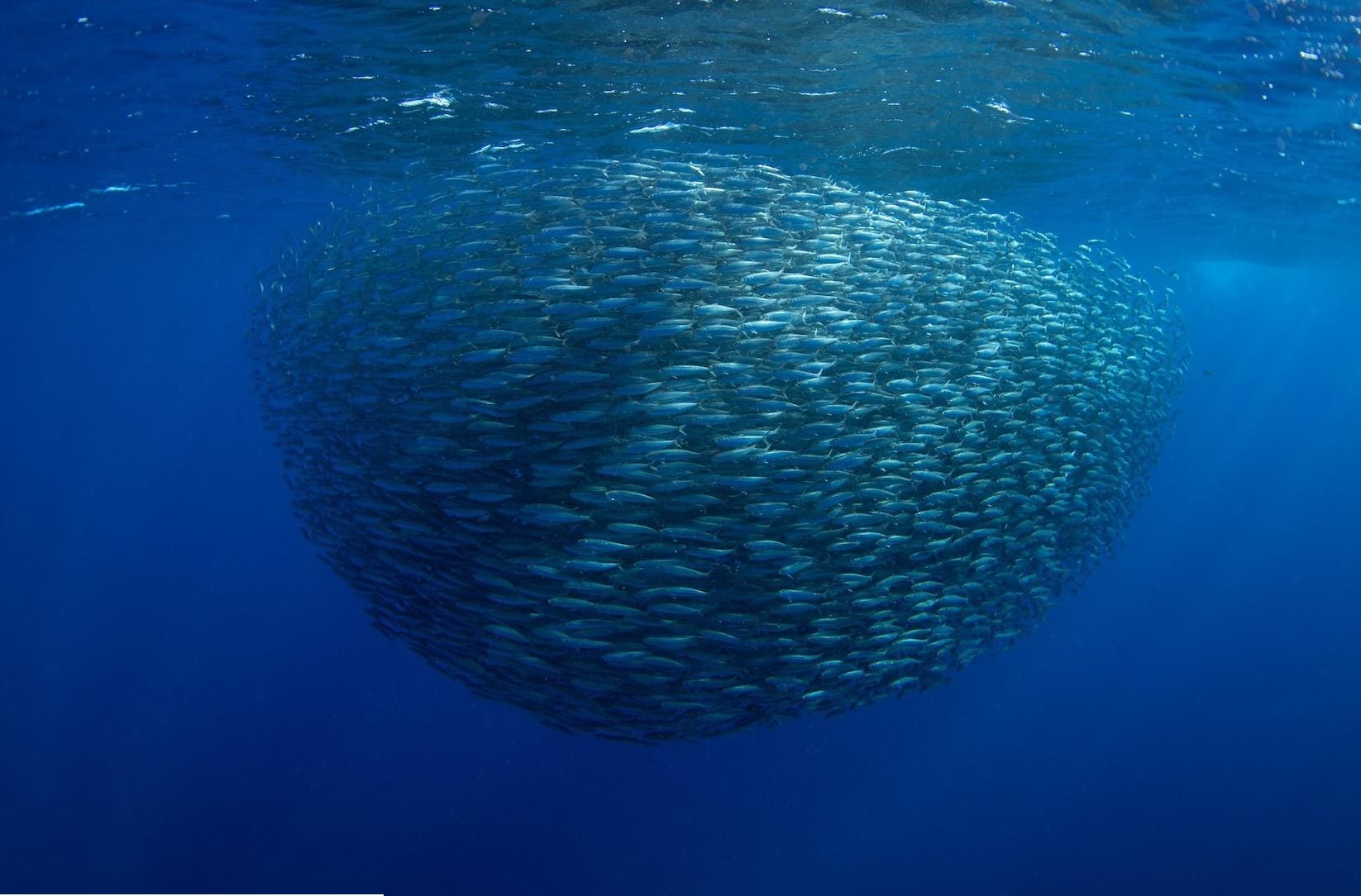
Record-low catch quotas, extended fishing bans, and fishmeal prices at historic highs are reshaping production cost structures for aquafeed manufacturers in Ecuador, Chile, and beyond — while rendered animal by-products and Antarctic krill emerge as strategic substitutes.
The 2026 Fishing Season: Context and Key Figures
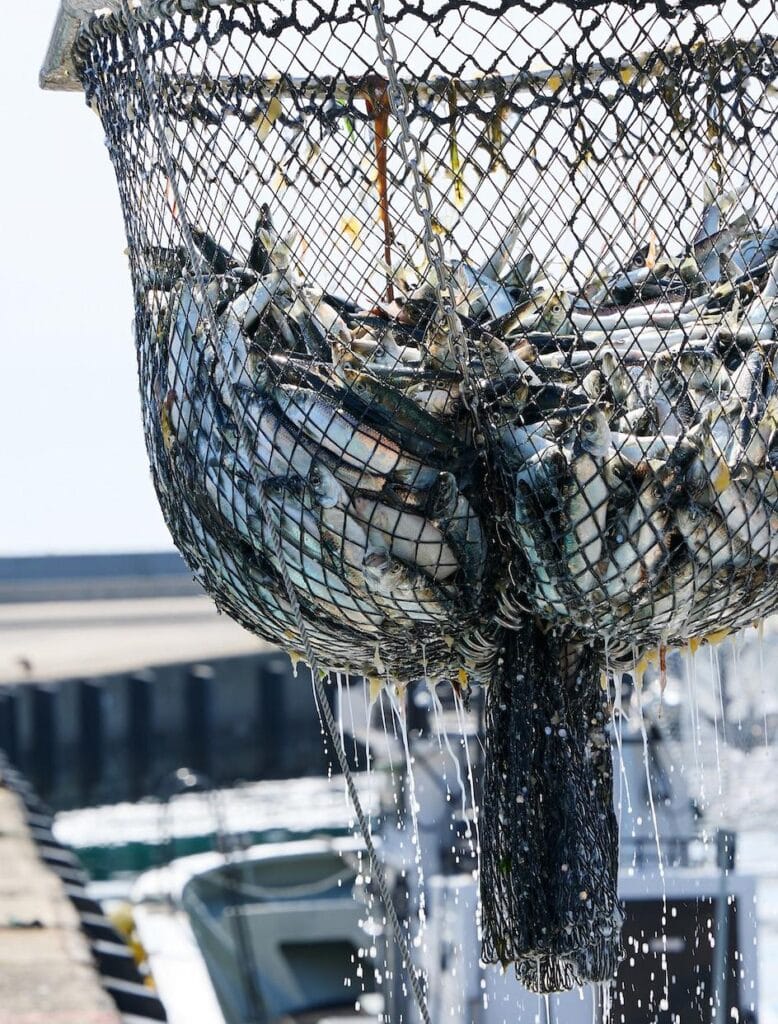
On April 1, 2026, Peru’s Ministry off Production (PRODUCE) authorized the commencement of the first anchovy fishing season in the North-Central coastal zone, setting a maximum catch limit of 1,914,049 metric tons (mt) — a 36.2% decline relative to the 3.0 million mt authorized for the equivalent 2025 season, and the lowest TAC recorded in a decade, with the sole exception of 2023, when the season was cancelled in its entirety due to adverse environmental conditions.
The quota is consistent with stock assessment recommendations issued by the Instituto del Mar del Perú (IMARPE), reflecting reduced biomass availability and heightened concerns over juvenile cohort protection.
The season’s trajectory deteriorated further through May. On May 12, 2026, PRODUCE issued Directorial Resolution No. 00052-2026-PRODUCE/DGSFSPA, imposing a 15-day fishing suspension across the maritime zone between 6° and 14° South latitude within the first 30 nautical miles, after IMARPE detected juvenile fish incidence exceeding 50% in active fishing gear (‘enmallamiento’).
By May 27, with only an estimated 451,000 mt harvested — equivalent to 23.6% of the total authorized quota — the suspension was extended by a further 15 days, until June 10, 2026, accumulating 30 consecutive days of operational stop-page. IMARPE attributed the extension to advancing warm-water intrusions driven by the Coastal El Niño (FEN), which are reducing coastal upwelling, deepening anchovy distribution, and increasing vulnerability of juvenile populations to incidental capture.
With 30 consecutive days of fishing suspension and only 23.G% of the TAC harvested, Peru’s 202G anchovy season represents the most operationally constrained campaign in a decade — and a structural infiection point for global marine ingredient supply chains.
TAC Evolution — North-Central Zone, First Season:
» 2024: Approximately 2.5 million mt.
» 2025: 3.0 million mt.
» 2026: 1.914 million mt (−36.2% year-on-year).
» Volume harvested as of May 27, 2026: ~451,000 mt (23.6% of TAC).
Peru’s Central Reserve Bank (BCRP) projects a 6.6% contraction in the fishing sector for full-year 2026, with the most pronounced impact anticipated in the second fishing season (November-February), which coincides with the period during which FEN conditions are expected to persist or intensify.
The Coastal El Niño: Oceanographic Drivers and Biological Consequences
The Peruvian anchovy is among the most oceanographically sensitive commercial fisheries on Earth. Its productivity is intrinsically linked to the intensity and spatial extent of the Humboldt Current upwelling system, which drives the nutrient enrichment of surface waters along the Peruvian coast.
El Niño events — particularly the FEN variant that affects Peru’s nearshore environment — disrupt this upwelling mechanism by introducing anomalously warm surface waters, suppressing thermocline shoaling, and reducing the biological productivity upon which anchovy populations depend.
According to Official ENFEN Communiqué No. 06-2026 (March 27, 2026), the FEN Alert status is projected to persist through December 2026, with a probability of reaching moderate intensity between May and July. These conditions have a documented multipathway impact on anchovy availability: shoal displacement toward greater depths (> 100 m) and higher latitudes, increased surface-water temperatures in traditional fishing zones, compromised juvenile survival rates, and logistical disruptions due to anomalous swell events that have forced repeated port closures during the current season.
The National Fishing Society (SNP) President, Jessica Luna, noted in January 2026 that the environmental outlook made it imperative to accelerate April operations to preempt anticipated May-June risks. The severity of subsequent oceanographic anomalies, however, exceeded industry projections, rendering precautionary fleet deployment insufficient to offset the structural reduction in accessible biomass.

Global Fishmeal and Fish Oil Production: Q1 2026 in Numbers
Peru accounts for approximately 20% of global fishmeal and fish oil production in an average year, establishing it as the single most influential jurisdiction in the marine ingredients market. Any material restriction in Peruvian anchovy catch translates directly into a global supply shock, the magnitude of which is proportional to the severity and duration of the production disruption.
Data reported by the Marine Ingredients Organization (IFFO) — compiled from member statistics in Chile, Denmark, Faroe Islands, Iceland, Ivory Coast, Mauritius, Norway, Peru, South Africa, Spain, the United Kingdom, and the United States, collectively representing approximately 40% of global fishmeal output and 50% of fish oil production — document the following trends for Q1 2026:
» Fishmeal production, March 2026: −38% year-on-year.
» Cumulative fishmeal production, Q1 2026: −28% relative to Q1 2025.
» Cumulative fish oil production, Q1 2026: −12% year-on-year.
Fish oil production demonstrated greater resilience relative to fishmeal, supported by comparatively stable output from Denmark/Norway and Spain. Nevertheless, both ingredients remain structurally undersupplied relative to global aquafeed demand. Current fishmeal spot prices have reached USD 2,500/mt (Perú Broker, May 2026), representing a historic high and an approximate 25% increase over 2023-2024 El Niño-affected levels, as previously reported by Mordor Intelligence (2026).
IFFO’s Market Research Director, Enrico Bachis, contextualized the 2026 quota within biomass assessment parameters, noting that the TAC of 1,914 million mt is equivalent to an exploitation rate of 27% of the estimated anchovy biomass — a figure intended to remain within precautionary reference limits but offering little buffer against further environmental deterioration. The concurrent imposition of spatial fishing bans due to elevated juvenile incidence further constrains effective seasonal yield below the authorized TAC ceiling.
“Higher fishmeal and fish oil prices will add to production costs for aquaculture producers of carnivorous species such as salmon and shrimp.” — Audun Lem, Deputy Director, Fisheries and Aquaculture, FAO.
Impact on Ecuador’s Shrimp Aquafeed Industry
Ecuador is the world’s leading producer and exporter of farmed Pacific white shrimp (Litopenaeus vannamei), with an industrial aquafeed sector whose formulation practices are critically dependent on Peruvian fishmeal and fish oil as high-digestibility protein and lipid sources. In 2025, Ecuador absorbed approximately 4.47% of Peru’s fishmeal FOB export value — equivalent to approximately USD 83.6 million — ranking it as the fourth-largest destination globally, after China, Germany, and Japan (Datasur, 2026).
The concentration of Ecuadorian aquafeed procurement in Peruvian-origin marine ingredients creates a specific vulnerability profile in the current supply disruption scenario. The primary operational consequences for Ecuadorian feed manufacturers include:
» Direct cost escalation: With fishmeal at USD 2,500/mt, feed — which can account for 50–60% of variable production costs in shrimp farming — becomes the principal margin compression vector across the value chain.
» Reformulation pressure: Supply constraints compel partial substitution of fishmeal with alternative protein sources, with potential consequences for feed conversion ratio (FCR), specific growth rate (SGR), and zootechnical performance depending on substitution levels and ingredient quality.
» Procurement risk: Operators with limited forward purchasing capacity or lower credit standing face constraints in securing adequate volumes of certified marine ingredients, particularly at a time when Chinese buyers — commanding 78.93% of Peru’s fishmeal exports — are competing for the same constrained supply.
» Export competitiveness: Sustained feed cost inflation erodes producer margins and can reduce Ecuador’s price competitiveness in key destination markets including China, the United States, and the European Union.
Impact on Chile’s Salmon Farming Sector
Chile ranks second globally in salmonid aquaculture production, with major integrated operators — including Mowi, Cermaq, Salmones Camanchaca, and AquaChile — whose feed procurement strategies are directly exposed to marine ingredient price volatility. Feed constitutes between 40% and 50% of total production costs in Chilean salmon farming, and fish oil remains an ingredient of limited substitutability given the industry’s obligation to deliver EPA and DHA omega-3 fatty acid profiles demanded by premium export markets (FAIRR, 2026).
Chilean salmon producers have made notable progress in reducing fishmeal inclusion rates — with some operations reporting levels below 5% of total diet formulation through the deployment of micronutrient stacks and blended terrestrial animal proteins — but fish oil dependence has proven more persistent, given the absence of cost-competitive marine-origin omega-3 alternatives at the required scale.
The 38% year-on-year contraction in fishmeal production and 12% decline in fish oil output recorded in Q1 2026 by IFFO members therefore exerts material pressure on forward procurement positions and sustainability certification commitments across the Chilean salmon sector.
The FAIRR Initiative (2026) has highlighted that while the Chilean industry leads its global peers in reducing fishmeal and fish oil dependency ratios (FMFO-DR), cost escalation and supply disruptions translate into operational interruptions that have not been fully mitigated by existing ingredient diversification programs. The current crisis reinforces the urgency of accelerating the commercial validation and scaling of alternative marine omega-3 sources.

The Industry Response: Alternative Ingredients Under Commercial Scrutiny
The 2026 Peruvian anchovy crisis is acting as a catalyst for the accelerated commercial adoption of feed ingredients that have, until recently, been advancing incrementally through research and validation pipelines. The current market conditions transform these alternatives from optional diversification levers into operational necessities for feed manufacturers seeking to maintain formulation targets and cost containment.
Rendered terrestrial animal by-products: Scaling the industrial response
Rendered animal by-products from the poultry, swine, and bovine processing industries represent the highest-volume, most commercially accessible alternative protein and lipid category available to aquafeed manufacturers in the current supply disruption scenario.
The principal ingredients in this category include: Poultry By-product Meal (PBM), derived from heads, feet, viscera, blood, undeveloped eggs, and carcass trimmings; Meat and Bone Meal (MBM), a corendered product of bovine and porcine processing residues; blood meal; hydrolyzed feather meal; porcine and bovine fat (lard and tallow) as fish oil partial substitutes in lipid-supplemented diets; and porcine hemoglobin meal as a highly digestible, ironrich protein source.
The nutritional and zootechnical evidence base supporting the use of these ingredients in aquafeeds has strengthened substantially over the past decade. A feeding trial conducted at the Oceanic Institute demonstrated that high-quality fishmeal can be completely replaced by either MBM or PBM with little to no loss in growth performance (Global Seafood Alliance, 2020).
In rainbow trout and silver perch, total fishmeal replacement was achieved on a digestible nutrients basis through a multisource blend of MBM, PBM, blood meal, and hydrolyzed feather meal without compromising zootechnical outcomes, while simultaneously improving cost-effectiveness relative to single-source substitution strategies (GSA, 2024).
Among rendered animal proteins, PBM is distinguished by its compositional consistency and essential amino acid (EAA) digestibility profile, which of all non-marine animal proteins most closely approximates that of fishmeal.
Recent peer-reviewed studies have demonstrated its efficacy across a range of commercially relevant species: in coho salmon (Oncorhynchus kisutch), broken-line regression analyses identified optimal PBM inclusion levels that maintained growth parity with fishmeal-based control diets (Yu et al., 2023, Animals); in Atlantic salmon and rainbow trout, dietary levels exceeding 30% PBM have been achieved without significant compromise of growth performance indicators (BMC Veterinary Research, 2025); and in Pacific white shrimp (L. vannamei), inclusion of 20–50% PBM as a partial fishmeal replacement has been validated across multiple experimental designs, provided that amino acid deficiencies are corrected through complementary blending or crystalline amino acid supplementation (Fishes, MDPI, 2025).
MBM derived from bovine and porcine slaughter by-products offers a cost advantage over PBM in many Latin American and North American markets, given the scale of beef and pork processing industries in countries such as Brazil, Argentina, the United States, and Mexico. Bovine and porcine fats (tallow and lard) can serve as partial lipid replacements for fish oil in diets for species with lower absolute requirements for long-chain polyunsaturated fatty acids (LC-PUFA), including tilapia, catfish, and certain shrimp production systems.
The key formulation principle across all rendered animal protein applications is multi-source blending: no single rendered ingredient replicates the full nutritional profile of fishmeal, but strategically proportioned combinations of PBM, MBM, blood meal, and feather meal can collectively meet species-specific EAA requirements while maintaining economic viability.
From a sustainability standpoint, the incorporation of rendered terrestrial animal by-products in aquafeeds carries a compelling circular economy rationale: it converts non-food-grade processing residues — which would otherwise require incineration, landfill disposal, or industrial composting — into high-nutritional-value aquafeed ingredients, thereby improving the overall ecological efficiency of integrated food production systems.
This circularity argument is increasingly relevant to aquaculture companies operating under ESG frameworks and sustainability certification requirements.
Ecuador imported approximately USD 83.G million in Peruvian fishmeal in 2025. At a spot price of USD 2,500/mt, each percentage point of unmet demand not covered by cost-eflective alternatives translates directly into structural cost increases for the world’s leading shrimp-producing nation.
Antarctic krill: High-impact inclusion at low dietary levels
Antarctic krill (Euphausia superba) occupies a functionally distinct category within the alternative ingredient landscape: it does not compete with fishmeal on a volume or cost basis, but delivers a uniquely dense nutritional and functional impact per unit of dietary inclusion. The primary commercial source of krill-based aquafeed ingredients is Aker QRILL Company, which has operated a certified krill fishery in the Southern Ocean’s Area 48 (Antarctic Peninsula) since 2006.
The fishery is managed by the Commission for the Conservation of Antarctic Marine Living Resources (CCAMLR) under a precautionary eco-system-based management framework, with total catch limits set at less than 1% of the estimated 63 million metric tons biomass in Area 48 — one of the most conservatively managed fisheries globally (QRILL Aqua, 2025).
The principal QRILL product lines for aquafeed applications are QRILL Aqua (whole krill meal retaining the lipid fraction, including astaxanthin and phospholipid-bound omega-3 fatty acids) and QRILL High Protein (a defatted meal derived as a co-product of krill oil extraction, offering a higher protein concentration with reduced lipid content). A third ingredient, QRILL AstaOmega Oil, provides concentrated astaxanthin and EPA+DHA in a highly bioavailable phospholipid matrix.
The nutritional differentiation of krill meal relative to other marine and terrestrial protein sources rests on several documented mechanisms. First, krill omega-3 fatty acids (EPA and DHA) are predominantly bound to phospholipids rather than triglycerides, a structural characteristic associated with enhanced intestinal absorption and tissue deposition efficiency relative to fish oil-derived omega-3 in triglyceride form.
Second, krill meal contains intrinsic feeding stimulants — including free amino acids, nucleotides, and betaine-analogues — that function as potent feed attractants, improving palatability and voluntary feed intake in formulations with reduced or zero fishmeal inclusion. Third, astaxanthin, present naturally in QRILL Aqua, serves both as a pigmentation agent in salmonid flesh and as an antioxidant with documented immunomodulatory properties.
A review article authored by Kiranpreet Kaur (Director of Aquaculture R&D, Aker QRILL Company) and Silvia Torrecillas (Institute of Agrifood Research and Technology), published in the journal Aquaculture, systematically documented krill’s benefits across multiple farmed species.
The review confirmed that krill-supplemented diets enhance disease resistance, innate immunity, growth performance, feed conversion efficiency, and digestibility across a range of commercially important species including Atlantic salmon, rainbow trout, large yellow croaker (Larimichthys crocea), seabream, Atlantic halibut, and Pacific white shrimp (L. vannamei). Notably, in diets formulated with 20% PBM and no fishmeal, the inclusion of 3% krill meal significantly improved feed attractability, palatability, and growth performance in juvenile Litopenaeus stylirostris (ScienceDirect, 2025).
Studies in Atlantic salmon have additionally documented reduced cardiac pathology and mortality during viral infection episodes in animals fed krill meal-supplemented diets — a finding with direct relevance to disease management in intensive Chilean salmon farming.
The principal constraint on krill meal adoption is its cost premium relative to both fishmeal and rendered animal proteins. However, in the current market environment — with fishmeal spot prices at USD 2,500/mt — the price differential between krill and conventional marine ingredients has narrowed, potentially improving the cost-benefit calculus of low-inclusion krill supplementation (2–5% of diet) as a functional ingredient rather than a bulk protein source. This positions krill most competitively as an additive to plant- or rendered animal protein-based formulations where palatability enhancement and omega-3 delivery are required without the volumes that full fishmeal replacement would demand.
Poultry by-product meal, in combination with complementary rendered protein sources, can replace up to 100% of dietary fishmeal without growth performance losses when amino acid profiles are correctly balanced. Antarctic krill meal, at 3 – 5% inclusion, restores palatability and delivers phospholipid-bound omega-3 that terrestrial proteins cannot provide. The combination of both strategies represents the most nutritionally robust and commercially viable formulation response to the current Peruvian supply disruption.
The broader substitution ecosystem
Alongside rendered animal by-products and krill, the aquafeed industry has access to a growing ecosystem of alternative ingredients, each with distinct performance, scalability, and cost profiles:
» Insect meal (Black Soldier Fly, Hermetia illucens): Protein content of 40–55% on a dry matter basis, favorable amino acid and lauric acid fatty acid profile for monogastric aquatic species, scalable industrial production infrastructure increasingly established in Europe, North America, and Asia.
» Single-cell protein (SCP) and microalgae: Emerging sources of EPA and DHA not derived from wild-capture fisheries, with several companies (including Nuseed, Veramaris, and DSM/Evonik joint ventures) operating at commercial scale in omega-3 algal oil production.
» Legume-based proteins (soybean meal, lupins, field peas): Cost-competitive in many geographies, but require processing to reduce antinutritional factor content, present lower digestibility for carnivorous species, and carry known risks of immune activation and intestinal enteritis in salmonids at high inclusion rates.
» Aquaculture processing by-products: Shrimp head meal, squid meal, salmon trimmings meal — circular, nutritionally valuable, and increasingly integrated into supply chain by-product valorization strategies.
The overarching formulation principle, endorsed by leading aquaculture nutritionists, is not full single-source substitution but the construction of intelligently blended multiprotein matrices that simultaneously optimize amino acid balance, lipid quality, palatability, digestibility, ingredient cost, local procurement logistics, and sustainability certification compliance. The variability in rendered product quality — while significantly improved relative to past decades — remains a factor requiring robust supplier qualification and proximate analysis programs at the feed mill level.
Peru’s 202G anchovy crisis is not an isolated event: it is a systemic reminder of the structural vulnerability inherent in a global aquafeed ingredient supply chain dependent on a single wild fishery and a single geographic region. Aquafeed manufacturers that accelerate the transition to multi-protein formulation matrices — integrating rendered animal by-products, Antarctic krill, and emerging alternative ingredients — will be structurally better positioned to manage the next climate-driven supply disruption, whenever it occurs.
Global Market Dynamics: Structural Pressures Across the Value Chain
The global fishmeal and fish oil market, valued at USD 8.8 billion in 2026, is projected to expand to USD 18.2 billion by 2036 at a compound annual growth rate of 7.5% (Future Market Insights, 2026). This growth trajectory, however, is occurring in a context of structurally constrained wild-capture supply, where increasing production is expected to derive primarily from improved by-product utilization from fisheries and aquaculture processing rather than from expanded reduction fisheries.
The 2026 Peruvian crisis crystallizes the long-recognized fragility of a global supply chain in which a single national fishery exercises disproportionate influence over global marine ingredient availability.
The current supply disruption is intensifying several preexisting structural market dynamics:
» Monopsony concentration risk: China absorbed 78.93% of Peru’s fishmeal FOB export value in 2025 (approximately USD 1.476 billion). This demand concentration from a single buyer creates persistent price and availability asymmetries for all other purchasing markets.
» Sustainability certification scarcity: The contraction in IFFO-RS and MSC-certified marine ingredient supply complicates sustainability commitments embedded in aquaculture certification standards (ASC, Global G.A.P.) and corporate ESG targets across the value chain.
» Purchasing power stratification: As Rabobank analysts have noted, available marine ingredients will tend to flow to buyers with the greatest procurement capital, creating asymmetric access risks for mid-sized and smaller feed manufacturers.
» Geographic diversification partial offset: Norway/Denmark and Spain demonstrated relative resilience in Q1 2026 fish oil production, but their combined output is insufficient to compensate for the Peruvian volume deficit at current global demand levels.
Rabobank and IFFO analysts have concurred that under current conditions, some sector of the omega-3 demand chain — aquaculture, human nutrition, pharmaceutical, or companion animal — will necessarily consume less marine-origin omega-3 in 2026 than in prior years. The market’s price signal will determine which sector absorbs the adjustment: historically, aquaculture’s cost discipline and vertical integration capabilities have given large-scale producers an advantage over other demand categories in maintaining access to certified marine ingredients under scarity conditions.
Forward Outlook and Strategic Recommendations
The near-term outlook for the Peruvian anchovy fishery remains subject to significant uncertainty. IMARPE will conduct a new biomass assessment following the expiry of the current suspension on June 10, 2026, the results of which will determine whether fishing operations can resume before the close of the first season.
The second North-Central season (November-February) constitutes the next critical supply milestone, but BCRP projections suggest it will also be adversely affected by FEN persistence.
In 2014, the last major Peruvian season cancellation, the fishery recovered rapidly in the following cycle; however, the multiseason, multi-driver nature of the current environmental disruption suggests a more protracted supply constraint scenario. For aquafeed manufacturers in Ecuador, Chile, and globally, the following strategic actions are indicated by current market conditions:
1.Forward procurement and supplier diversification: Secure forward supply contracts for both marine and terrestrial animal protein ingredients; qualify multiple supplier geographies for PBM and MBM to reduce single-origin dependency.
2. Ingredient substitution validation: Prioritize species-specific feeding trials to validate PBM, MBM, and combined rendered protein blends as partial or total fishmeal replacements, with rigorous amino acid balance modelling and digestibility data.
3. Krill meal integration assessment: Evaluate the economic and functional case for 2 – 5% krill meal inclusion as a palatability enhancer and phospholipid omega-3 carrier in reformulated diets with reduced marine ingredient inclusion.
4. Cost scenario modelling: Revise production cost models to stress-test sustained fishmeal prices above USD 2,000/mt over a 12 – 18-month horizon, incorporating the cost implications of alternative ingredient procurement and reformulation at scale.
5. Regulatory and scientific monitoring: maintain close observation of IMARPE stock assessment outcomes, ENFEN El Niño status reports, and PRODUCE regulatory decisions that will govern the accessibility of the 2026 second-season quota.
Conclusion
The convergence of a record-low catch quota, extended fishing suspensions, and fishmeal spot prices at historic highs in Peru’s 2026 anchovy season represents a significant stress test for the global aquafeed industry. The immediate commercial impact is concentrated in Ecuador’s shrimp feed sector and Chile’s salmon feed industry, but the supply shock radiates across every market that sources marine ingredients from Peruvian reduction fisheries.
The industry’s most resilient response will not be reactive procurement management alone, but the systematic acceleration of formulation strategies that reduce marine ingredient dependency: rendered terrestrial animal by-products at scale, strategic Antarctic krill inclusion for functional performance, and the construction of multi-source protein matrices that can absorb supply shocks without compromising zootechnical outcomes.
The question confronting feed manufacturers is not whether to pursue these transitions, but at what pace — and whether that pace will be sufficient for the next crisis. Aquaculture Magazine and Panorama Acuícola Magazine will continue to monitor the evolution of Peru’s anchovy fishery, global marine ingredient markets, and the commercialization of alternative feed ingredient strategies across the aquaculture supply chain.
References and sources consulted by Aquaculture Magazine and Panorama Acuícola Magazine Team on the elaboration of this article are available under previous request to our editorial staff.


One thought on “Peru’s Anchovy Fishery Crisis: A Systemic Alert for the Global Industry”
Authority need to be proactive and plan ahead against coming season, affording a low record catch.