
By Aquaculture Stewardship Council and the Marine Stewardship Council
• Retailers, producers and innovators honored at the Australian Sustainable Seafood Awards 2026
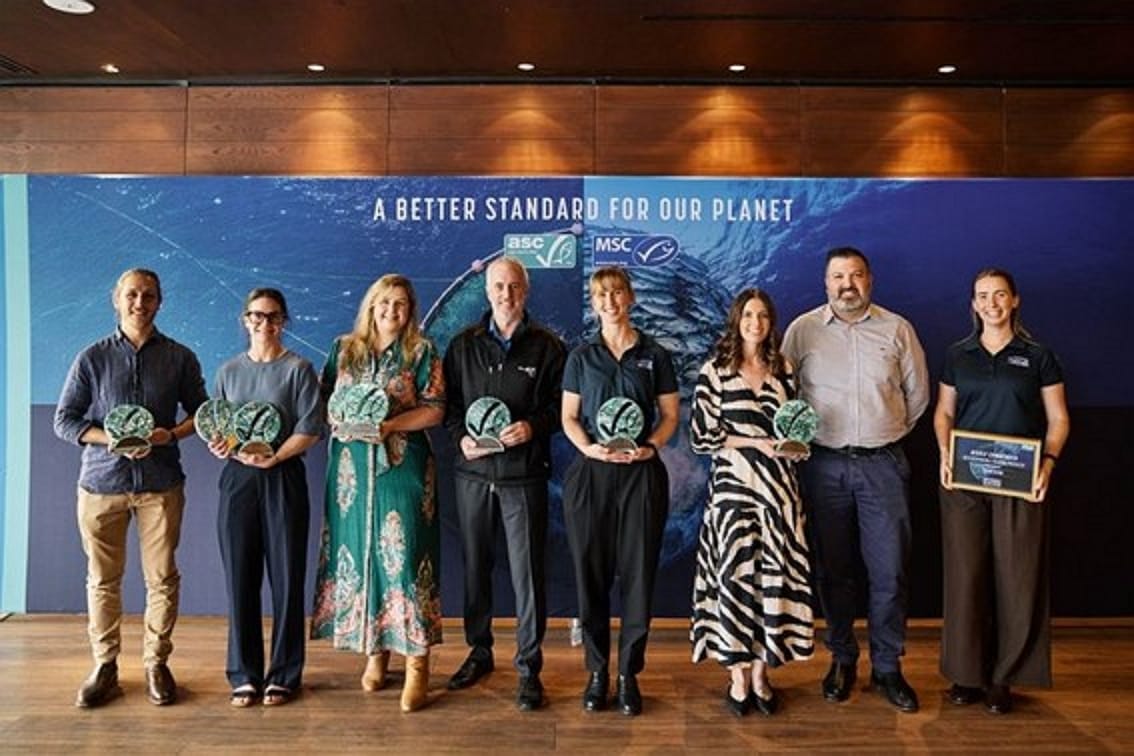
Australia’s seafood leaders have been recognized for setting the benchmark in responsible seafood production at the 2026 Sustainable Seafood Awards.
An initiative of the Aquaculture Stewardship Council (ASC) and the Marine Stewardship Council (MSC), two global non-profit organizations that set internationally recognized standards for seafood farming and wild capture fisheries, the awards celebrate farms, fisheries, retailers and individuals working to secure the long-term sustainability of Australia’s seafood industry.
The global population is projected to reach around 8.6 billion by 2030, and relies on seafood as a vital, nutritious and efficient protein source. Sustainably managed fisheries and responsibly farmed seafood are critical to meeting the world’s growing demand and long-term food security.
According to the United Nations more than one third of global fish populations are in decline and around 60 per cent are fished to their biological limit. With more than 60 per cent of seafood now farmed and global demand continuing to rise, sustainable production practices are increasingly critical and Australia’s leadership in certified blue foods supports climate resilience.
Independent certification and science-based standards play an important role in ensuring trust and transparency across seafood supply chains. Consumers can now choose from more than 500 ASC and MSC labelled seafood products on Australian retail shelves, spanning chilled, ambient and frozen seafood, as well as products used in pet food, supplements and beauty products.
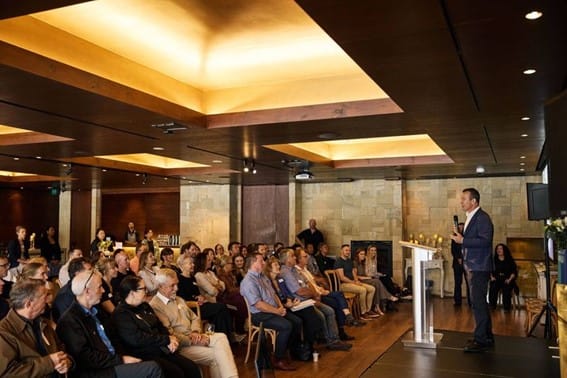
ASC Market Development Manager Ellie Dixon said the award winners represent best practice across Australia’s seafood sector.
“As expectations from customers, NGOs, regulators and investors continue to rise, transparency, traceability and credible assurance have become more important than ever,” Dixon said.
“These trailblazing businesses are demonstrating leadership through the adoption of independent, science-based standards.”
MSC Program Director for Oceania and Singapore Anne Gabriel said Australians increasingly want confidence that their seafood comes from sustainable sources.
“At a time when sustainability claims are under increasing scrutiny and concerns about greenwashing are growing, credible, science-based certification is more important than ever,” Gabriel said.
“The winners recognized this year are helping build confidence across seafood supply chains and among the public.”
Seafood industry expert John Susman AM said the winners reflect a growing commitment across the sector to responsible production.
“The initiatives and dedication of this year’s nominees demonstrate significant industry progress,” Susman said.
“Across both farmed and wild seafood, we’re seeing producers, retailers, scientists and innovators working together to lift standards, ensuring Australians can enjoy seafood with confidence while protecting our marine environments.”
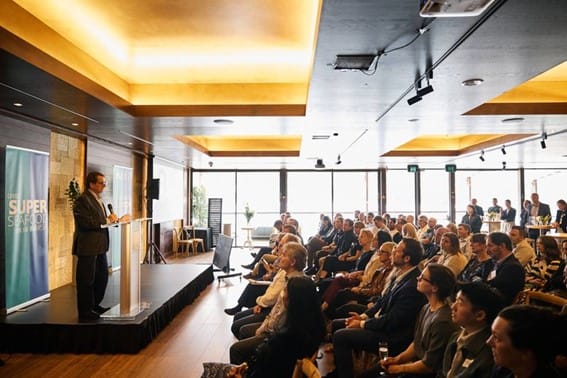
Award Winners – Highlights
Major Australian retailers ALDI, Coles and Woolworths were recognized for their leadership in sustainable seafood.
ALDI Australia received the ASC Best Responsible Seafood Retailer Award for the fourth consecutive year.
“ALDI distinguished itself through accessible, affordable ASC-certified seafood and national campaigns that helped millions of Australians choose responsible aquaculture,” the judging panel said.
Coles was awarded MSC Best Sustainable Seafood Supermarket, with judges commending its strong sourcing policies, transparent reporting and consumer engagement.
“Coles has demonstrated an exceptionally comprehensive commitment to MSC-certified sustainable seafood, showing excellence in policy, traceability, reporting and industry leadership,” the panel said.
Woolworths Group received both the MSC Community Champion Award and the ASC Aquaculture Champion Award for embedding sustainability initiatives across its seafood supply chain.
“Through initiatives such as the Ocean Pool Fund, Woolworths is investing in suppliers to enable innovation, continuous improvement and credible pathways toward certification,” judges said.
Humpty Doo Barramundi was awarded ASC Best Responsible Producer for its pioneering wetland recirculating aquaculture system and strong community engagement, including partnerships with First Nations communities.
I&J received ASC Best Responsible Seafood Brand for its progress in adopting ASC-certified products across its supply chain and Little Tuna won MSC Best Sustainable Seafood Brand based on a public vote – winning over 50% of the votes.
Two of Tasmania’s emerging stars were awarded the ASC Young Person in Aquaculture Awards recognizing Ryan Stallard (Skretting Australia) and Laura Hodge (Tassal Group) for their leadership in advancing environmental performance and innovation across aquaculture operations.
About the Aquaculture Stewardship Council (ASC)
The ASC label on pack showcases ASC-certified farms and feed mills — impact-focused and transparent operations delivering measurable and verifiable change. They meet science-based, rigorous requirements that foster accountability and trust across the seafood value chain, from feed ingredients to farm to fork.
ASC is an independent non-profit organization setting the global standard for responsible farmed seafood. Our comprehensive environmental and social requirements drive continuous improvement in aquaculture practices.
ASC is advancing the leading certification program for responsible farmed seafood, partnering to increase demand for ASC-labelled products, and championing innovation through industry collaboration.
Find out more: asc-aqua.org/about-asc
About the Marine Stewardship Council (MSC)
The MSC was created in response to the growing threat of overfishing globally to help incentivize fisheries to become more sustainable.
The MSC is an international non-profit on a mission to end overfishing and restore fish stocks for future generations. With a vision of the world’s ocean teeming with life and seafood supplies safeguarded for this and future generations.
More than one-third of fish stocks are estimated to be fished at unsustainable levels. With the global human population set to reach 10 billion by 2050, the need to harness our natural resources more responsibly is more urgent than ever. Billions of people worldwide depend on seafood for their livelihoods, and, for many, seafood is their primary protein source.
The MSC blue fish tick label on a wild-caught seafood product or menu can be traced back to an MSC-certified sustainable fishery. By looking at each fishery individually using science, fisheries prove and improve their sustainability performance.