
From January to mid-July 2025
The new additions take the total to 35 centers across 14 countries globally that have achieved the accreditation
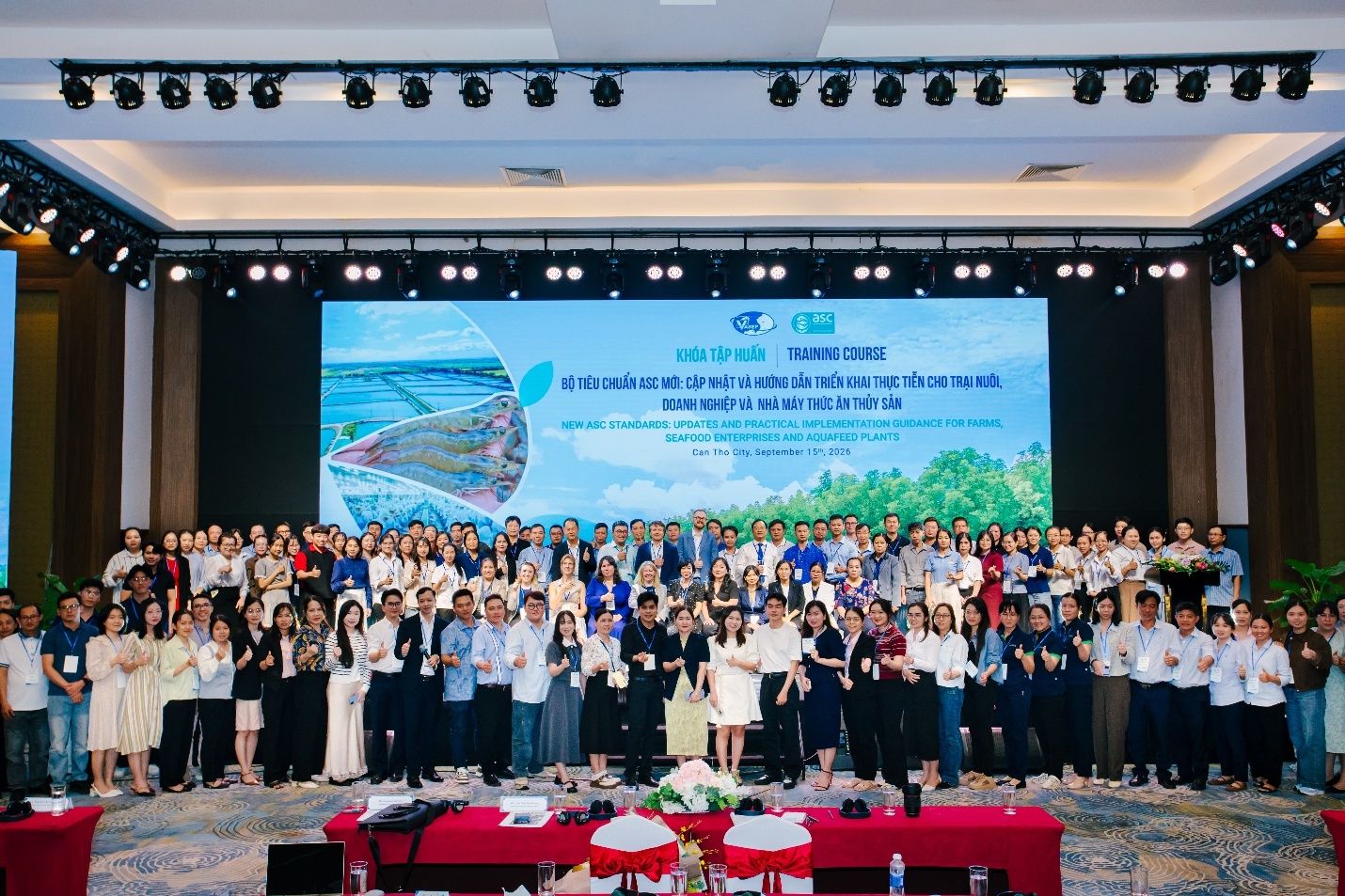
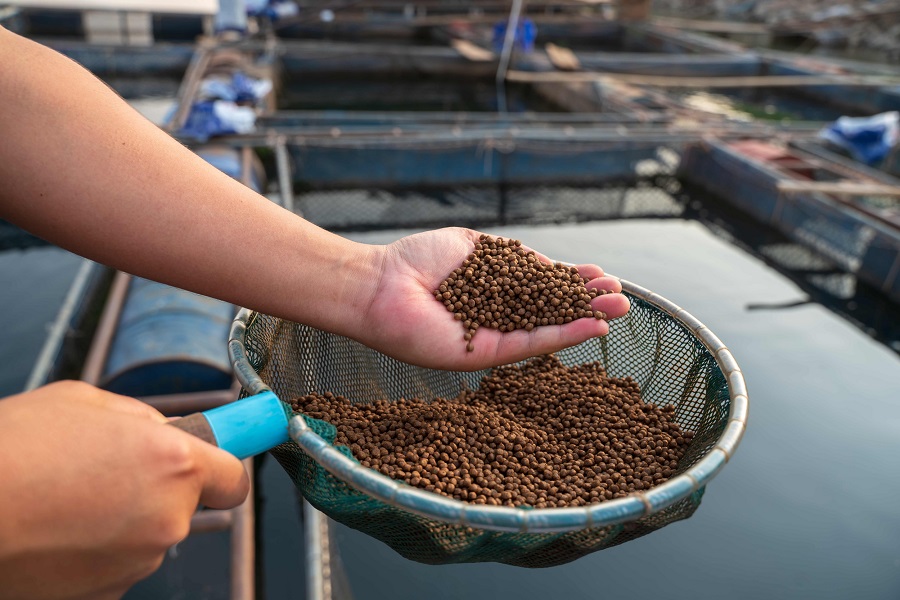
According to the Aquaculture Stewardship Council (ASC), the global momentum behind their Feed Certification is accelerating as leading players ramp up responsible feed production. From January to mid-July 2025, 18 feed mills across 12 different countries achieved certification against the ASC Feed Standard, taking a positive step to drive real change in seafood farming. From Norway, Japan, Ecuador, the UK, Australia and Canada, to Chile, Vietnam, Spain, Italy, Honduras and Costa Rica, these industry leaders are choosing ASC Feed Certification to produce more responsible aquafeed.
They explained that it has been a period of ‘firsts’ for three of those countries, with the first ever feed mills –all Skretting sites– achieving ASC Feed Certification in Australia, Japan and Italy.
This wave of certifications marks a continuing shift in the aquaculture industry. ASC certified feed producers are more directly addressing the environmental and social impacts embedded in their supply chains – from the responsible sourcing of ingredients like soy and fishmeal, to ensuring fair labor practices.
“By choosing ASC Feed Certification and meeting the rigorous environmental and social requirements of the ASC Feed Standard, these feed companies are making real change and driving full-chain responsibility. We congratulate all recently certified feed mills on their achievements and look forward to seeing the positive impact they have on the industry,” said Aisla Jones, Feed Engagement & UK Markets Manager at ASC.
And she added: “This marks another important step in our mission of transforming the industry. We recognize there is still progress to be made, and we remain focused on driving it forward.”
The Future of Farmed Seafood and the Responsible Feed
Feed mills certified January to mid-July 2025 are Skretting, for their production centers in Canada, Spain, Norway, Japan, Italy, Australia; Cargill, with bases in Norway, Chile, the UK (Scotland) and Ecuador; BioMar, for their facilities in Costa Rica and Norway; Salmones Antártica Feed, from Chile; Nosan, based in Japan; Grobest, Nutreco and CP Vietnam Corporation, the thee from Vietnam; and Vitapro, based in Honduras.
For the members of the ASC, the message is clear: the future of farmed seafood must be built on responsible feed. These feed companies are leading the way by choosing ASC for change.
This takes the total to 35 feed mills across 14 countries globally that have achieved ASC Feed certification. You can see details of all feed mills in the ASC Feed Certification Program on the ‘Find a Feed Mill’ webpage.
ASC certified farms have until 31 October 2025 to ensure they are using ASC conforming feed from feed mills that are certified against the ASC Feed Standard. The use of ASC conforming feed is necessary for ASC certified farms to meet the ASC Farm Standard and retain their certification.
Pins mark the location of feed mills around the world in the ASC Feed Certification Program – certified or in initial audit.

Rigorous Requirements
According to the organization, the ASC Feed Standard is changing the narrative of responsible aquafeed to a holistic approach. It sets rigorous requirements for aquafeed production, covering areas such as social and labor rights, health and safety, environmental stewardship, and responsible sourcing of raw materials.
It takes into consideration the impacts created across all key ingredient groups and throughout the ingredient supply chain. This includes all major agriculture crops such as wheat, corn and canola, in addition to soy and palm oil, and marine ingredients.