

Aquaculture is expanding and intensifying globally, with implications for environmental, livelihood, food security and nutrition impacts. Here we present an integration of 45 country-level indicators to examine the social, economic, governance and environmental conditions shaping aquaculture development across 150 countries and four identified archetypes of aquaculture through cluster analysis. Understanding […]
Articles
354 posts
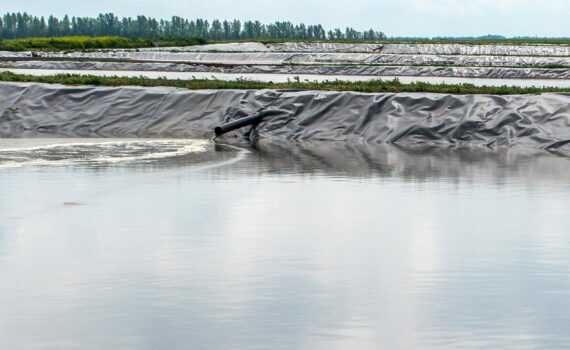
Accumulations of ammonia and nitrite are commonly observed in outdoor lined ponds, and elevated concentrations of these compounds during shrimp culture in a zero-water exchange system can cause shrimp mortality. Here are presented findings that enable estimations of total ammonia nitrogen (TAN) removal and oxygen net primary production (NPP) rates […]

By: Ph.D Stephen G. Newman* Predicting the future is typically laden with risk. There are however a few safe bets. Perhaps the safest prediction is that the output of high quality protein from the global aquaculture industry will continue to increase over the next several decades. There are few who […]

By: Carole R. Engle, Ganesh Kumar, and Jonathan van Senten* Finfish aquaculture is complex and diverse, including many species and strains of fish raised in a wide variety of production systems. Technologies used to raise fish also continue to evolve into increasingly sophisticated forms. One seemingly ever-present question is that […]

By: The Fishmonger* Heading into the second part of the year, the pathway forward for seafood and other protein players through the entire supply chain is going to be one of continued challenges. Heading into the second part of the year, the pathway forward for seafood and other protein players […]

By: Ph.D. Stephen G. Newman* Many ask why Ecuador is able to produce so much shrimp and why are they able to produce them so inexpensively? While questions of this nature rarely have a single simple explanation, it is more than likely that most of them are the result of […]
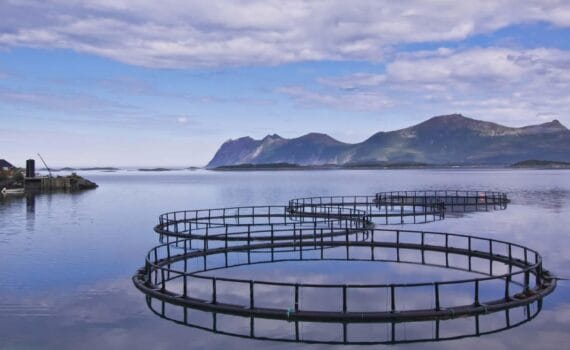
By: Antonio Garza de Yta, Ph.D.* Vicepresident. CIDEEA / Senior Fisheries & Aquaculture Advisor, AWJ Innovation. Contrary to what one might think, or should think, the professionalization of the sector is undervalued. Technical knowledge is not considered a priority and it is thought that aquaculture is not an activity directly […]
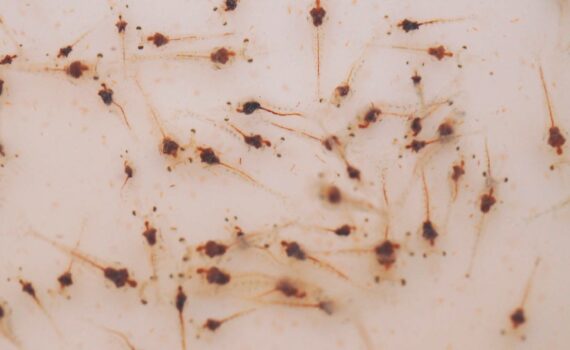
Postlarvae quality is one of the most important factors in hatcheries, affecting the entire process of growing farmed shrimp. Artemia has been the main live prey supplied to PL because of its size, its great acceptance by PL, and its easy storage in the form of cysts. Therefore, the enrichment […]

The welfare of decapod crustaceans, the group with the most farmed animals on the planet, is becoming an increasingly important issue for researchers and society, and this debate will soon reach shrimp labs and farms. This article presents protocols specifically designed to measure the welfare of Penaeus vannamei at all […]
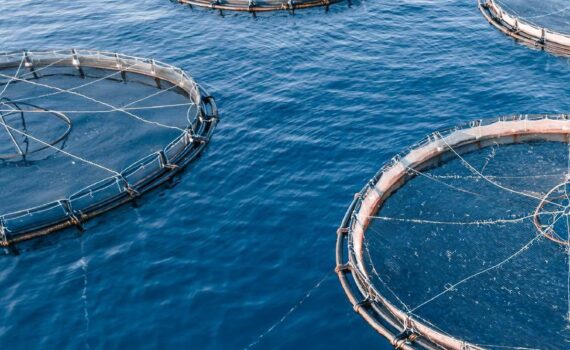
Due to the fact that offshore aquaculture occurs in ecological contexts that differ significantly from nearshore contexts, different kinds of ecological risks may also arise as the sector grows. Here we present a synthesis of information on the ecological risks posed by offshore aquaculture and how to mitigate them. There […]