* By Stephen Newman
El Niño impacts Ecuadorian shrimp farming directly through environmental changes and indirectly via fishmeal availability. Heavy rains, flooding, and higher disease risks threaten productivity. Projections suggest this could be one of the strongest events in recorded history. To ensure minimal disruption, farmers must take a measured response and spend resources to minimize preventable impacts before the storm arrives.
What Is an El Niño?
The Humboldt Current, also known as the Peru Current, is a cold-water current that flows northward along the coasts of Chile and Peru and subsequently turns westward near the equator. It is critical for ensuring upwelling of nutrients that sustain the fisheries in this part of the planet. Warmer water sinks and colder water rise, bringing with it critical nutrients for phytoplankton. Historically, this forms the base of the food chain ultimately resulting in the robust populations of small pelagic fish such as the Peruvian anchoveta being harvested routinely. These fish are converted into fishmeal and fish oil, major ingredients in aquaculture and livestock feeds.
The upwelling is year-round and non-seasonal and is a highly efficient food web. It is not without potentially challenging aspects however as it is tightly linked to the El Niño-Southern Oscillation (ENSO). Historically, this does impact shrimp farming in Ecuador. These impacts can be direct and beneficial or harmful or indirect due to the impact on fish meal availability and subsequent pricing.
El Niño conditions alter the Humboldt Current, disrupting nutrient upwelling and Peruvian anchoveta harvests. This indirectly impacts the shrimp farming industry in Ecuador by reducing fishmeal and fish oil availability, subsequently driving up aquafeed manufacturing costs and market pricing.
What Is the Potential Impact?
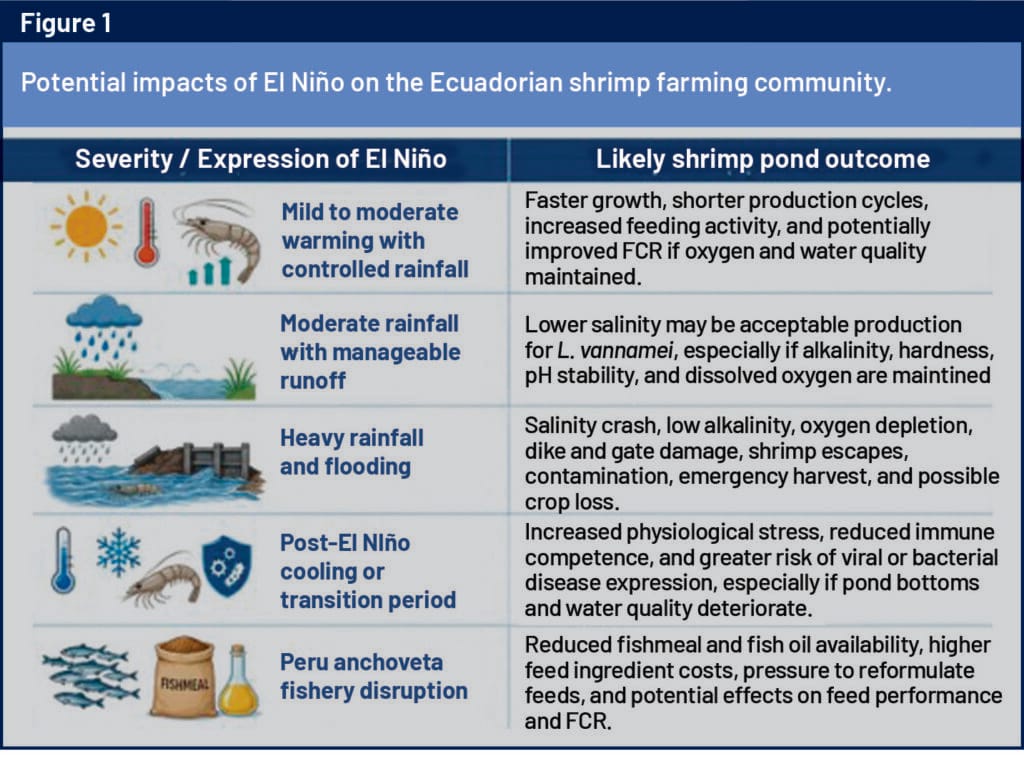
The impact is global. The Figure 1 summarizes what the potential impacts could be on shrimp farming in Ecuador, both direct and indirect.
The Upsides
Moderate El Niño conditions have been noted to produce a positive effect. The major ones are outlined along with some of the potentially negative impacts in Figure 2. Pond temperatures are raised although not necessarily to an extreme resulting in faster-growing shrimp. Historically, when Ecuador relied heavily on the availability of wild seed and natural productivity this could also have benefit as the warmer climate contributed to increases. Ecuador no longer relies on wild seed from wild catch.
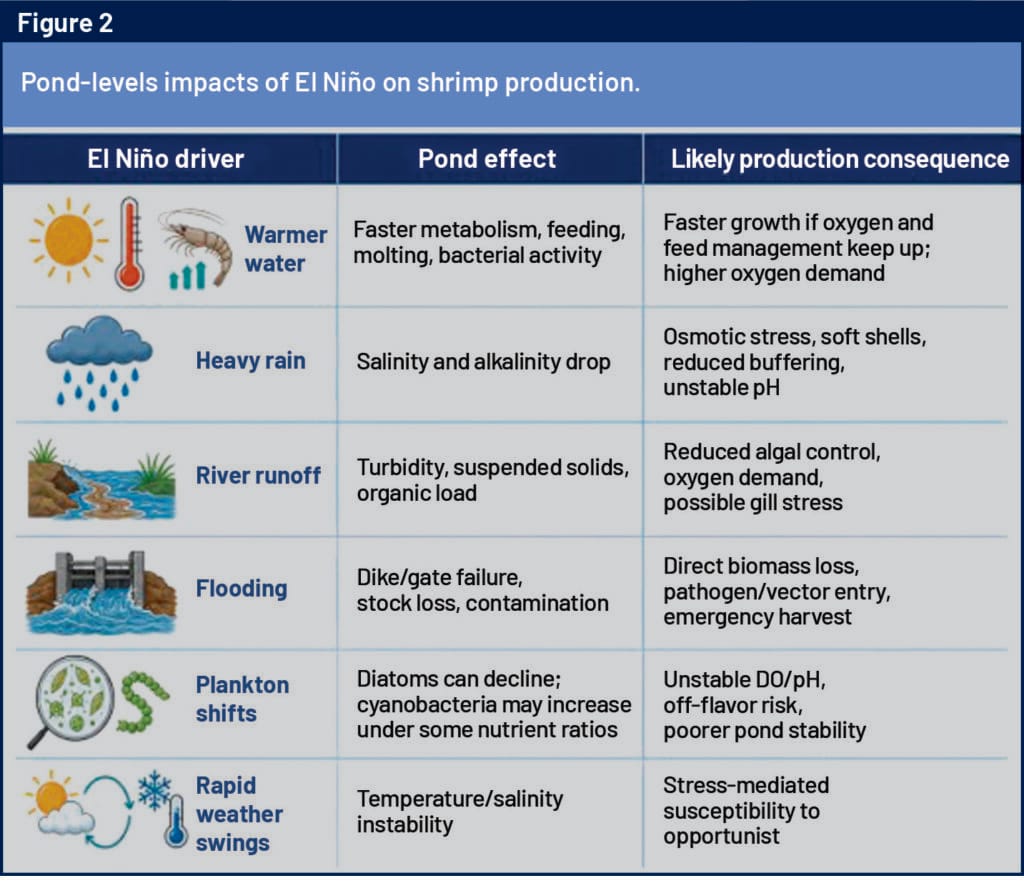
While moderate El Niño events historically accelerated shrimp growth due to elevated pond temperatures, today’s intensive aquaculture industry operates at higher stocking densities. This modern operational scale limits traditional advantages and amplifies ecological risks linked to microbiome shifts.
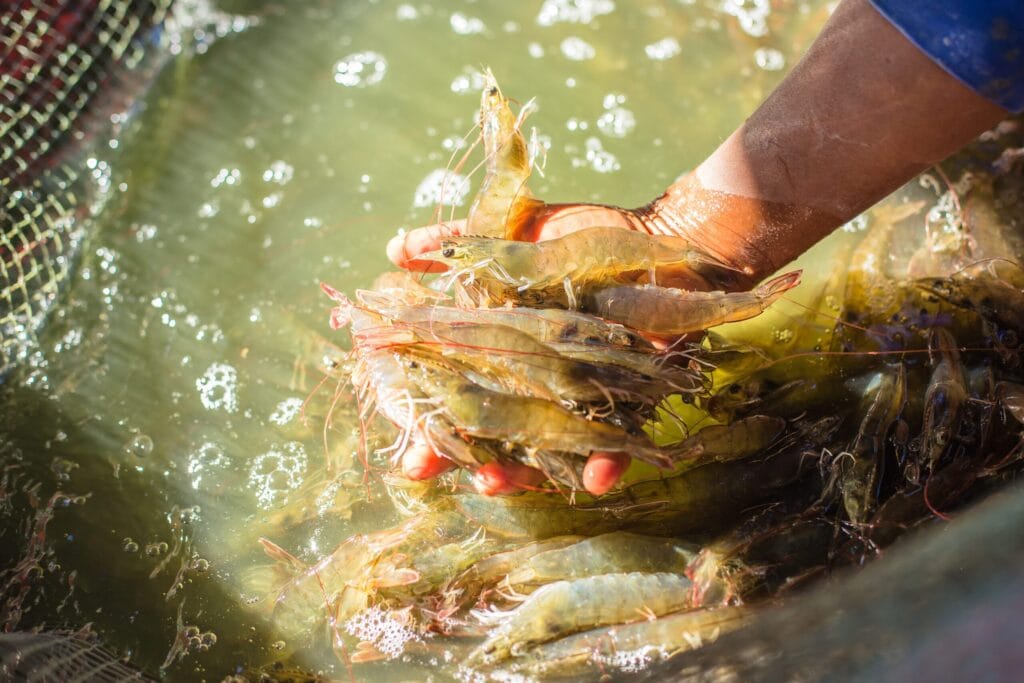
A University of Stirling study of Ecuadorian productivity during the years of 1996 to 1999 reported that El Niño periods saw increased survivals rates, lower Feed Conversion Ratios (FCRs), and higher yields. Since then, the industry has evolved and matured; it is not the same industry in many respects. Stocking densities are higher, while aeration and the use of automatic feeders are now commonplace. It has been postulated that the differences between El Niño and La Niña periods were a result of impacts on the microbiome and its subsequent impacts on phytoplankton.
The Downsides
Heavy rains that result in flooding, dike failures, extreme dilution from copious amounts of fresh water, reduced alkalinity/hardness, oxygen stress (less of a problem today because of the widespread adoption of aeration), harvest and other logistic challenges/disruptions, and higher disease risks as a result of variable water quality and the impact on stressors on animals’ immune systems, etc. are all potential increased risks during El Niño periods. Anchoveta production is generally negatively impacted with reduced fish meal/oil availability and higher prices of feed.
In 2023, the Camara estimated that half of the shrimp farms were at risk from flooding. This has the potential of seriously disrupting productivity. Those farms that are not prepared may be faced with multi-cycle repair timing and the subsequent disruptive cash flow that leads to bankruptcy and forced reorganization.
Severe El Niño downsides include torrential rains, flooding, dike failures, extreme water dilution, and reduced alkalinity. These rapid water quality fluctuations trigger physiological stress, compromise the shrimp immune system, and significantly elevate infectious disease risks across production ponds.
What Can Farmers Do?
Be prepared. Do not wait until the impact is present. Ensure that ponds are structurally able to deal with the impact of flooding. Retaining walls, dikes, warehouses holding feed and equipment need to be in good repair and able to withstand negative weather events. Stable electrical systems that are protected from extreme weather and overall education of workers as to the risks and tools available to moderate the impacts are all essential to lessen the overall risks. High temperatures are not the only issue.
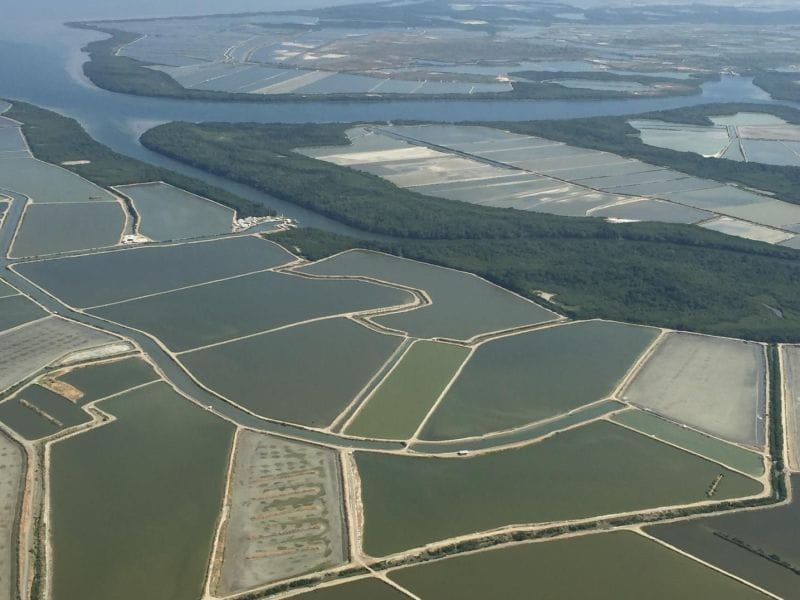
The National Chamber of Aquaculture estimated in 2023 that half of Ecuador’s shrimp farms faced severe flooding risks. Unprepared facilities risk long-term structural damage, multi-cycle repair timelines, and catastrophic cash flow disruptions that can lead to industrial bankruptcy.
Projections are that this will be a very strong El Niño. Some speculate that this could be strongest seen in recorded history. It is imperative that the risks from this, where they can be addressed and mitigated, are done so. Ecuador is currently the largest producer of farmed shrimp globally and the resources are available to ensure that the preventable aspects of this are addressed. Trying to fix them in the midst of the storm is rarely effective. The time to prepare is now.
Ecuador is achieving new export records year after year. Inadequate preparation for this upcoming disruptive weather event will impact this. To ensure that the disruption is minimal without a huge, long-lasting impact requires a measured response before the weather patterns make this at best difficult and at worst impossible. Spending time and resources to minimize preventable impacts is a critical element of sustainability that when ignored is done so at industrial risk.
To safeguard productivity, shrimp farmers must proactively reinforce retaining walls, dikes, feed warehouses, and electrical systems. Allocating resources to mitigate preventable climate risks before the storm arrives is an essential element for ensuring aquaculture sustainability.

* Stephen G. Newman has a bachelor’s degree from the University of Maryland in Conservation and Resource Management (ecology) and a Ph.D. from the University of Miami, in Marine Microbiology. He has over 40 years of experience working within a range of topics and approaches on aquaculture such as water quality, animal health, biosecurity with special focus on shrimp and salmonids. He founded Aquaintech in 1996 and continues to be CEO of this company to the present day. It is heavily focused on providing consulting services around the world on microbial technologies and biosecurity issues.
sgnewm@aqua-in-tech.com
www.aqua-in-tech.com
www.bioremediationaquaculture.com
www.sustainablegreenaquaculture.com.