
By Fishprof
For millennia coastal communities have harvested seaweed. Quite clearly seaweed is making inroads nowadays into western areas – be that food, beauty products, or medicine. The advent of new important activities and documents on seaweed has determined that FishProf will give you an update.
For millennia coastal communities have harvested seaweed. In East Asia, notably China, Korea and Japan, seaweeds like kombu, wakame and nori have been a staple for at least two thousand years, used for broths, wraps and pickles. In Europe, Atlantic coasts long harvested dulse, carrageen (Irish moss) and kelp for food, animal feed, and soda ash. Pacific Islanders and Indigenous peoples in Australia and elsewhere have also used local seaweeds for food, medicine, and tools. Only in the industrial era, with drying and global shipping, did seaweed become widely traded and adopted as a culinary ingredient beyond its native regions.
When the FishProf thinks of seaweed three things come to mind:
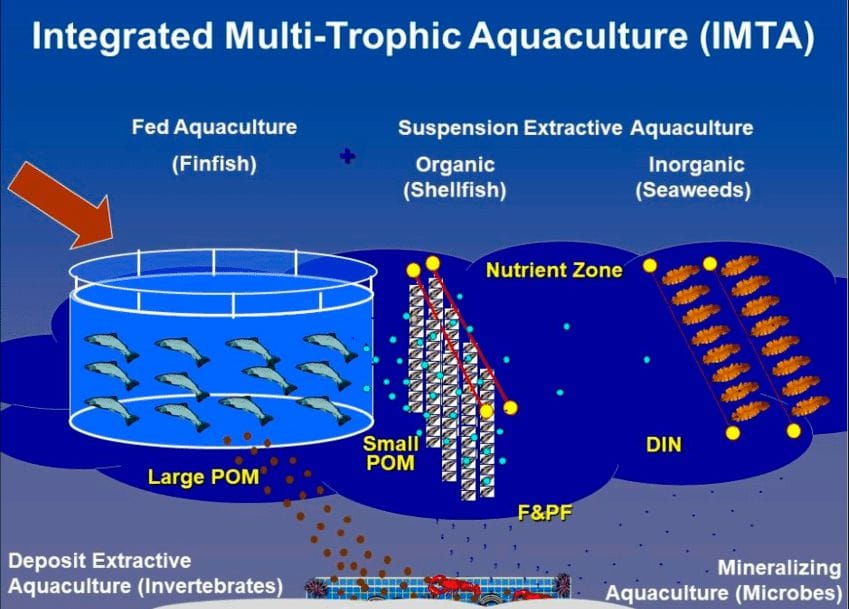
» Professor Thierry Chopin (sadly departed from this world too early) at the Monaco Blue Initiative 2017 when he had everyone off their seats singing along to the YMCA song but instead had introduced IMTA (Integrated Multi Trophic Aquaculture) into the lyrics. Great way to sell the concept!
» Dr. Pia Winberg, whose passion for seaweed and seaweed products saw her experiment on herself when she had an awful accident. The results have been turned into health and food products.
» Japan, where hardly a meal of Japanese cuisine escapes the inclusion of seaweed and the incredible variety of seaweed products you can buy in supermarkets.

Quite clearly seaweed is making inroads nowadays into western areas – be that food, beauty products, or medicine. The advent of new important activities and documents on seaweed has determined that FishProf will give you an update.
The key international and Australian guides on aquatic plant and seaweed safety, naming, and standards — namely the FRDC’s Aquatic Plant Names Standard AS 5301, the UN FAO’s seaweed food guides, and the NY Sea Grant’s Seafood Seaweed Food Safety Guidance — collectively offer an emerging, world-class framework for ensuring responsible, safe, and honest seaweed aquaculture and consumption.
Each of these documents provides practical tools for managing benefits and risks at every step of the supply chain, from definition and transparent labelling to practical food safety, facilitating a sector poised for significant growth — and one facing unique challenges from contaminants to regulatory confusion.
You’ve probably eaten seaweed today without knowing it. It’s hidden in Ice cream/Chocolate milk/Toothpaste/Beer and Wine/Softserve/Some breads/ Cosmetics/Pet food (Carrageenan, alginate,and agar-agar)
International and National Standards at a Glance
The rapidly expanding commercial aquatic plant sector, encompassing seaweed and other species, is currently governed by a mix of national best-practice guides and international technical frameworks, highlighting the need for harmonized safety protocols as the industry grows. Nationally, Australia has introduced a robust, industry-led framework: the Australian Standard for Aquatic Plant Names (AS 5301-2025), managed by the Fisheries Research and Development Corporation (FRDC). This voluntary standard provides a clear naming protocol for all commercial aquatic plants sold within Australia, primarily focusing on standard terminology, traceability, and food safety across the entire supply chain, and is subject to regular external audits to maintain integrity.
Globally, the United Nations Food and Agriculture Organization (UN FAO) issues technical reports that detail the value, risks, and major foodborne hazards associated with seaweed, emphasizing the urgency for international safety harmonization. A notable challenge is the absence of a dedicated Codex Alimentarius standard for seaweed, which currently intensifies the responsibility of national authorities to develop and enforce robust safety frameworks.
In the United States, the NY Sea Grant’s 2025 Seafood Seaweed Food Safety Guidance aims to fill this gap by interpreting and tailoring existing US regulations, specifically clarifying requirements for processors regarding HACCP (Hazard Analysis and Critical Control Points), preventive controls, and the oftencomplex legal definition of seaweed as a “raw agricultural commodity.”
Benefits of Standardized Seaweed Naming and Safety Practices:
» Industry and Consumer Confidence: Standard naming, as implemented in Australia’s AS 5301, eliminates misleading or conflicting terminology, which reduces opportunities for consumer deception and improves market efficiency. With seaweed’s rapid adoption as a health food, food ingredient, and feed additive, clarity is vital — particularly since some species can be toxic, allergenic, or nutritionally inappropriate if mislabeled.
» Public Health Enhancement: Having robust food safety protocols for seaweed is increasingly important as seaweed can harbor pathogens (e.g., Vibrio, Clostridium), heavy metals (lead, mercury, cadmium), or marine toxins if grown in polluted waters. Additionally, proper hazard controls and preventive measures — record keeping, temperature management, validated processing, documentation — limit contamination risks and allow for fast, targeted recalls in public health events.
» Market Access and Traceability: Transparent, harmonized labelling — delivered through protocols like AS 5301 — enables traceability from farm to fork, easing export barriers and harmonizing compliance for global trade. It aligns with FAO and US recommendations, preparing operators for potential future standards and supporting legitimate operators against fraud.
Seaweed farming is one of the most gender-inclusive aquaculture industries. In many countries — especially India, Indonesia, and East Africa — seaweed farming is led bywomen.
The Risks: Gaps and Hazards in Seaweed Aquaculture
Despite its recognized status as a nutrient-rich food, seaweed aquaculture presents several unique and evolving hazards related to food safety, regulatory complexity, and emerging market practices.
Food safety risks
Seaweed, especially when consumed raw or lightly processed, carries several food safety risks. Microbial contamination is a concern, as aquatic plants can act as reservoirs for various foodborne bacteria. More critically, due to their biological nature, algae are prone to chemical hazards through bioaccumulation. This includes heavy metals, persistent organic pollutants (POPs), pesticides, and, in rare circumstances following events like nuclear incidents, radionuclides.
The levels of these contaminants are highly dependent on the farming location, the specific species, and the environmental history of the harvest site. Furthermore, certain seaweeds can accumulate harmful marine toxins derived from cyanobacteria and dinoflagellates; this risk is magnified by the current lack of a global Codex standard specifying safe exposure levels for most marine toxins within seaweed products. Finally, physical and allergenic hazards must be managed through careful processing.
These include the potential presence of pebbles, shell fragments, or microplastics. Furthermore, some species, particularly certain red algae, are known to provoke severe allergic reactions, underscoring the necessity of transparent species labelling and meticulous processing controls.
Seaweed was once worth more than gold (literally). In 17th- century Ireland and Scotland, burned kelp ash was a major source of industrial alkali, making it extremely valuable.
Regulatory complexity and gaps
The global regulatory landscape for seaweed is characterized by a challenging patchwork of rules and standards, creating confusion for both businesses and consumers. In jurisdictions like the United States, for example, unprocessed seaweeds are frequently governed as raw agricultural commodities rather than standard seafood, and the regulatory oversight can shift dramatically based on how the product is processed, where it is sold, and the specific species involved.
This segmentation makes compliance burdensome and difficult to track. Even in nations with proactive standards, regulatory gaps remain; for instance, Australia’s voluntary aquatic plant naming standard (AS 5301), while cited as industry best practice, is not yet legally mandated. This necessitates constant vigilance and strong industry buy-in to ensure compliance and keep the standard relevant.
Once again, the FishProf highlights how Food Standards Australia New Zealand (FZANZ) are letting the Australian public and the industry down by not making AS5301 mandatory.
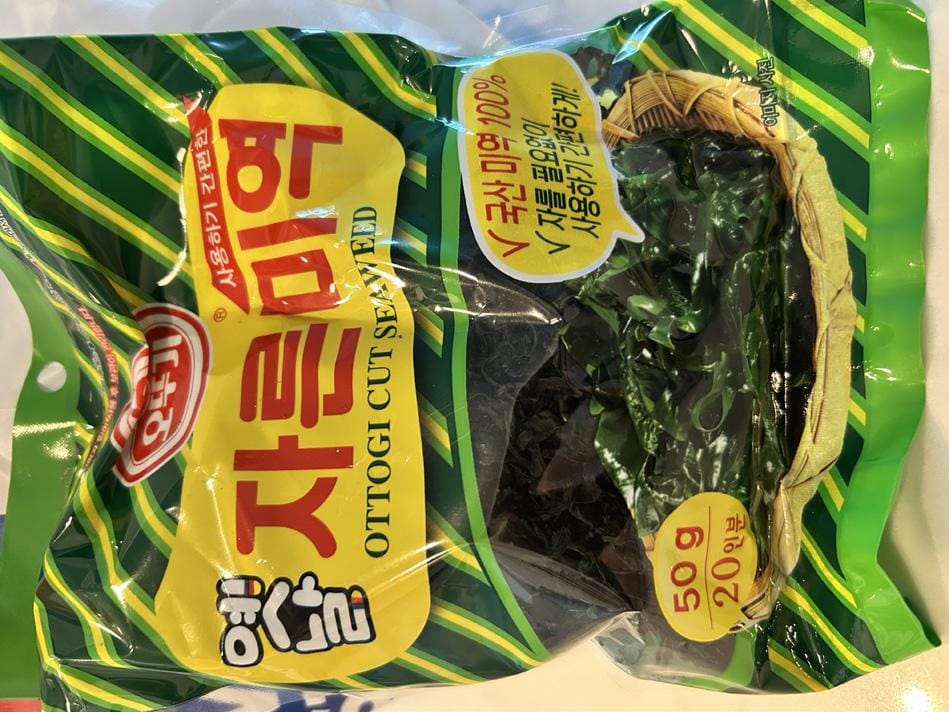
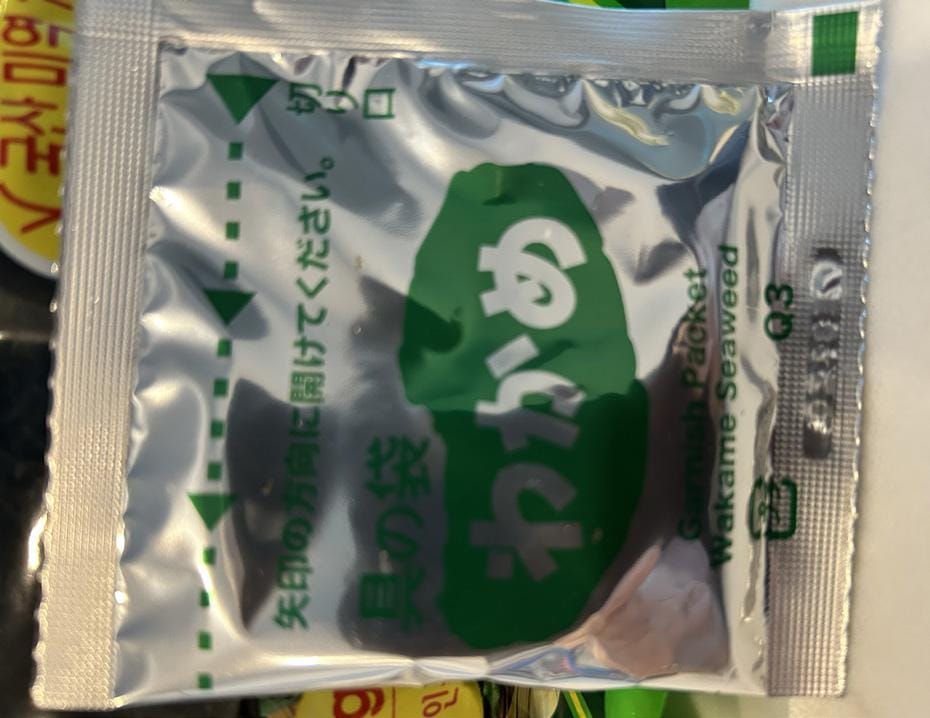
Ottogi Cut seaweed for soups, casseroles, etc.
Emerging and unregulated species
The rapid global expansion in seaweed production is continuously introducing new species and products to the market. This introduces a governance challenge, particularly for small-scale or Indigenous harvesters who may be dealing with underdocumented plants. Establishing and enforcing codified protocols for new or changed names, which includes rigorous species verification and transparent stakeholder engagement, remains essential for robust governance and the maintenance of consumer safety in a dynamic and expanding global market.
Seaweed can replace plastic. Startups in the UK, USA, and Indonesia are turning seaweed into edible packaging, biodegradable films, and water pods.
Key Features of the New Standards and Guidance Documents
Australian Aquatic Plant Names Standard (AS 5301)
» Covers “vascular plants, aquatic protists, and photosynthetic prokaryotes” used commercially.
» Assigns one official Standard Name per species or group, referencing only formally published scientific nomenclature.
» Includes a transparent application and revision process: new names require peer-reviewed identification, broad support, and public consultation. Committee membership ensures national, sectoral representation.
» Database and review cycle: Up-to-date Standard Names are accessible online, regularly updated, and subject to periodic public and industry review.
» Benefits: Superior public health risk management, greater marketability, improved traceability and product recall capacity, and enhanced industry profitability through consumer trust.
FAO Seaweed Guide Highlights
» Details both nutritional benefits and food safety risks, pointing to microbial, chemical, and physical food hazards.
» Recommends holistic “One Health” approaches and national frameworks, with caution against introducing non-native species and encouragement to use the precautionary principle in farm siting, species selection, and process control.
» Underscores global regulatory gaps and the pressing need for international harmonization as trade in edible algae accelerates.
NY Sea Grant’s Seaweed Food Safety Guidance
» Clarifies how seaweed products are regulated under current US food law by state and federal agencies, helping producers, importers, and retailers achieve compliance.
» Offers a hazard-based guide to safe processing and handling: controls for pathogens, temperature, allergens, as well as supply chain management practices.
» Serves as a model for other states (and potentially countries) grappling with rapid seaweed sector growth but inconsistent regulatory coverage.
Seaweed can reduce cow methane by up to 90%. The Australian red seaweed Asparagopsis is leading global research on climate- friendly livestock feed.
Conclusion: Towards a Safer, More Transparent Seaweed Supply
The FishProf is convince that combining standards for naming, traceability, and food safety, utilizing these three leading guides position seaweed aquaculture and consumption as an exciting, sustainable food innovation — with clear rules to manage its risks. Transparent naming and harmonized best practices can empower both established companies and new entrants. They ensure food safety, help recall and manage any public health incidents, and build consumer trust that is essential for market growth.
At the same time, only continual vigilance, transparent revision processes, and international collaboration will close regulatory gaps and keep pace with industry innovation. For policymakers, industry leaders, and consumers, these frameworks should serve not as barriers, but as common ground for expanding a safe, resilient, and trusted aquatic food sector, one with benefits that extend far beyond our plates.
References and sources consulted by the author on the elaboration of this article are available under previous request to our editorial staff.