Editorial Staff | Aquaculture Magazine
Source: Norwegian Seafood Council (NSC) press release, 10 November 2026.
The Norwegian Seafood Council reports that its 2026 FIFA World Cup campaigns raised the share of US consumers linking the campaign to Seafood from Norway from 16% to 59%, and lifted brand identification in China from 55% to 75%. Results in Germany were weaker on preference and purchase intent.
The Norwegian Seafood Council (NSC) has published the results of the paid and earned media campaigns it ran around the 2026 men’s FIFA World Cup, in which Norway’s national team participated. The campaigns featured footballer Erling Haaland, an ambassador for Norwegian seafood since 2024, and focused on product quality and Norwegian origin. According to the NSC, the strongest results were recorded in the United States and China.
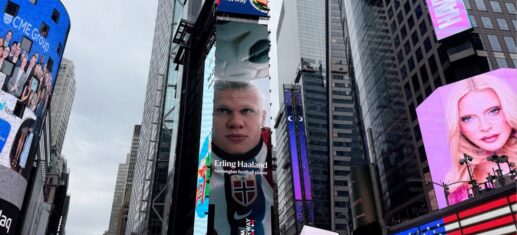
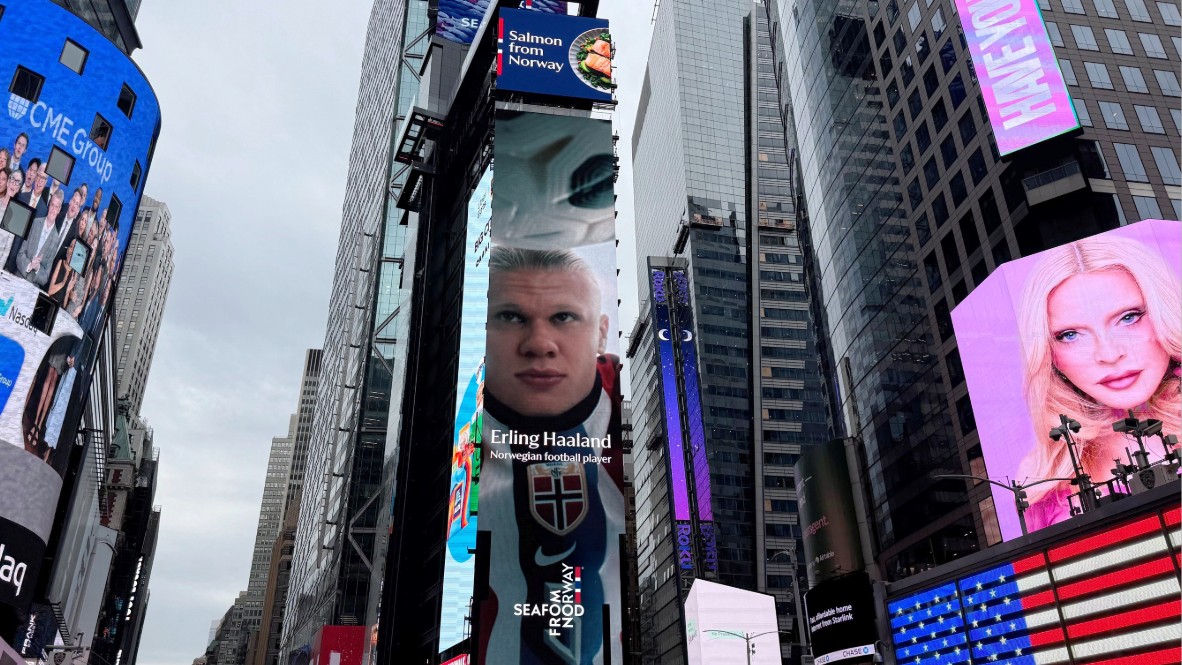
US activities included a 24-hour presence on billboards in Times Square, New York, and a 27-metre aerial banner over Miami carrying the message “I choose salmon from Norway.”
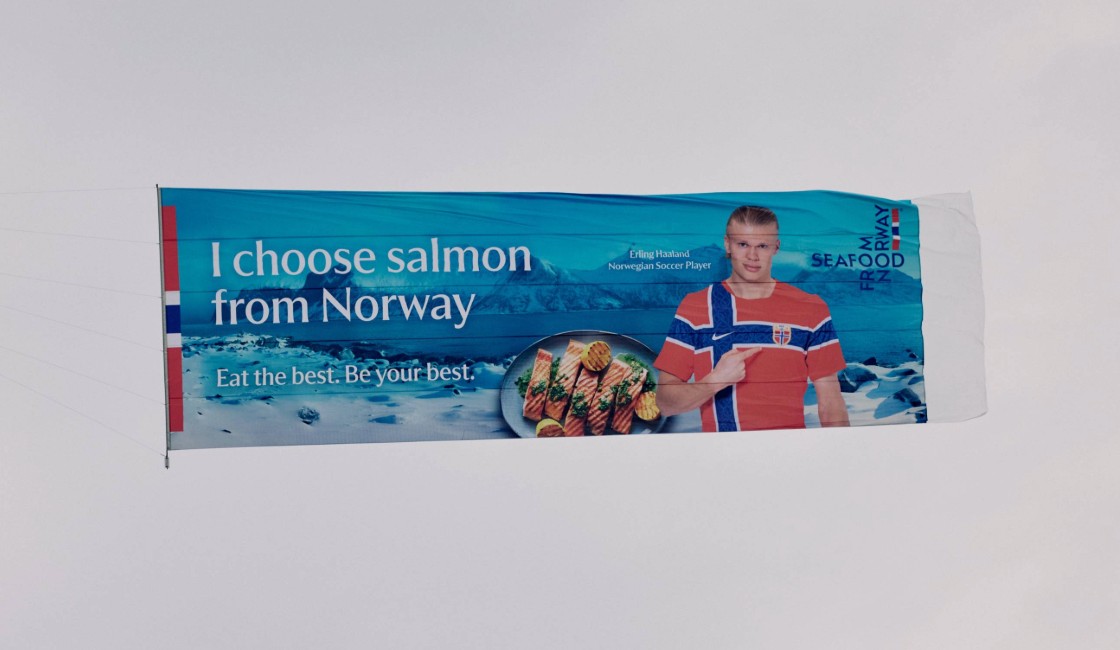
Figure 1. The 27-metre “I choose salmon from Norway” aerial banner over Miami Beach during the 2026 World Cup campaign. Photo: Alfonso Duran / Norwegian Seafood Council.
United States: campaign association with Norwegian origin rose to 59%
In the United States, one of the tournament’s host nations, the share of consumers who associated the campaign with Seafood from Norway, Norwegian origin or Norway rose from 16% in 2024 to 59% during the 2026 campaign, according to the NSC. The council also reports that the campaign reinforced consumer perceptions of Norwegian salmon as healthy (72%), high-quality (73%) and easy to prepare for everyday meals (72%).
The NSC adds that the proportion of consumers naming Norwegian salmon as their preferred choice increased, particularly among young families and consumers willing to pay more. The release does not report the size of that increase.
“The campaigns attracted a great deal of attention and strengthened the association with Norwegian origin and Seafood from Norway. But what matters most is what this can help achieve over time: encouraging more people to eat salmon more often and make a conscious choice to buy Norwegian salmon,” said Camilla Beck, Strategic Advisor at the NSC.
China: brand identification increased from 55% to 75%
In China, the share of consumers able to identify Seafood from Norway as the brand behind the campaign increased from 55% to 75%, which the NSC describes as a new benchmark for the market. Earlier coverage in Aquaculture Magazine examined how sashimi consumption is shaping demand for imported salmon in China.
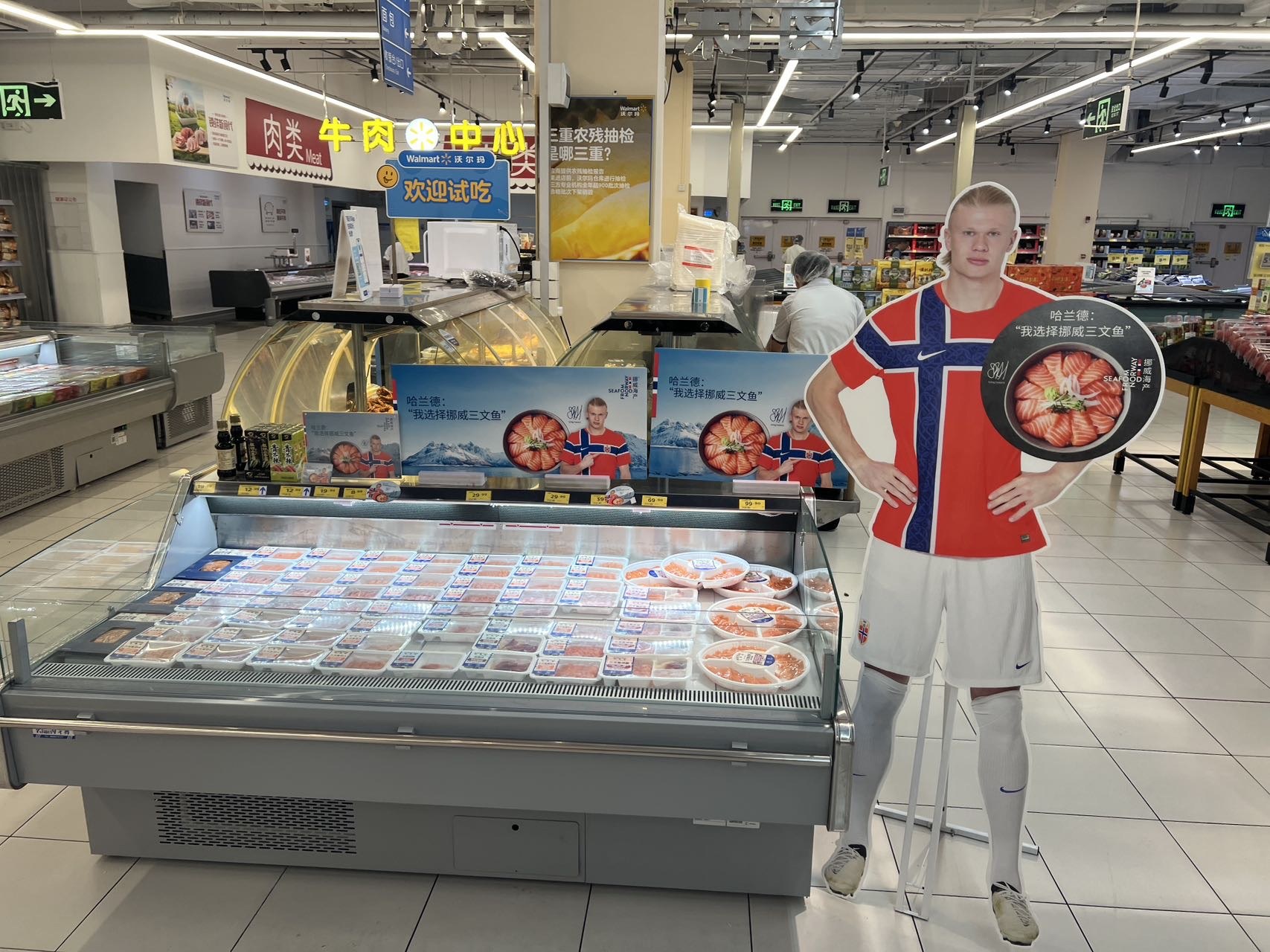
Figure 2. Seafood from Norway campaign materials at a retail salmon counter in China, 2026. Photo: Norwegian Seafood Council.
“We saw consumers’ perceptions of Norwegian salmon strengthen further through associations with premium quality and suitability for sashimi, the preferred way of eating raw salmon in China. Purchase intent also increased among several attractive target groups, including high-income consumers and those willing to pay for premium,” said Sigmund Bjørgo, the NSC’s Country Director in China.
| Market | Indicator reported by the NSC | Result |
|---|---|---|
| United States | Consumers associating the campaign with Seafood from Norway, Norwegian origin or Norway | 16% (2024) → 59% (2026) |
| United States | Norwegian salmon perceived as healthy / high-quality / easy to prepare | 72% / 73% / 72% |
| China | Consumers identifying Seafood from Norway as the brand behind the campaign | 55% → 75% |
| Germany | Brand recognition; preference and purchase intent | Brand clearly recognized; weaker impact on preference and purchase intent |
| Global (earned media) | National team seafood shipment story | Estimated reach of 1.4 billion; 1,300 media mentions |
Table 1. Campaign results by market, as reported by the Norwegian Seafood Council. Prepared by Aquaculture Magazine with information from the Norwegian Seafood Council.
Earned media: the national team’s seafood shipment
Alongside paid media, the NSC worked on earned media coverage throughout the tournament. The story of the Norway national team bringing its own seafood to its World Cup training camp in the United States reached an estimated global audience of 1.4 billion and generated 1,300 media mentions, according to the council.
The NSC reports clear gains in campaign recognition in the United States and China, while in Germany the campaign raised brand recognition without strengthening preference or purchase intent.
“The attention surrounding the national team’s seafood shipment reflected a level of global interest that we could not have planned for,” said Martin Skaug, Director of Marketing and Communications at the NSC.
Germany: recognition without a gain in purchase intent
In Germany, the NSC ran a campaign across TV, social media, outdoor and digital advertising. Consumers clearly recognized Seafood from Norway as a brand, but the council reports that the impact on preference and purchase intent was weaker than in the United States and China, and that the campaign did not strengthen key associations with Norwegian salmon or consumers’ reasons for buying it.
Beck said future campaigns should place greater emphasis on combining attention-grabbing communications with clearer reasons to buy. The NSC states that its goal is to strengthen preference and purchase intent for Norwegian seafood in key markets. Aquaculture Magazine recently reported on the council’s research showing that UK shoppers are buying seafood more often despite economic pressures, and on the launch of seasonal Norwegian mackerel in Japan.
Frequently asked questions
What results did the NSC report for the United States?
The share of US consumers associating the campaign with Seafood from Norway, Norwegian origin or Norway rose from 16% in 2024 to 59% in 2026, and 72% to 73% of consumers perceived Norwegian salmon as healthy, high-quality and easy to prepare.
What changed in China?
Brand identification of Seafood from Norway as the campaign sponsor increased from 55% to 75%, according to the NSC, with higher purchase intent among high-income consumers and those willing to pay for premium.
How did the campaign perform in Germany?
Consumers recognized Seafood from Norway as a brand, but the NSC reports a weaker impact on preference and purchase intent than in the United States and China.
Sources and Methodology
Content type: news item prepared by the Aquaculture Magazine editorial staff with information from the Norwegian Seafood Council. This is not sponsored content.
Note on the data: all figures come from the NSC’s campaign evaluations as summarized in its press release. The release does not report survey methodology, sample sizes, fieldwork dates or the baseline year for the China figures, nor the magnitude of the change in preference among US consumers.
Source: Norwegian Seafood Council, “Haaland’s World Cup success strengthens Norway’s global seafood profile” (10 November 2026). The NSC is a public company owned by Norway’s Ministry of Trade, Industry and Fisheries and is financed by a tariff on Norwegian seafood exports.