
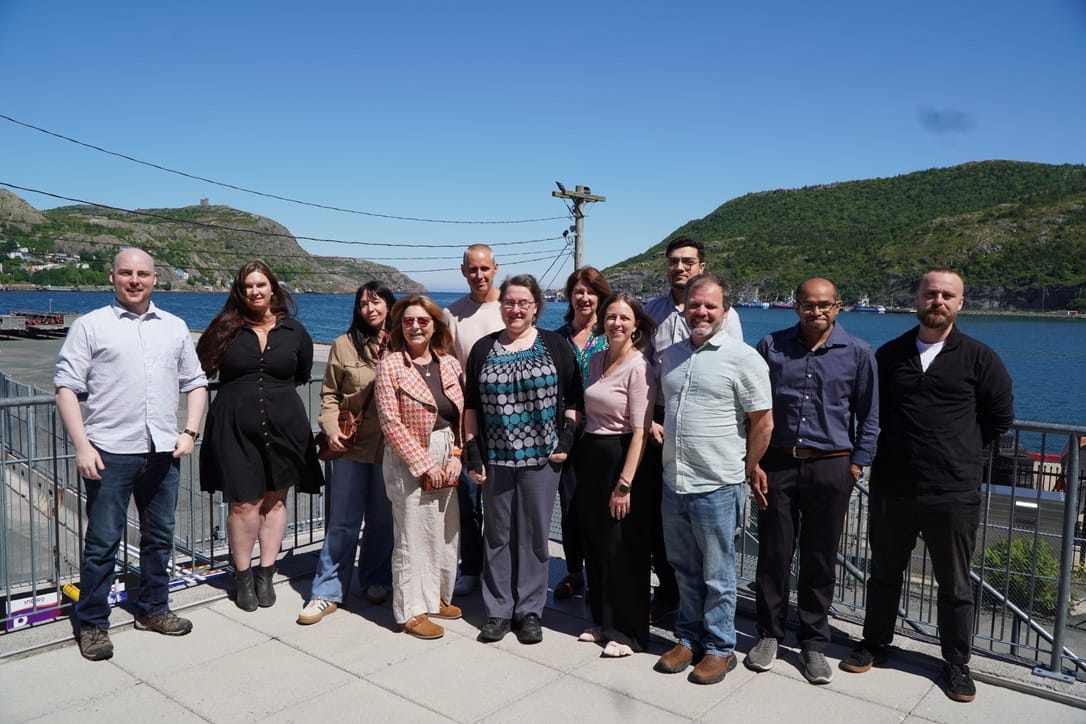
• The nine-month program brings together ten early-stage companies from the aquaculture, aquatic technology, and marine biotechnology sectors across the region.
• The goal is to help turn promising technologies into investment-ready businesses that are ready to enter the market.
The nine-month program Atlantic Canada Aquaculture Studio has launched in Saint John’s (Newfoundland), bringing together 10 early-stage aquaculture, aquatech and marine biotechnology companies from across the region to help transform promising technologies into investable, market-ready businesses. Run by Hatch Blue with Oceans Advance, it has the support from the Government of Canada through the Atlantic Canada Opportunities Agency and Canada’s Ocean Supercluster, together with the Government of Newfoundland and Labrador.
The program began with a two-week intensive in St. John’s before continuing with structured support throughout the year. Participation is free, and no equity is taken. Across the program, founders receive one-to-one support from Hatch Blue’s team and mentors drawn from its global aquaculture network.
The focus is on strengthening commercial strategy, building industry partnerships and preparing companies to raise investment. Through direct engagement with producers, technology and feed partners, investors and local delivery partners, the Studio will help companies accelerate commercialization and build the relationships needed to scale.
“The launch of the Atlantic Canada Aquaculture Studio marks a pivotal moment for our region. We are creating the conditions for company founders to accelerate their ideas, attract investment and build scalable companies right here at home. This studio is about more than supporting entrepreneurs – it is about positioning Atlantic Canada as a global center for aquaculture technology,” said Shelly Petten, CEO of Oceans Advance.
For his part, Wayne Murphy, Co-Founder & Partner of Hatch Blue, said: We’re delighted to launch this innovation studio in Atlantic Canada. Given the region’s rich blue economy heritage, we see fertile ground here for both aquatech innovation and top talent to scale it. The timing is perfect, given the Canadian federal government’s recent food security strategy to drive local, sustainable production and consumption. Looking forward to supporting this cohort of 10 high-potential Canadian companies.”
Innovation Across the Aquaculture Value Chain
The inaugural cohort represents innovation across the aquaculture value chain, from feed and animal health to emissions reduction, water treatment and marine circularity, the Studio informed.
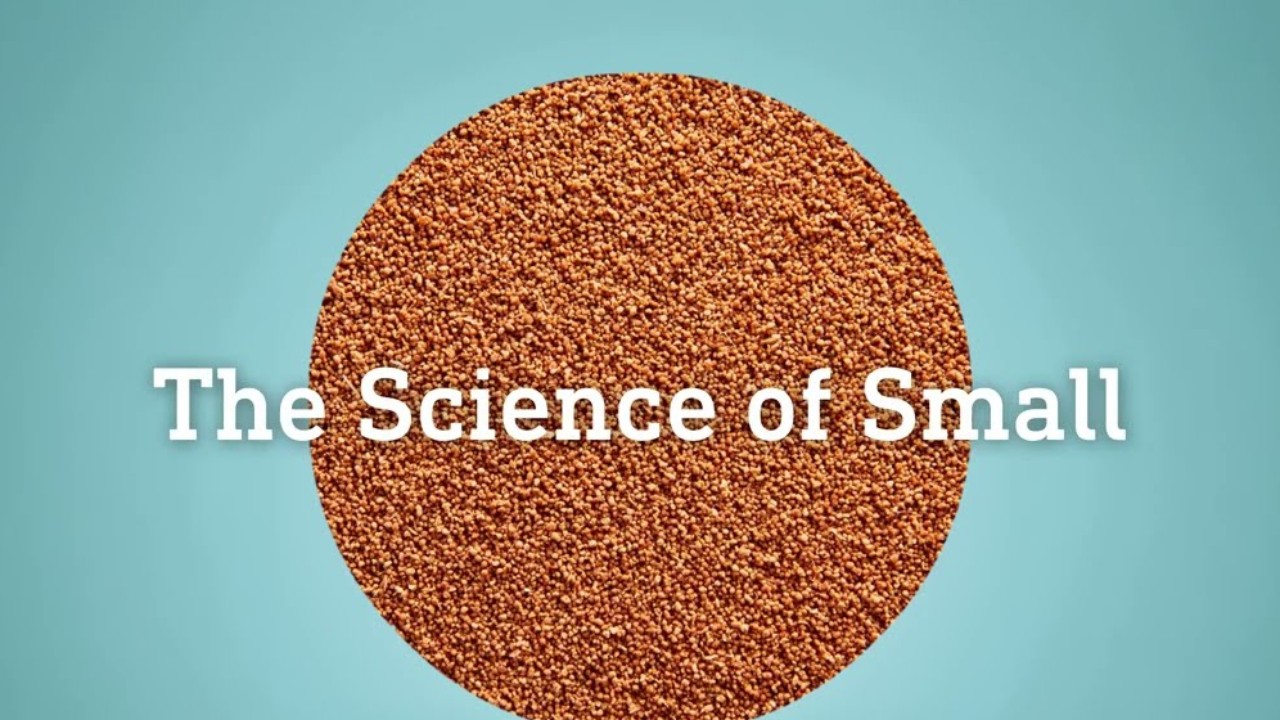
One of the ten aquaculture, aquatech and marine biotechnology companies from across the region is Smallfood (Nova Scotia), which specializes in precision-fermentation producing protein- and DHA-rich microalgae biomass as an aquaculture feed ingredient, offering a replacement for fishmeal and fish oil.
The others are Atlantic BioCorp (Newfoundland and Labrador), which is developing a pigmented protein feed additive from Northern shrimp biomass as a natural alternative to synthetic astaxanthin, the pigment behind farmed salmon’s colour; EVAH Atlantic (Prince Edward Island), dedicated to developing RESETtx, a first-in-class in-feed treatment for sea lice in farmed Atlantic salmon, now in field trials.
The fourth one is Acuicy (Nova Scotia), a climate-fintech software platform that turns aquaculture operators’ asset-level emissions data into costed decarbonization pathways, modelling CAPEX, payback and savings. The fifth one, Clean Valley (Nova Scotia), an algae biofilter that treats wastewater from land-based aquaculture, absorbing nutrients from farm effluent while producing algae that can be reused, including as oyster feed.
Others are Mekapisk EnviroBlu Solutions (Newfoundland and Labrador), company that is developing a water-based, biodegradable, non-corrosive industrial cleaner and degreaser for marine, energy and industrial sectors, with aquaculture as an emerging application; and FinLeaf Technologies (Nova Scotia) – converts solid waste from land-based aquaculture into phosphorus-rich biostimulant fertilizers for crop growers
Finally, NL Marine Organics (Newfoundland and Labrador), which biorefines liquid fish-hydrolysate fertilizer from aquaculture mortality and wild fish processing waste, stabilized close to source by dockside ensiling; HoldfastNL (Newfoundland and Labrador), that produces kelp-based liquid agricultural biostimulants from cultivated sugar kelp; and BioLabMate (Newfoundland and Labrador), company that converts seaweed into thermoplastic bio-resins that replace petroleum-based plastics in laboratory and medical consumables such as weigh boats and tube racks.
Solutions Shaping the Future
The studio closes with “Innovate Aquaculture: the solutions shaping the future,” an invitation-only forum on 23 July 2026 in St. John’s, Newfoundland. It brings the people driving the sector’s future into the same room: producers across salmon, shellfish and the wider value chain, the feed and technology companies supplying them, the investors backing the sector, and the early-stage ventures shaping what’s next.
The morning features keynotes, a panel on Atlantic Canadian aquaculture innovation, and a showcase where the 2026 Studio companies present what they’re building.
“Atlantic Canada has every ingredient needed to lead the next wave of global aquaculture innovation – world-class science, deep ocean expertise and a growing community of ambitious technology companies,” finished the CEO of Oceans Advance.