• This year, USD 13.5 million will be available for research projects
• The University of New Hampshire was selected as host institution
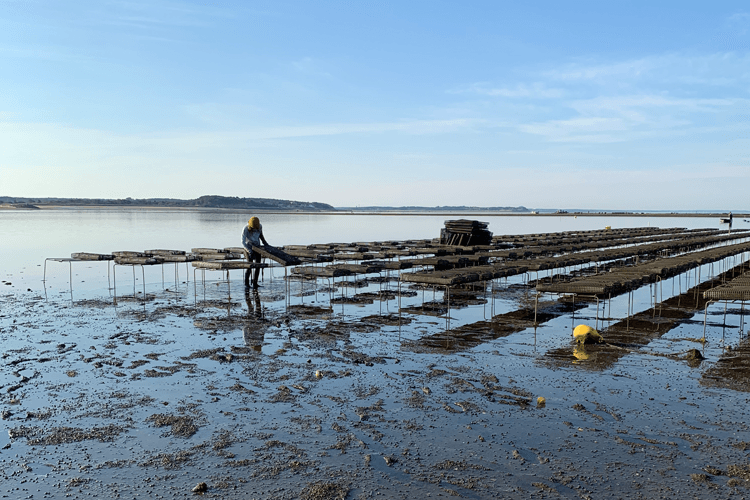
The National Oceanic and Atmospheric Administration (NOAA) of the United States (US) just announced the University of New Hampshire as host institution for the new NOAA Cooperative Institute Fostering Aquaculture Research and Markets (CIFARM) to expand NOAA’s impact and strengthen efforts to boost American seafood competitiveness. Approximately USD 13.5 million will be available this year for projects following the establishment of CIFARM.
“The United States is finally recognizing aquaculture as a vital complement to our world-class fisheries,” said Neil Jacobs, NOAA administrator. “We look forward to collaborating with these exemplary partners to continue to unlock the potential of this industry in the United States,” he added.
After a highly competitive application process, this new five-year cooperative institute will harness partnerships with cutting-edge researchers to advance American marine aquaculture.
Scientific Excellence and Regional Expertise
According to NOAA, CIFARM researchers will investigate solutions that can be leveraged for industry advancement, such as marine aquaculture demonstration projects; engineering and technology development; artificial intelligence for aquaculture; environmental observations and forecasting; risk management and vulnerability analysis; and seafood markets research.
Those research priorities will also magnify scientific advancement through education, outreach, and engagement.
“We are excited to partner with NOAA on this first-of-its kind cooperative institute to advance American aquaculture. By leveraging our coalition’s scientific excellence and regional expertise, we are poised to make great strides for the aquaculture industry,” commented Elizabeth Chilton, president of the University of New Hampshire.
Extensive Experience
University of New Hampshire has partnered with a diverse suite of outstanding academic, industry, and non-governmental organization partners, including: New Hampshire Sea Grant, the University of Miami, Florida Sea Grant, University of Southern Mississippi, Mississippi-Alabama Sea Grant Consortium, Hubbs-Sea World Research Institute, California Sea Grant, University of Hawaii and Hawaii Sea Grant.
For Eugenio Piñeiro Soler, assistant administrator for NOAA Fisheries: “By investing in aquaculture research and markets, NOAA Fisheries continues its commitment to improving sustainable American fisheries through science-based management. We are proud to empower the industry to produce more seafood for American plates.”
Science, Services and Policies
Americans eat USD 24.2 billion in imported seafood each year, NOAA emphasized, and about half of which is estimated to be farmed in other countries. Aquaculture creates jobs, uplifts coastal economies and complements wild-capture fisheries, while providing healthy and sustainable seafood to American families and bolstering domestic food security.
Congress directed the establishment of a new cooperative institute advancing US marine aquaculture development in Fiscal Year 2024 Congressional appropriations. By providing scientific solutions for the aquaculture industry, NOAA’s effort also helps fulfill the 2020 Executive Order on Promoting American Seafood Competitiveness and Economic Growth and supports President Trump’s 2025 Executive Order Restoring American Seafood Competitiveness.
Create Conditions for Opportunity and Growth
NOAA Aquaculture Program’s mission is to provide science, services, and policies that create conditions for opportunity and growth of sustainable US aquaculture. This long-term collaborative partnership will promote research, education, training and outreach aligned with this mission.
The final mission of NOAA is to understand and predict changes in climate, weather, ocean, and coasts, to share that knowledge and information with others, and to conserve and manage coastal and marine ecosystems and resources. NOAA’s many assets -including research programs, vessels, satellites, science centers, laboratories and a vast pool of distinguished scientists and experts- are essential, internationally recognized resources.
They say that, from daily weather forecasts, severe storm warnings, and climate monitoring to fisheries management, coastal restoration and supporting marine commerce, NOAA’s products and services support economic vitality and affect more than one-third of America’s gross domestic product. NOAA’s dedicated scientists use cutting-edge research and high-tech instrumentation to provide citizens, planners, emergency managers and other decision makers with reliable information they need, when they need it.