
Some days ago, in Ho Chi Minh City (Vietnam) De Heus Company and Minh Phu Seafood Corporation officially signed a Strategic Cooperation Agreement aimed at promoting the sustainable development of Viet Nam’s shrimp value chain. De Heus is an international company with many years of experience in animal nutrition, including aquaculture nutrition, and the application of advanced technologies in researching and producing feed for fish and shrimp, aiming at sustainable development and compliance with international standards. Minh Phu is Viet Nam’s leading shrimp processing and exporting enterprise.
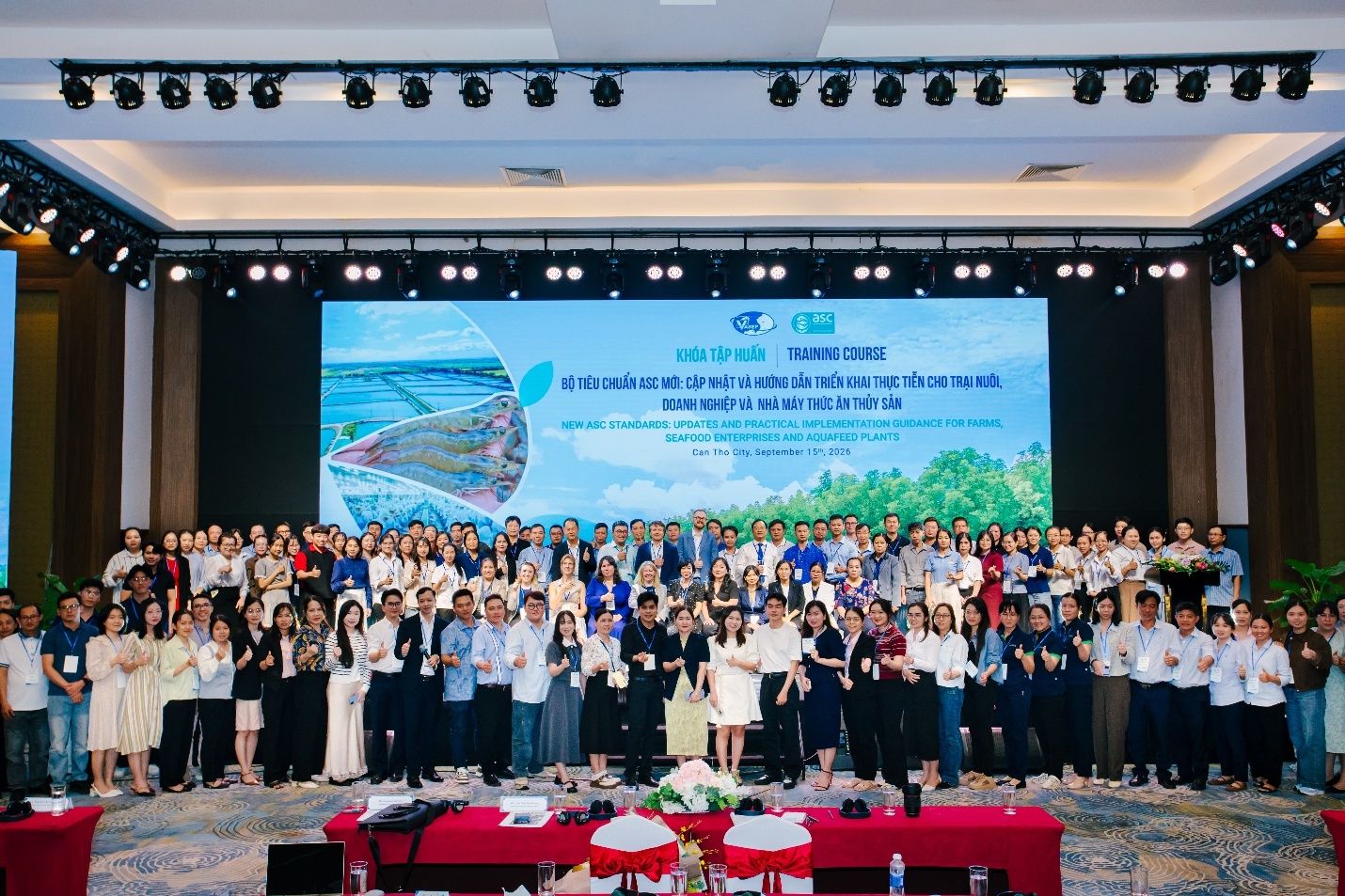
The partnership between De Heus and Minh Phu represents an important step forward in jointly improving the efficiency of aquaculture toward developing a more professional shrimp value chain that meets international standards and expands export opportunities. This is especially significant, as in October, the De Heus Vinh Long 4 aquaculture feed factory was awarded the international ASC certification, one of the world’s most prestigious standards.
Under the cooperation agreement, De Heus will provide Minh Phu with advanced nutritional solutions, high-quality aquaculture feed, and technical support services. In return, Minh Phu will use shrimp feed products supplied by De Heus at farming areas within the Group’s production system. In addition, the two sides will cooperate in implementing pilot programs, transferring technologies, developing farming areas, and enhancing the value of Vietnamese shrimp products in the international market.
The close linkage among all stages, from seed production, farming, processing, and export to supporting factors such as feed, preparations, inputs, and techniques, is expected to form a sustainable value chain, ensuring stable output and enhancing the position of Viet Nam’s shrimp industry.
Speaking at the signing ceremony of the cooperation agreement, Johan van den Ban, CEO of De Heus Vietnam and Asia, said: “We are very pleased to cooperate with Minh Phu, a leading enterprise in aquaculture and seafood processing in Viet Nam.”
“The combination of De Heus‘s strengths in nutrition and technical solutions with Minh Phu‘s experience, scale, and processing and export capacity will create a sustainable value chain for the shrimp industry, from feed and farming techniques to processing and connection to international markets. This cooperation will serve as an important driving force for sustainable development, increasing added value and competitiveness of Viet Nam’s shrimp industry, and conquering demanding markets,” he added.

A scale up a super-intensive, recirculating whiteleg shrimp farming model
In addition, De Heus and Minh Phu are currently coordinating with the Ca Mau Department of Science and Technology, the Ca Mau Department of Agriculture and Environment, SAEN Company, and other partners to implement and scale up a super-intensive, recirculating whiteleg shrimp farming model applying RAS-IMTA technology in Ca Mau, with a total area of 1,500 hectares.
The project not only helps reduce greenhouse gas emissions and minimize waste discharge to the environment but also aims to build shrimp raw material zones meeting ASC and BAP standards for export, particularly to premium markets such as the EU, the U.S., and Japan.
Assessing the project, Le Van Su, Vice Chairman of the Ca Mau Provincial People’s Committee, stated that it is of great significance not only to Ca Mau’s shrimp industry but also to Viet Nam’s shrimp industry, as the technologies applied in the project ensure stability, guarantee product quality, and most importantly, protect the environment.
Saltwater tilapia
Beyond shrimp, De Heus and Minh Phu are also cooperating to research and develop farming processes for salinity-tolerant tilapia, covering techniques, nutrition, and disease prevention and treatment. The coordination aims to build a Vietnamese tilapia brand that adapts to climate change and serves both domestic and international markets.
The saltwater tilapia farming model not only opens up a new direction to increase farmers’ incomes but also contributes to building a green and sustainable Vietnamese seafood brand. Its environmental benefits stem from tilapia’s natural water-filtering capacity, which helps clean shrimp ponds, reduce disease pathogens, and thereby improve the success of shrimp crops.
In addition, the flavorful flesh quality of saltwater-farmed tilapia helps diversify Vietnamese seafood products and is expected to become a promising new specialty for both domestic and international markets. Notably, if successful, rotating tilapia farming in shrimp ponds could be incorporated into Minh Phu’s shrimp farming model to address microsporidian disease in shrimp.
According to Le Van Quang, CEO of Minh Phu Group, shrimp microsporidian Enterocytozoon hepatopenaei (EHP) disease is becoming increasingly complex, posing major challenges for shrimp farmers. To date, there is no effective treatment for EHP worldwide, including in Vietnam.