

*By Stephen Newman, Ph.D.
More than 45 years of working with the global aquaculture industry, an undergraduate degree in Fish and Wildlife Management with a focus on ecology and a Ph.D. on a vibrio that causes disease in farmed salmon and shrimp and thousands of hours in the field in dozens of countries consulting on a wide variety of aquaculture related topics and selling products for improving animal health and the aquatic environment.
As I have written before, while the definition might be simple it is not a straightforward concept.
I would define sustainability as the ability to conduct an activity in a manner that is consistent and that can be done more less in a similar manner generation after generation. While it can evolve with time, these activities cannot negatively impact the production environment in a significant manner, either directly or indirectly.
They must be such that the farmers can generate consistent profits, although there are greater economic forces at work, notably supply and demand, which can impact short term profitability. Unfortunately, as is all too common with similar words, such as green, eco, etc., the use of the term sustainable has become a marketing term muddying the reality.
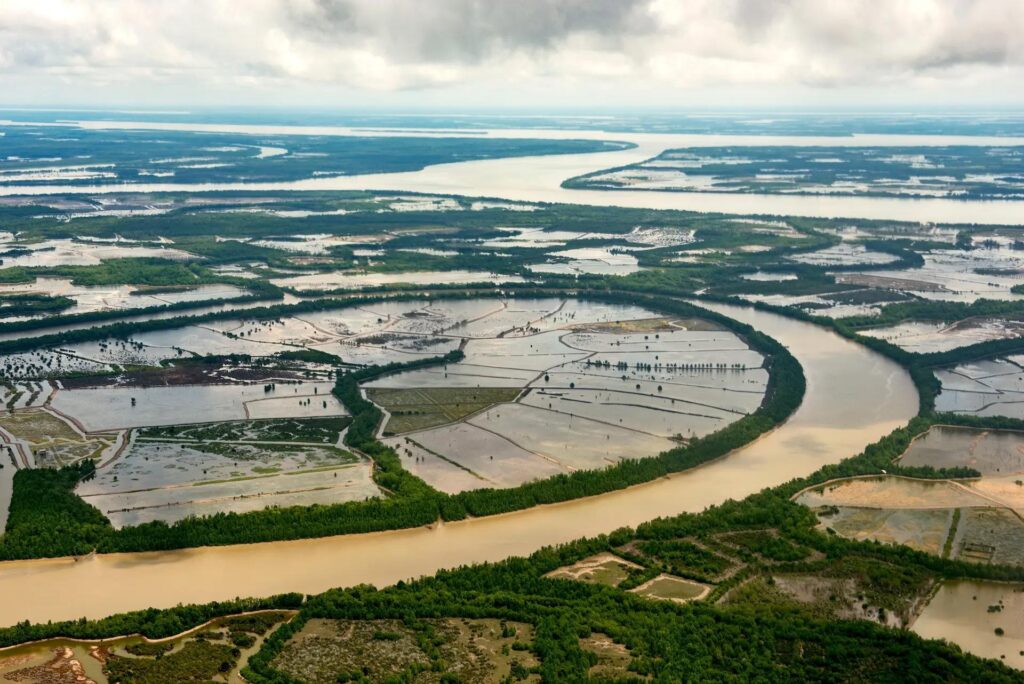
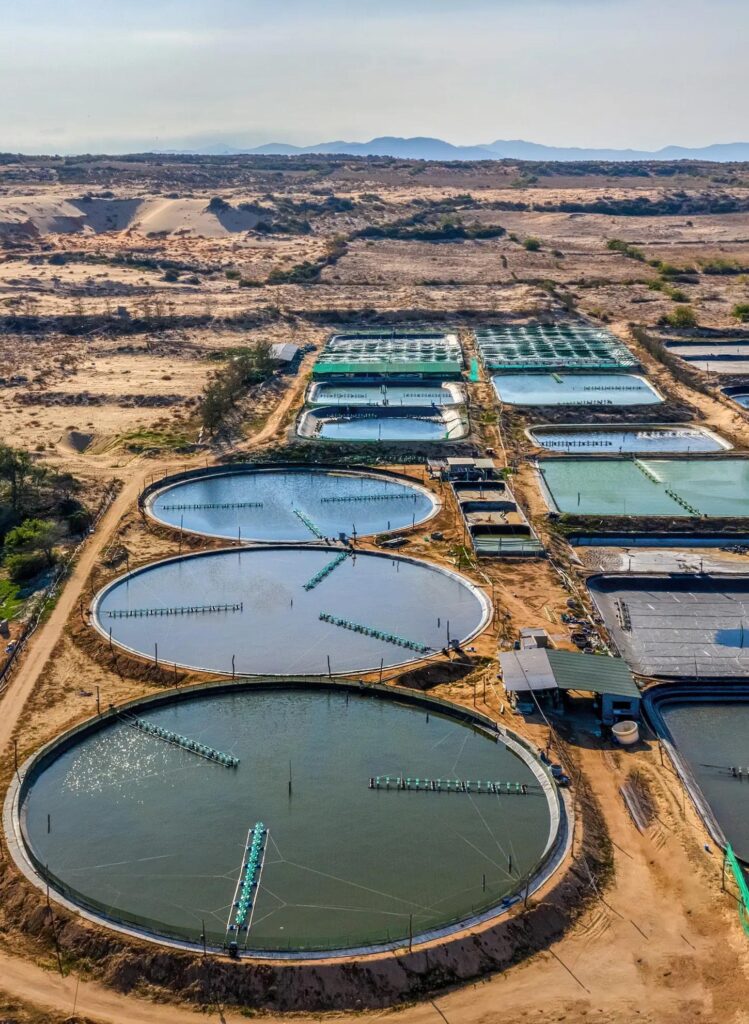
Focusing on shrimp farming there are three primaries, albeit overlapping, production paradigms. One is extensive with very low stocking densities with little if any added feed. Fertilizing the ponds may be all that is needed to ensure optimal productivity. The second is semi-intensive. An example of this would be what is dominating the Ecuadorean production system. Stocking densities are in the 10 to 24 animals per m2.
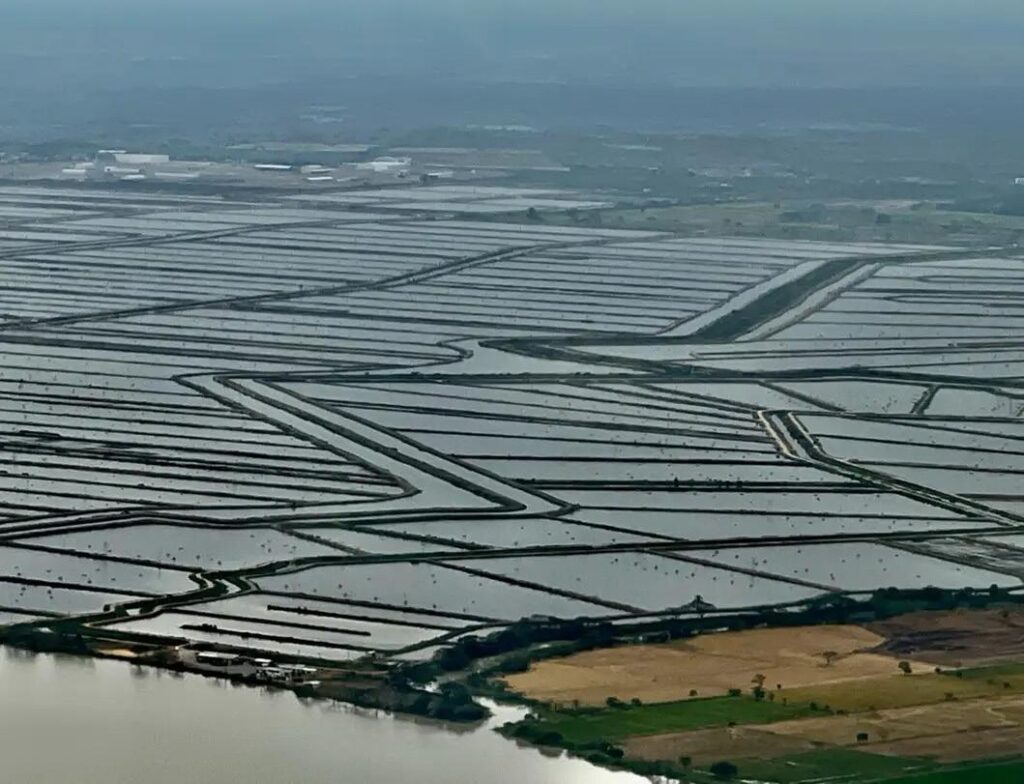
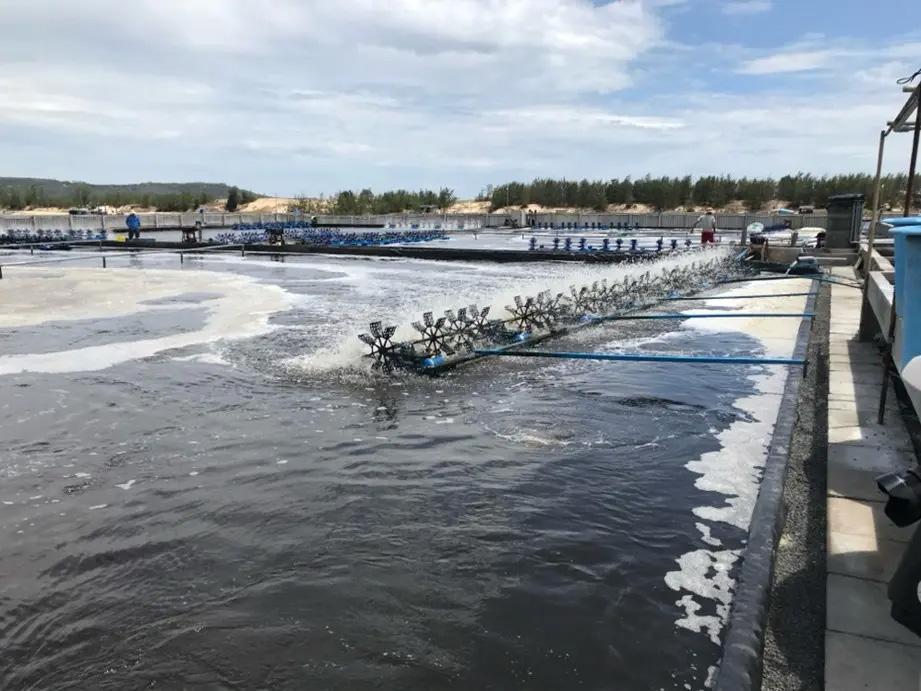
Shrimp are fed compound feeds and ponds are aerated. Finally, there are high density systems. These are typically small ponds with liners and can be stocked with 100’s of animals per m2. Each of these has it challenges although there are many elements in common as well.
Can shrimp farming as it is currently practiced be considered a sustainable activity? As a whole, I do not think so. Some elements appear to be, but most are not. Several NGOs are involved in the process of determining, often with some farmer input, what they consider to be sustainable, and this can entail things like treating animals in a manner that they consider to be humane, ensuring that other NGOs comply with their perspectives, etc. More on this later.
In aquaculture, sustainable production includes feed manufacture and its components. This is both larval and grow out diets. It also includes water treatment before, during and after use (from the farming process as well as from the feed mills and processing plants). Other factors are animal health and animal productivity (survivals, growth rates, etc.).
Some consider “humane” treatment of the animals as a critical element as well. The impact of climate change on the ability to produce animals consistently also needs to be considered. As this article is an op-ed and not a treatise on sustainability with references, etc. it is not going to be all encompassing.
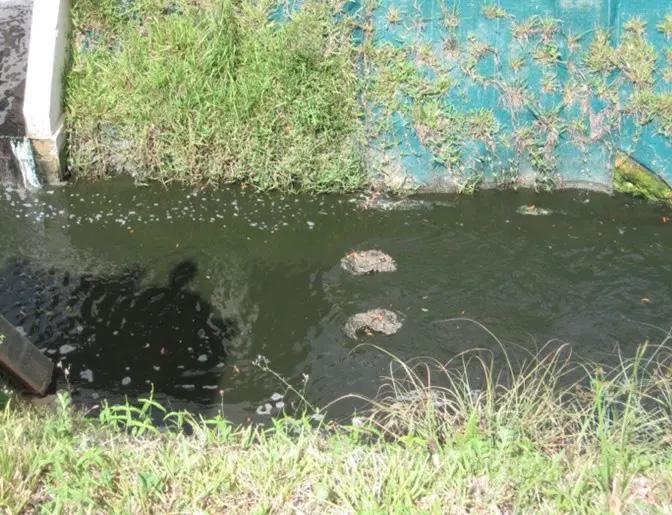
What do I see as the weaknesses? Each of the components mentioned above has its considerations and, in some instances, there is substantial controversy about what needs to change and what can change to ensure true sustainability. One very important issue is how the waste streams are handled. These differ depending upon the production paradigm.
Wastes typically are high in organic matter and come from a variety of sources, including but not limited to feed, feces and molts. The nature of the production environment impacts the nature of the waste stream. Extensive systems generate relatively small amounts of waste while the intensive systems can generate very large amounts of waste.
When wastes are returned untreated or in some instances partially treated to the environment, this can add pollutants (defined here as nutrients that support algal blooms and by products that may be toxic as they accumulate over time) which risks reducing the efficiency of the production process.
The widespread use and abuse of antibiotics, disinfectants and marketers selling pseudoscience-based products and even some well-intentioned scientists whose research suggests utility of some compounds that appear well suited based on aquarium studies all contribute to the presence of potential pollutants. Pollutants are inconsistent with sustainability especially when they are nutrients and/or persistent non-biodegradable materials.
For many species, focusing on shrimp, feed makes up a significant component of the cost of production. The inclusion of animal-based sources of protein (today fish meal makes up a significant percentage) in feeds are controversial among some groups while others are content that responsible science based, well founded ecological principles ensure that these sources are sustainable.
Fisheries are typically “regulated” athough it would be naïve to think that this means that this is always done in responsible manner. With climate change consistency will likely be elusive. Food sources for fish can change forcing populations to move. Changes in reproductive rates can influence population dynamics resulting in slower growing animals and potential overfishing. Fish meal is widely held to be an essential ingredient in feeds for farmed shrimp and for many fish. There is a great deal of interest in insect meals and other terrestrial animal meal sources (poultry).
There is solid data that supports the use of supplemented vegetable sources as being able to partially or even wholly replace fish meal. Some are skeptical about this and with recent genetic innovations, such as the lines being produced by CP, high growth rates may require the use of fish meal or other meat-based substitutes for optimization. Growing a 38 plus gram animal in less than 90 days is not the same as producing a 15gram animal in the same time frame. The scientific community must conduct solid, non-biased research under field conditions with appropriate controls to optimize feeding rations as the tonnage continues to increase overall, not just of farmed shrimp but of fish as well.
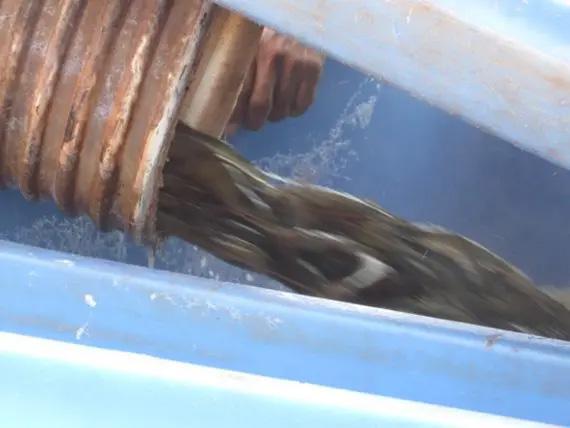
Animal health, for many, is probably the single most challenging aspect of shrimp (and fish) production.
Rearing animals under stressful conditions can result in increased susceptibility to both obligate and opportunistic pathogens. The very nature of some production paradigms in which there is a failure to control the presence of other crustaceans such as crabs as well as fish, among others, ensures that the milieu is such that pathogens can be present and even evolve. The closer animals are to each other in high density production systems, the greater the potential for pathogens to move between animals. It is important to understand the distinction between disease and pathogens.
Many pathogens can be present in healthy animals with no overt pathology being present. Disease is a pathological process by which a bac-terium, virus, toxin(s), heavy metals, poisons and/or parasites, etc. cause structural damage to an animal that result in overt changes in appearance, function and survivability. It can be chronic or acute or even transitory with animals’ immune systems dealing with the invasion and the affected animals returning to health. The mere presence of a pathogen does not mean that there will be a disease outbreak.
Some of the tools that are available to mitigate the impact of disease are vaccines-widely used in fish culture, usually against specific pathogens and non-specific immune stimulants, typically the generic cell walls of bacteria, such as LPS and PG and yeast such as the glucans in use in shrimp farming. A wide variety of the potential to assist in the control and prevention of diseases although what works in the lab does not invariably work in the field. The best approach to disease is avoidance. When this is not possible, or impractical, efforts should be made to minimize the loads of obligate pathogens and maximize the animal’s ability to tolerate exposure.
Specific Pathogen Free (SPF) animals play an important role in minimizing the presence of specific pathogens. Typically, these animals are not necessarily free of all pathogens, but certain pathogens have been eliminated from the broodstock and the manner that each life stage is produced is consistent with keeping these specific pathogens out of the production system. Eliminating all potential pathogens, as many are opportunistic, is not practical and difficult to maintain although RAS systems can be designed that minimize the potential exposure.
I do not believe that sustainability requires that there be no disease, but that the factors that contribute to susceptibility are controlled to the extent that they can be. This includes ensuring proper nutrition which varies between species and environments. It also includes keeping obligate pathogens below threshold levels and ensuring that those factors that contribute to susceptibility are minimized. Consistent massive disease outbreaks ensure non-sustainability.
Another critical element of sustainability is profitability. The market must be willing to pay enough for the product for the producer to make sufficient profit that justifies the effort. The supply chain has multiple nodes all of which must make a profit. If the production is constrained in a manner that precludes generating a profit, then the supply chain will collapse or worse develop a means to continue to operate that are unethical, immoral and/or illegal.
Some attempt to shape the way animals are produced to their own ideas and if others do not agree, they argue that this means that this lack of compliance equals unsustainability. A relatively recent issue of this nature is the admonition that ablating the eye stalk of adult shrimp to induce spawning is cruel to the animal.
There is solid data to show that the economic benefits from doing this in a manner that minimizes animal discomfort (using a hot pair of forceps to pinch the eyestalk) far outweighs the costs of not doing it. Whether or not shrimp feel pain is not central to the concept of sustainability. The point is that sustainability is less about being nice to the animals we consume than it is about developing cost effective, rational, reproducible sciencebased approaches to food production.
There are many who espouse that lab grown meat will fill this need, and we can stop eating animal flesh. I do not think that this will happen in the manner that many would have us believe. Humans are animals and driven by their animal natures. I am in no way saying that mitigation of animal cruelty is not important. However, it needs to be based on solid science and must also take into account the economic impacts and the nature of the animal being farmed.
Once there is some consensus as to what constitutes sustainability, the subsequent challenge will be to figure out how to verify that those who claim to be sustainable are in fact compliant with the consensus. Several NGOs are selling their approaches and there is, as of yet, no widespread and universal agreement that what is being advocated is indeed the path to sustainability. There are hundreds of thousands of shrimp and fish farms globally. The task of ensuring that they all are complying all the time is monumental and more than likely cannot be done economically. Driving these industries towards consolidation and vertical integration, much as has happened with farmed salmon, will be challenging.
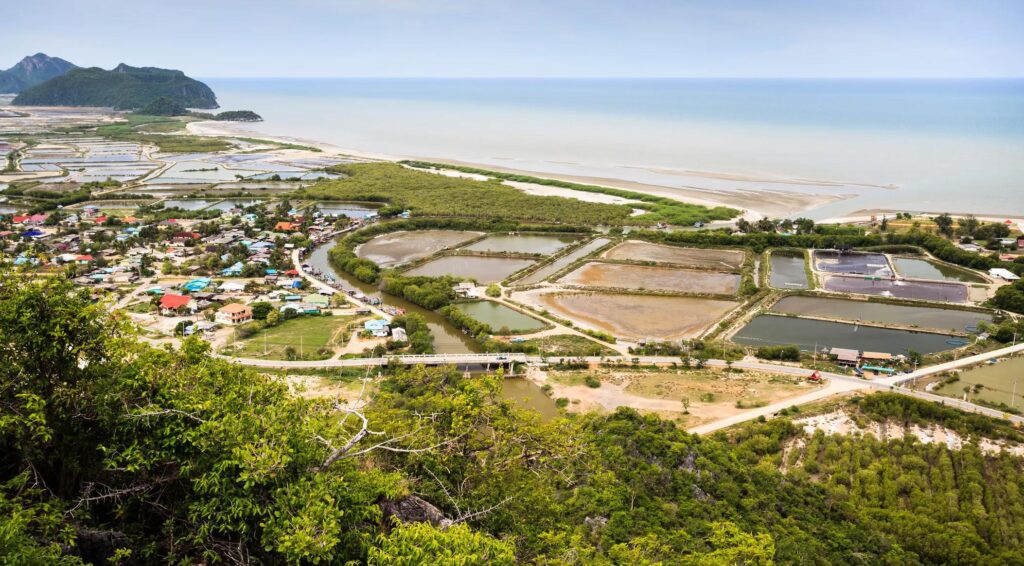
The one subject that I have not broached is that of corruption. It is unfortunate but this is an aspect of many countries that farm shrimp. Some companies and in some instances government officials, including regulators, readily accept compensation for the use of products. This is a huge impediment to sustainability and until it is history, there is little hope that even if all the other criteria are met that one would be able to consider the industry sustainable.
In conclusion, there does not seem to be a universal agreement as to what constitutes sustainability. Economic considerations play an important role in driving this as sustainable practices must also ensure prof-
itability. Trying to make a “perfect” system may drive costs up resulting ultimately in a reduction in demand. Seafood produced by aquaculture may become a luxury item beyond the financial wherewithal of the average consumer in countries that rely heavily on imported seafood.

* Stephen G. Newman has a bachelor’s degree from the University of Maryland in Conservation and Resource Management (ecology) and a Ph.D. from the University of Miami, in Marine Microbiology. He has over 40 years of experience working within a range of topics and approaches on aquaculture such as water quality, animal health, biosecurity with special focus on shrimp and salmonids. He founded Aquaintech in 1996 and continues to be CEO of this company to the present day. It is heavily focused on providing consulting services around the world on microbial technologies and biosecurity issues.
sgnewm@aqua-in-tech.com www.aqua-in-tech.com
ww.bioremediationaquaculture.com
www.sustainablegreenaquaculture.com.