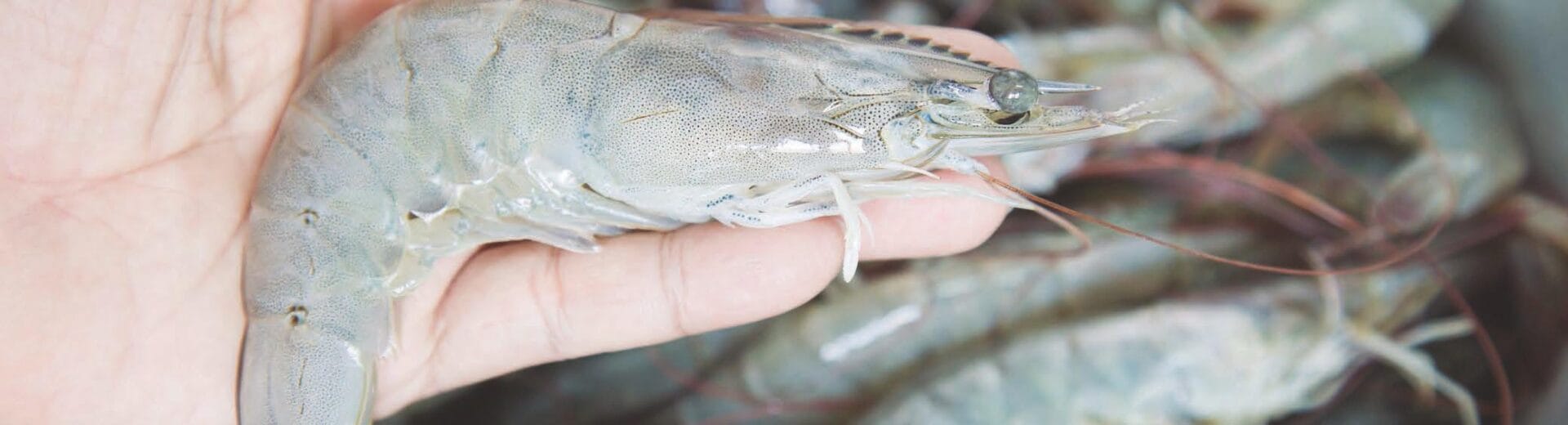
The causative agent of acute hepatopancreatic necrosis disease (AHPND) is the bacterium, Vibrio parahaemolyticus, which secretes toxins into the gastrointestinal tract of its host. V. parahaemolyticus toxins A and B (PirAvp/PirBvp) have been implicated in the pathogenesis of this disease, and are, therefore, the focuses of studies developing treatments for AHPND. We produced and tested recombinant antibodies based on the...
White shrimp production units are commonly affected by diseases entailing high morbidity and mortality rates, such as BMS. In this framework, this study aimed to estimate the genotype-by-environment interaction for and survival to harvest (SH) in the presence and absence of white spot syndrome (WSS) in two genetic lines of Litopenaeus vannamei. Although the linear model suggests a genotype-by-environment interaction,...
The condition described as monodon slow growth syndrome (MSGS) has been reported from many countries. Though not leading to mortality, retarded growth at the pond level results in significant economic losses. This review focused on several key syndromic conditions that the sector is facing and discuss how new approaches to detection and description of (particularly) syndromic conditions are both now...
Shrimp farming has been widely criticized for excessive use of various resources and especially for coastal wetlands as farm sites. The purpose of this study was to assess the amounts of land, water, energy in fuels, and wild fish for fishmeal and fish oil in feeds required per ton of harvested, farmed shrimp in five countries producing most of the...
Fulfilling the potential of aquaculture to contribute positively to food system transformation will require better accounting of the environmental performance of different types of production systems, and interventions that facilitate upscaling of aquatic farming to support sustainable diets. We contend that the existing literature overlooks large ‘‘performance gaps’’ in existing conventional aquaculture systems, especially freshwater pond systems, that could be...
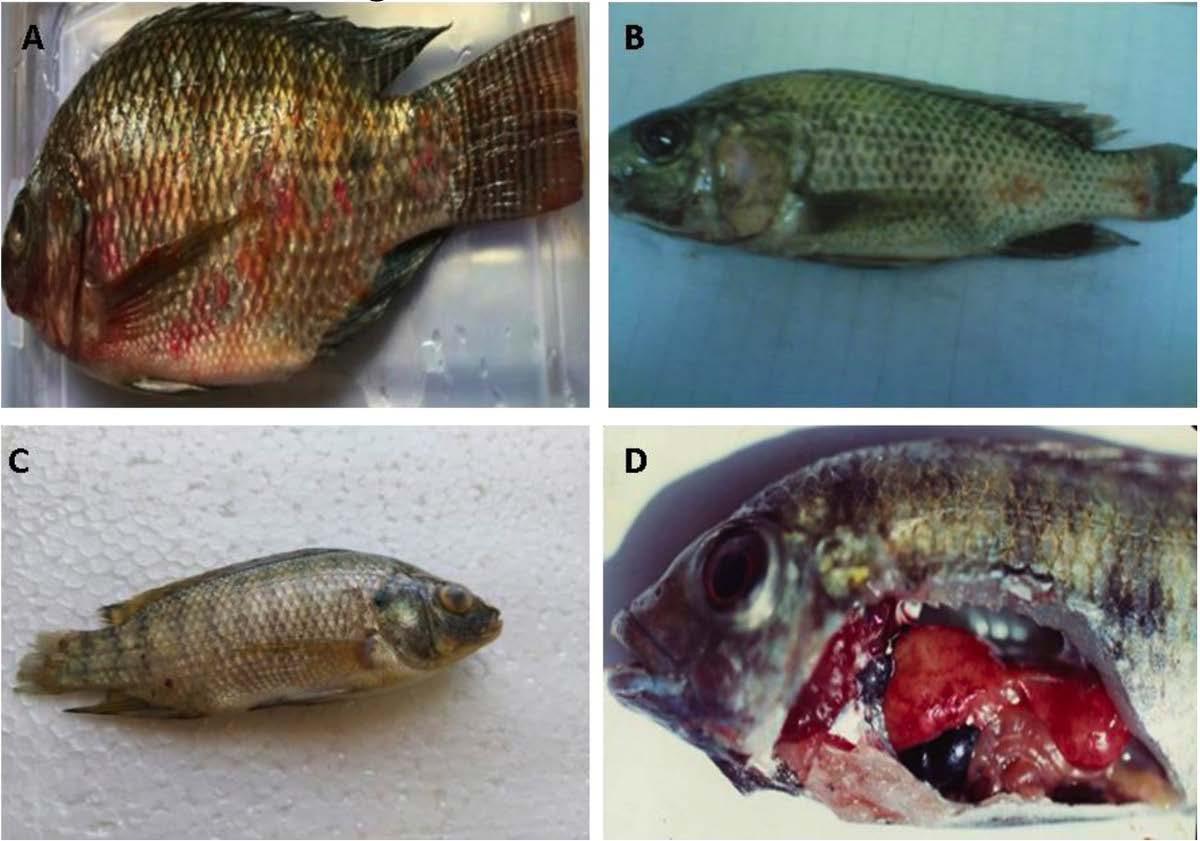
Infection in Nile tilapia Farms with Emphasis on its Effect on Growth Performance. Pseudomonas aeruginosa is a G-ve bacterium causing diseases threat the animals, poultry and fish resources. Extracts of plants or their by-products contain some exclusive compounds that can be effective as chemotherapists and vaccines. The yucca has been suggested suitable for water quality management in aquaculture systems. In...