
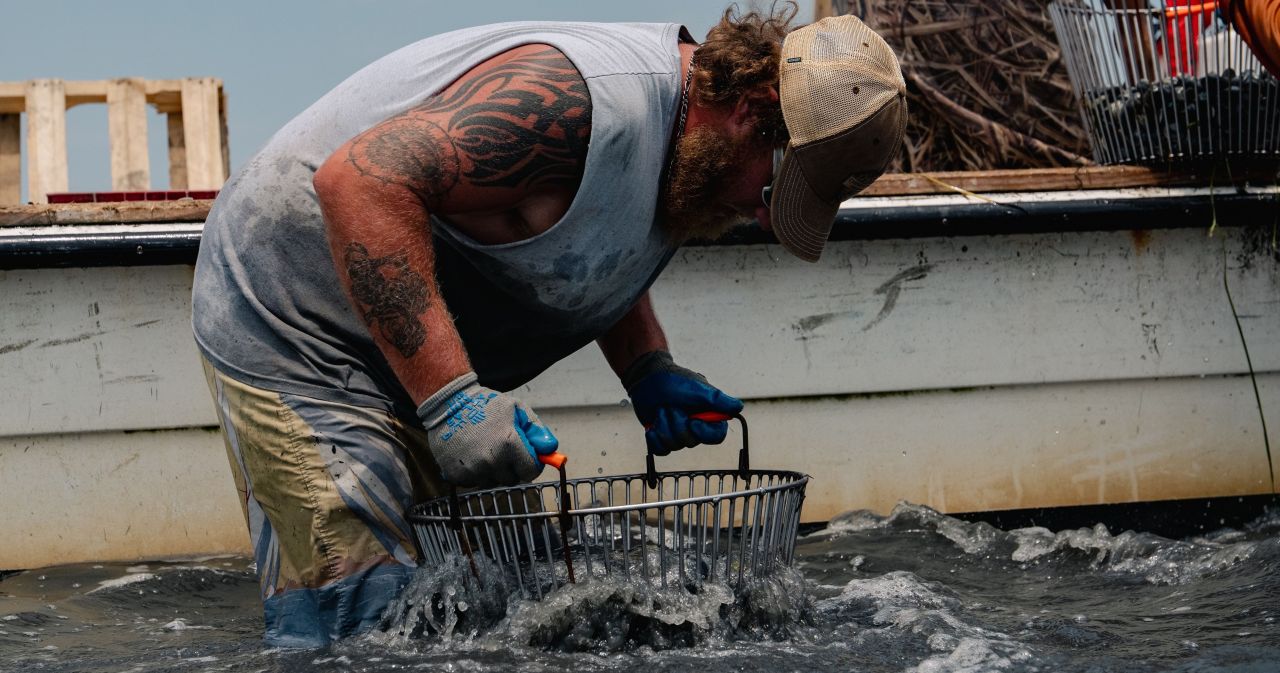
Cherrystone Aqua-Farms, the largest producer of hard-shelled clams (Mercenaria mercenaria) in the United States (US) and a major local producer of Eastern oysters (Crassostrea virginica), announced that has earned the Best Aquaculture Practices (BAP) certification from the Global Seafood Alliance (GSA) for its farms across Virginia’s Eastern Shore. The company, is now the first shellfish farm on the East Coast of the country and the first hard clam farm in the United States to complete the rigorous BAP certification process.
For a fifth-generation, family-led company, the milestone proves that responsible aquaculture can scale, endure, and still raise the bar; an achievement rooted in history and forward thinking.
“This certification reflects how we’ve chosen to operate, day in and day out,” said Tim Rapine, Chief Operating Officer of Cherrystone Aqua-Farms. “We believe responsible farming, healthy waterways, and exceptional shellfish all go hand in hand; BAP confirms that approach.”
“It Didn’t Happen Overnight”
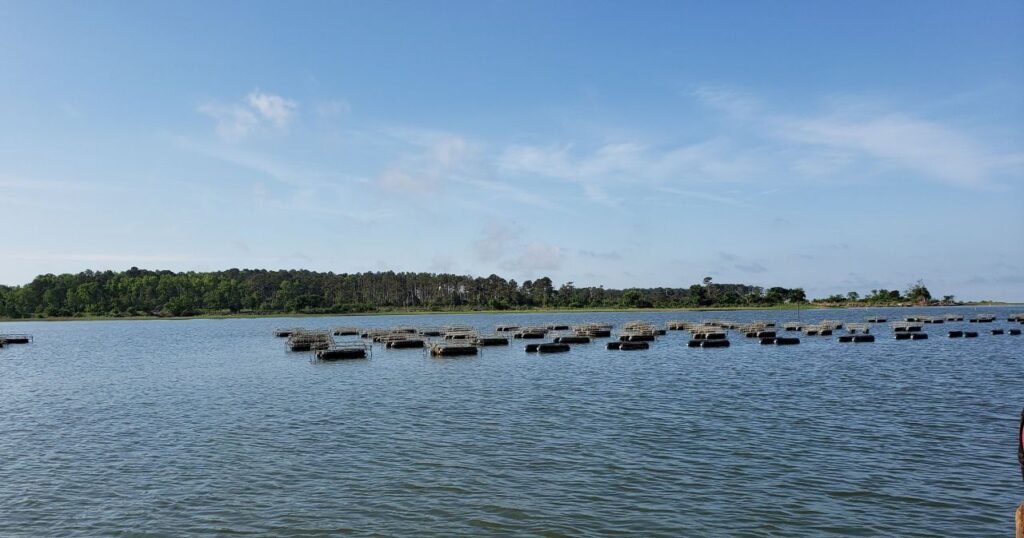
From pioneering wet storage technology to becoming the first hard clam farm in the nation achieving BAP certification, Cherrystone continues to prove that tradition and innovation are not opposites, but partners. That partnership is only possible with people dedicated to their coexistence. Years of company-wide preparation from Cherrystone’s team culminated in a multi-day, on-site evaluation of farming locations spanning 9,000 acres of farm sites on the bayside and seaside of Virginia’s Eastern Shore.
“BAP certification reflects the values our company was built on, but it didn’t happen overnight” noted Chad Ballard, President of Cherrystone Aqua-Farms. “None of this is possible without the dedicated people behind the work; a team that shows up daily with a deep respect and understanding for the waterways we farm and the responsibility we bear for having that privilege. That commitment is what makes milestones like this possible.”
Tradition and Innovation, Not Opposites
With its storied past working the waterways of Virginia’s Chesapeake Bay, Cherrystone understands that stewardship is an integral part of survival. They witnessed firsthand the decline of wild oyster populations throughout the Chesapeake from the 1950s through the 1970s due to disease and overharvesting. A period that fundamentally reshaped clam and oyster production in the mid-Atlantic, pushing toward farm-raised shellfish and reinforcing a core belief: sustainability isn’t optional if you value longevity.
Today, they say, Cherrystone’s leadership continues to prioritize long-term viability over short-term gains, investing in systems, practices, and certifications that protect both product quality and the ecosystems that support it. “BAP certification is a natural extension of that thinking: an independent, third-party confirmation that Cherrystone’s farming practices protect water quality, ensure accountability, and produce high-quality shellfish without borrowing from the future,” they assured.
For them, BAP is the world’s most comprehensive aquaculture certification program, holding farms to strict standards across environmental responsibility, food safety, traceability, animal welfare, and operational integrity.
Innovation has long been a defining feature of Cherrystone’s story. More than a decade ago, the company committed to producing grit-free clams, investing in a state-of-the-art wet storage system. This continuous-flow system uses filtered, natural seawater from their main harvest location, allowing clams to naturally purge sand while maintaining freshness, quality, and traceability.
A Fifth-Generation Company
Cherrystone Aqua-Farms is a subsidiary of Ballard Fish & Oyster, a fifth-generation company headquartered in Cape Charles, Virginia. Its portfolio includes pasta, littleneck, middleneck, and topneck hard clams, along with a diverse lineup of cultured oyster brands. According to them, one commonality between species, sizes, and brands is they’re raised with “intention, accountability, and an eye toward the next generation, not just the next harvest.”