
Aquaculture company Bakkafrost has been named in the Corporate Knights 2026 Global 100 list, the annual ranking of the world’s most sustainable companies. In the 2026 Global 100, the Faroese salmon farming company based in Glyvrar is ranked 83rd worldwide and 2nd in the Food and Beverage Manufacturing Group. The Global 100 list is compiled by the research and media company Corporate Knights and was published at the annual World Economic Forum meeting in Davos, celebrated some days ago.
Inclusion in the 2026 Global 100 reflects continued, organization-wide work to strengthen sustainable performance across operations and the value-chain. The list highlights sustainable performance and reflects Bakkafrost‘s strategy of ensuring that every part of the value chain meets the highest international standards for sustainability and transparency. Bakkafrost aims to use resources responsibly, minimize environmental impact, respect people, and create value for stakeholders and society.
The Corporate Knights Global 100 is an annual ranking of the world’s 100 most sustainable companies. It assesses publicly traded companies with revenues above USD 1 billion and highlights measurable performance linked to companies’ products and services. The 2026 Global 100 list is available on Corporate Knights’ website: 2026 Global 100 list
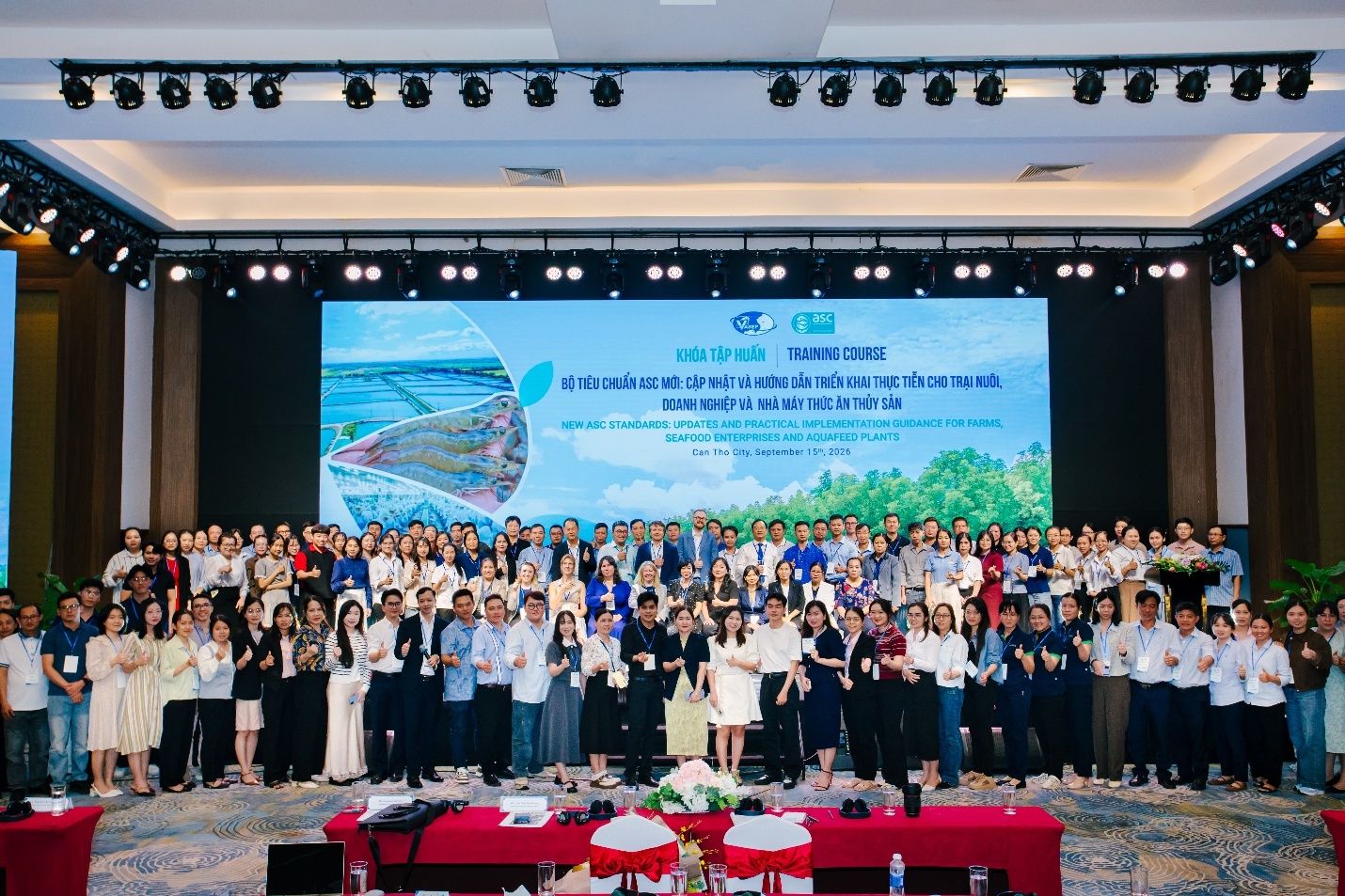
Havsbrún Achieved ASC Feed Standard Certification
In recent news from Bakkafrost, they shared a significant milestone in their sustainability journey: Havsbrún’s feed production facility was officially certified to the Aquaculture Stewardship Council (ASC) Feed Standard.
For the company, this certification reflects their ongoing commitment to responsible feed production and sustainable aquaculture practices. The ASC Feed Standard establishes strict requirements for both environmental and social responsibility across the entire feed supply chain – from sourcing raw materials to production and traceability.
The members of Bakkafrost assure that “sustainability is at the core of everything we do. This achievement is a key step toward our company strategy: to have all our salmon ASC-certified, ensuring that every part of our value chain meets the highest international standards for sustainability and transparency.
For Regin Jacobsen, CEO of Bakkafrost, “this certification of Havsbrún is a major step towards our goal of having all our salmon ASC-certified. It demonstrates the strength of our integrated value chain and our commitment to responsible aquaculture – from feed to fork.”
Havsbrún, a key part of the Bakkafrost Group, produces high-quality feed for our salmon, playing a central role in supporting a sustainable food system from feed to fork. According to Bakkafrost, the ASC certification demonstrates Havsbrún’s leadership and commitment to advancing the sustainability of aquaculture feed globally.
Let’s remember that the ASC Feed Standard is an internationally recognized benchmark developed in collaboration with experts, NGOs, and industry leaders. It sets rigorous criteria to ensure feed producers operate responsibly – minimizing environmental impacts, protecting biodiversity, and ensuring fair working conditions.
Record Biology
The Bakkafrost Group delivered a total operational EBIT of USD 3.47 million (USD 27.31 million) in Q3 2025. Commenting on the result, Jacobsen said: “We are not satisfied with the financial results in this quarter, which were impacted by weak market prices and continued high global supply. However, we are very pleased with the exceptionally strong biological performance in the Faroe Islands.”
“Our farming operations delivered record survival, strong growth, and the best biological results ever achieved in Bakkafrost’s history. Importantly, farming costs in the Faroe Islands continue to decline – down 12% year-on-year in Q2 and down a further 14% in Q3 – reflecting the impact of excellent biology, efficient farming, and disciplined operations,” he added.
“Despite financial headwinds this Q3, the strong biological foundation across the Group positions Bakkafrost well for the future. Our priorities remain unchanged – to strengthen biological control, maintain cost discipline, and deliver sustainable long-term value through operational excellence,” he commented.