
By FAO
Women aquaculture professionals from eight Mediterranean and Black Sea countries completed an advanced training programme aimed at strengthening their leadership and investment readiness within a rapidly evolving aquatic food sector.
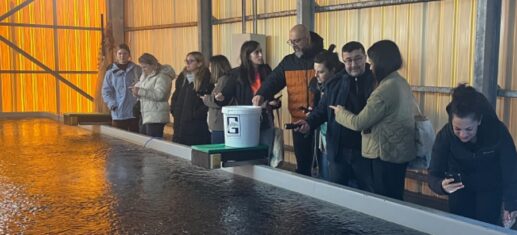
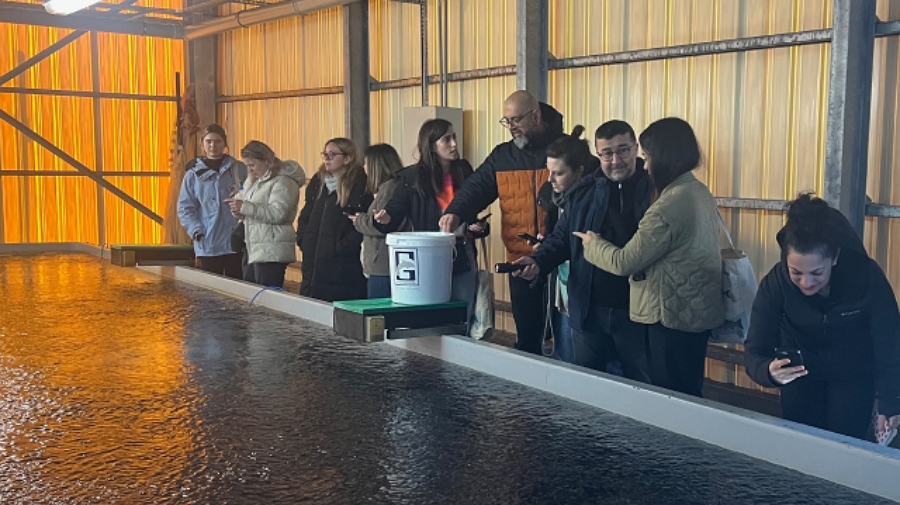
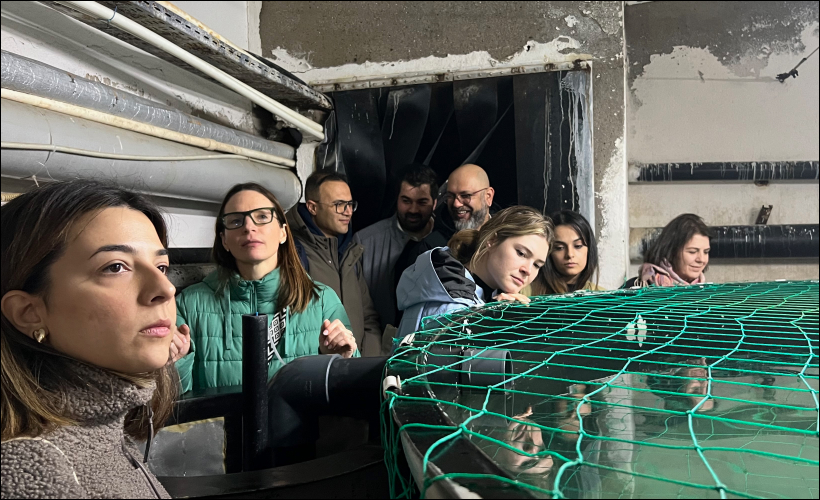
The 2026 edition of the Women in Aquaculture training series was hosted in İzmir, Türkiye on 19–21 January. The program combined technical site visits with peer exchange and expert input, enabling participants to analyze different operational and business models and to better understand how investment, innovation and sustainability interact in practice.
The program focused on investment readiness, targeting women active across aquaculture value chains who are seeking to scale operations, improve financial viability, and navigate increasingly complex production and regulatory environments. Participants included aquaculture entrepreneurs, farm and hatchery managers, operations and production managers, processors, researchers and public sector professionals, reflecting the diversity of women-led roles across the region.
By the end of the program, participants reported increased confidence in evaluating investment opportunities, a clearer understanding of how technical and operational choices affect financial viability and the identification of concrete next steps for business development and collaboration.
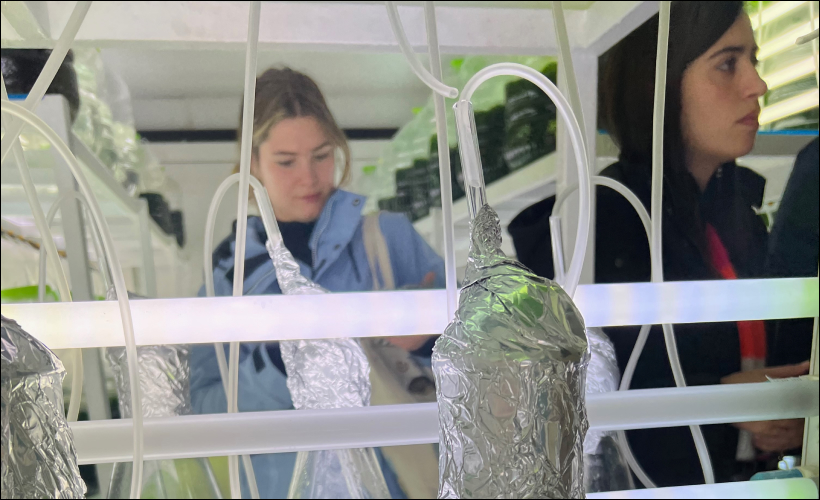
Participants highlighted the value of hands-on site visits, which helped translate theory into practical experience and showcased the diversity of roles and career paths within the aquaculture sector. Participants also noted that the opportunity to directly observe and sample products during the visits helped demonstrate the high-quality taste and presentation standards achieved by women-led processing companies, reinforcing the importance of value addition and market positioning.
“Seeing different companies and women-led businesses first-hand made the training especially meaningful,” noted one participant.
“The training was a truly valuable and inspiring experience, both professionally and personally,” said another participant. “Sharing experiences and perspectives with other women in the aquaculture sector created an empowering environment and strong collective energy.”
Beyond individual skills development, the program strengthened peer exchange among women professionals from across the Mediterranean and Black Sea region, supporting the development of networks for continued collaboration.
Turning Regional Collaboration into Practical Training Outcomes
This workshop, organized by the General Fisheries Commission for the Mediterranean of the Food and Agriculture Organization of the United Nations, in partnership with the Federation of European Aquaculture Producers (FEAP), with the involvement of FEAP member Aegean Exporters’ Associations and with the support of the European Union, is part of an ongoing series of training series, with previous editions held in Tunisia, Greece and Spain.
“This training goes beyond technical skills. It reflects the commitment of GFCM Members and partners -particularly FEAP- not only to recognize the role of women in aquaculture, but also to turn this commitment into concrete actions that strengthen their contribution to the blue economy,” said Houssam Hamza, GFCM Aquaculture Officer.
The series aims to strengthen technical skills, facilitate the exchange of knowledge and experience, and build a professional network among women active in Mediterranean and Black Sea aquatic food systems. This network-building dynamic contributed to the creation of the Network of Women in Aquaculture, an initiative dedicated to promoting gender equality and inclusivity across the global aquaculture sector.
Why This Matters for the Region
Aquatic food systems in the Mediterranean and the Black Sea produce more than 2 million tons of food annually, generating USD 21.5 billion and supporting 1.17 million jobs along the value chain. Aquaculture relies on over 35,000 enterprises, most of them small- and medium-sized, and accounts for more than 45 percent of total aquatic food production in the region.
Women represent 29 percent of jobs across fisheries and aquaculture value chains. At the same time, aquaculture is expected to play an increasingly central role in meeting future food demand, with regional production needing to grow by 14 – 29 percent by 2050 to keep pace with population growth.
In this context, strengthening women’s leadership and investment readiness is increasingly recognized as critical for improving sector resilience, supporting sustainable growth, and ensuring that small- and medium-sized enterprises can adapt to challenges linked to climate change, disease, evolving technologies and regulatory complexity.
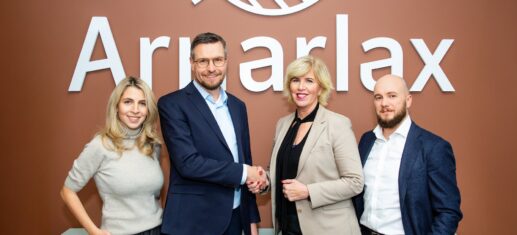
All images were provided by ©FEAP.
The United Nations declared 2026 the International Year of the Woman Farmer (IYWF 2026). The Year will spotlight the essential roles women play across agrifood systems, from production to trade, while often going unrecognized. Women farmers are central to food security, nutrition and economic resilience. The International Year of the Woman Farmer will raise awareness and promote actions to close the gender gaps and improve women’s livelihoods worldwide.
About the GFCM
The GFCM is a regional fisheries management organization operating under the framework of FAO, whose competence extends over all marine waters of the Mediterranean and the Black Sea. Its main objective is to ensure the conservation and the sustainable use of living marine resources, as well as the sustainable development of aquaculture.
GFCM Members include 24 contracting parties (Albania, Algeria, Bulgaria, Croatia, Cyprus, Egypt, European Union, France, Greece, Israel, Italy, Lebanon, Libya, Malta, Monaco, Montenegro, Morocco, Romania, Slovenia, Spain, Syrian Arab Republic, Tunisia, Türkiye, Ukraine) and five cooperating non-contracting parties (Bosnia and Herzegovina, Georgia, Jordan, Moldova, Saudi Arabia).