


By The Center of Aquaculture Technologies
The Center of Aquaculture Technologies (CAT), a global leader in sustainable genetic innovation for aquaculture, today announced the signing of an exclusive licensing agreement with the University of Maryland, Baltimore County (UMBC) covering two patents related to the induction of sterility in finfish using Morpholinos. This strategic collaboration strengthens CAT’s intellectual property portfolio and further backs their strategy in bringing responsible genome editing solutions to aquaculture.
There are many reasons to produce animals that do not undergo sexual maturation, reasons that align closely with the core goals of the aquaculture industry. Sterility in farmed fish offers benefits across performance, environmental protection, and animal welfare:
Why Sterility Matters
- Improved Performance – Sterile fish avoid early sexual maturation, enhancing growth rates and feed conversion efficiency, reducing production costs, and minimizing waste.
- Environmental Protection – Sterility safeguards the distinctive traits of wild populations, protecting biodiversity and supporting balanced ecosystems. This also addresses regulatory concerns with fish escapes from aquaculture production systems.
- Animal Welfare – By reducing stress and aggression associated with sexual maturation, sterile fish experience improved health and lower mortality rates.
“CAT is committed to advancing Next-Gen Breeding solutions that combine scientific innovation with environmental and economic responsibility,” said Dr. John Buchanan, CEO of CAT. “Our partnership with UMBC allows us to bring further pioneering sterility technology closer to commercial reality, supporting healthier fish, stronger ecosystems, and more efficient production systems. With a growing global population to feed, sustainable aquaculture solutions have never been more critical, and genome editing, underpinned by sterility, is a key part of that future.”
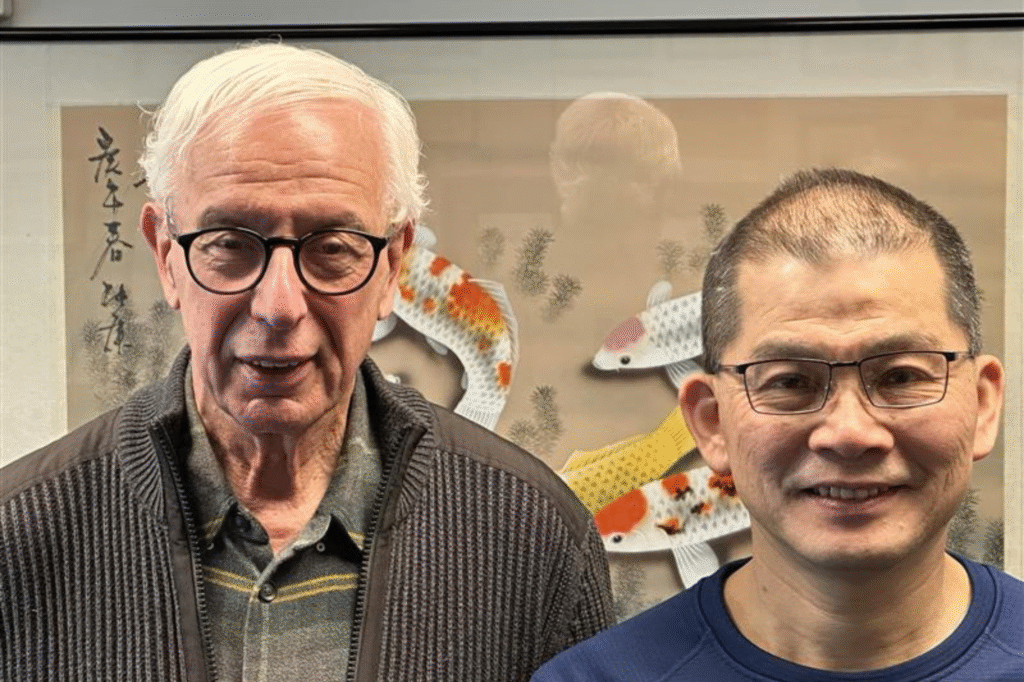
Commenting on the signed agreement Dr. Yonathan Zohar, Professor at UMBC and Chair of the Department of Marine Biotechnology at IMET shared, “We are pleased to be working with CAT to advance the development of sterility technology in aquaculture. This collaboration, including a sponsored research agreement, aims to improve sterility success rates in Atlantic salmon, with potential applications across all finfish species. Our partnership with CAT will enable us to achieve 100% sterility and bring this technology to the aquaculture industry.”
Ten-Tsao Wong, Associate Professor adds; “Morpholinos have been approved by the FDA for human medicine and are being used to treat Duchenne muscular dystrophy (DMD). This new agreement with CAT can accelerate our efforts to expand this technology to produce sterile fish. We look forward to collaborating with CAT to bring this technology to market.”
Morpholino sterility induction silences genes critical for germ cell development in fish embryos through bath immersion. The fish grow normally but are sterile, avoiding the negative effects of early sexual maturation on growth, flesh quality, and survival. Unlike other methods like triploidy, this approach preserves high-performance genetics while addressing animal welfare concerns.
John concludes,
“The Morpholino technology complements our genome editing solutions for sterility by offering a quick and flexible alternative. It can be used in situations where sterility is urgently needed, and while the introduction of sterility through genome editing into a breeding population is still in progress. For example, in salmonids, where breeding cycles are longer, this technology provides a timely option.
Additionally, our Morpholino technology will be made available in situations where genome editing is not being used. Sterility is a critical issue for the aquaculture industry, and this gives us another reliable tool that we can call on.”
About the Center for Aquaculture Technologies (CAT)
Center for Aquaculture Technologies (CAT) is at the forefront of genetic innovation in the aquaculture industry. We deliver tailored genetics solutions that drive value, uphold sustainability for our clients, and help them scale up. We offer a full range of genetic services, including an integrated Next-Gen Breeding™ strategy that combines genome editing, genotyping, and selective breeding to unlock the full potential of aquaculture.
h ttps://aquatechcenter.com/
About UMBC and the Institute of Marine and Environmental Technology (IMET)
The University of Maryland, Baltimore County (UMBC) is a leading research university known for innovation and excellence in science and technology. The Institute of Marine and Environmental Technology (IMET) advances marine biotechnology and environmental research, translating scientific discoveries into solutions that benefit society, industry, and the environment. IMET’s Department of Marine Biotechnology focuses on sustainable aquaculture, fisheries management, and cutting-edge genetic research to improve aquatic health and productivity.