



*By Aquaculture Magazine Editorial Team
From fishmeal dependence to molecular nutrition, aquaculture has transformed over two decades, tripling production while cutting feed ratios. Today, the sector faces the challenge of sustainable growth: replacing scarce ingredients, reducing emissions, and harnessing biotechnology. The future lies in precision diets, innovative proteins, and AI-driven solutions for global food security.
Over the last two decades, aquaculture has achieved major advances in precision feeding and farming technology boosting production from 42 million tons in 2002 to 130.9 million tons in 2022. Since feed represents nearly two-thirds of production costs, improved nutritional knowledge has been essential. Feed conversion ratios have dropped from 1.8–3 to 1.2–1.8, reflecting greater efficiency.
Traditionally dependent on fishmeal and fish oil, the sector has diversified toward animal byproducts and plantbased ingredients, with fish-derived inputs often reduced to below 10% in grower diets and reserved mainly for hatchery, broodstock, and finishing phases.
Global aquaculture is projected to grow another 10% by 2032, heightening the deficit of sustainable feed ingredients. Although the share of fishmeal and fish oil has declined, absolute consumption continues to rise. The FAO’s Blue Transformation Roadmap emphasizes sustainable growth, reduced reliance on animal-derived proteins, and lower emissions.
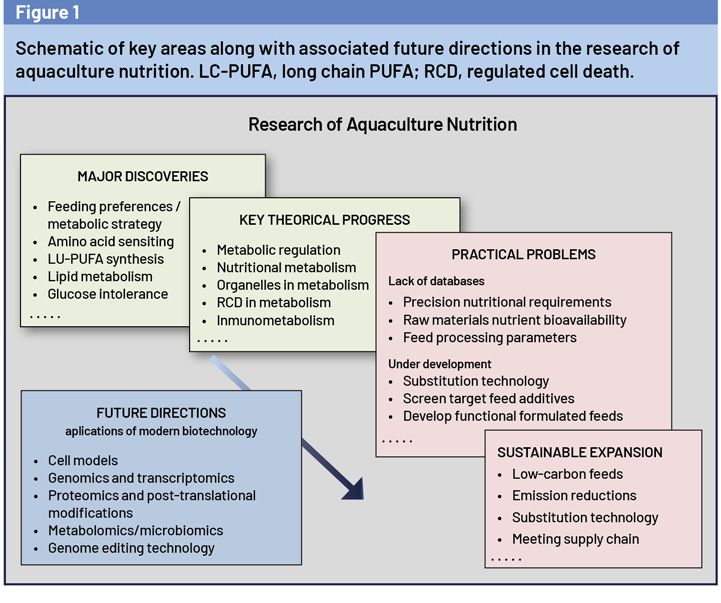
Meeting these goals will require optimizing species-specific nutrition, improving digestibility of alternative ingredients, and minimizing waste, ensuring aquaculture’s sustainable expansion. The article reviews recent advancements, challenges, and potential biotechnological applications in aquaculture nutrition (Figure 1) within the broader context of key findings in the field.
Major Discoveries in Aquaculture Nutrition in the Recent Decades
A comprehensive understanding of fish metabolism has been central to advancing aquaculture nutrition, improving feed conversion, and developing more precise diets. While nutritional theories from terrestrial animals have provided a foundation, key differences in anatomy, physiology, and metabolism in aquatic species have necessitated specific discoveries that now guide the field.
Genetic mechanisms of feeding preferences
Recent studies revealed that taste receptor genes regulate feeding behavior in teleosts. The umami receptor gene taste 1 receptor member1 (T1R1) influences acceptance of plant-based proteins in zebrafish, while Taste 1 receptor member 3 (Tas1r3) has been linked to carnivorous preferences in other species. Manipulating these genes alters both feeding behavior and metabolic strategies, opening possibilities for genetic approaches to reduce reliance on high-protein, lipid-rich diets.
Amino acid sensing pathways
Fish use the mechanistic target of rapamycin (mTOR) pathway to sense amino acid levels and the general control nonderepressible 2 (GCN2) pathway to detect amino acid balance. This dual mechanism helps regulate protein metabolism, particularly relevant as plant proteins with imbalanced amino acid profiles replace fishmeal. Bioactive compounds such as phosphatidic acid or leucine derivatives can enhance protein synthesis efficiency under conditions improving feed conversion and sustainability.
Lipid metabolism and PUFA synthesis
One breakthrough was identifying Δ4 fatty acyl desaturase activity in marine fish, revealing a novel pathway for long-chain polyunsaturated fatty acids (PUFA) synthesis. This discovery highlights opportunities for synthetic biology to reduce dependence on fish oil. Research in large yellow croaker also identified regulators of lipid accumulation, including Perilipin 2 (PLIN2), long-chain noncoding Ribonucleic Acids (RNAs), and pathways linking Docosahexaenoic Acid (DHA) to reduce inflammation. A database linking feed fatty acid profiles to tissue composition now supports predictive dietary strategies.
Nutritional immunology and vitamin D
Vitamin D has been found to modulate intestinal immunity by altering gut microbiota metabolites, which regulate IL-22 and antimicrobial peptide expression. This positions vitamin D as a key factor in precision nutrition strategies for disease resistance in aquaculture.
Glucose metabolism and insulin receptors
Fish are traditionally considered glucose intolerant, but recent work on insulin receptors revealed divergent physiological roles. Loss of both receptors caused severe hyperglycemia, while individually they promoted different metabolic outcomes: receptor “a” enhancing lipid synthesis from glucose, and receptor “b” promoting lipolysis and protein synthesis via growth hormone signaling. These findings suggest potential for genetic or nutritional interventions to improve carbohydrate utilization.
Collective impact
Together, these discoveries mark a shift in aquaculture nutrition from focusing solely on feed composition and growth rates toward molecular and cellular insights into metabolism. Though many findings remain at the experimental or translational stage, they provide critical foundations for sustainable practices, reducing reliance on animal-derived ingredients, and improving efficiency while minimizing environmental impacts. By linking genetics, nutrient sensing, lipid biology, immunology, and carbohydrate metabolism, aquaculture nutrition research is positioned to support the next generation of sustainable feed strategies.
Key Theoretical Progress in Aquaculture Nutrition
Aquaculture nutrition research began in the 1950s, with Halver’s pioneering studies in 1957 marking the field’s formal inception. Since then, requirements for proteins, amino acids, lipids, fatty acids, carbohydrates, vitamins, and minerals have been established for species such as Atlantic salmon, common carp, rainbow trout, large yellow croaker, and Japanese flounder. Traditionally, these studies relied on growth performance, feed efficiency, and enzymatic parameters, but in the past two decades, molecular and cellular biology tools have elevated the field to “molecular nutrition,” enabling improved growth, health, and product quality.
Genes and proteins in nutritional metabolism
A key advance has been identifying genes and proteins that regulate nutrient metabolism. Teleost fish, due to a third genome duplication, exhibit unique regulatory mechanisms and novel genes compared to mammals. For instance, while mammals have three carnitine palmitoyltransferase I (CPT I) isoforms, fish possess multiple CPT I variants, as shown in seabream and yellow catfish. Similarly, fish retain extra retinoid X receptor (RXR) paralogs, with yellow catfish expressing five subtypes. Such duplications highlight the complexity of teleost metabolism but also leave gaps in functional characterization.
Multilevel regulation of metabolism
Nutrient metabolism in fish is controlled at transcriptional, translational, and posttranslational levels, with post-translational modifications (PTMs) such as phosphorylation, acetylation, and ubiquitination modifying protein function. Proteins can undergo multiple PTMs simultaneously, adding regulatory complexity. Eluciating these mechanisms is vital for precision nutrition strategies.
Organelle interactions
Organelles — including Endoplasmic Reticulum (ER), mitochondria, and lipid droplets (LDs) — are central to nutrient metabolism. The ER interacts extensively with mitochondria and LDs, facilitating lipid and calcium exchange. Dysregulation of ER–mitochondria contacts contribute to insulin resistance in obesity. In fish, ER stress influences lipid metabolism and induces hepatic steatosis. LD–mitochondria crosstalk mediates high-fat diet effect, while mitochondrial dysfunction enhances ROS production and lipid oxidation, promoting insulin resistance. Despite progress, more research is needed on these dynamic organelle networks.
Regulated cell death
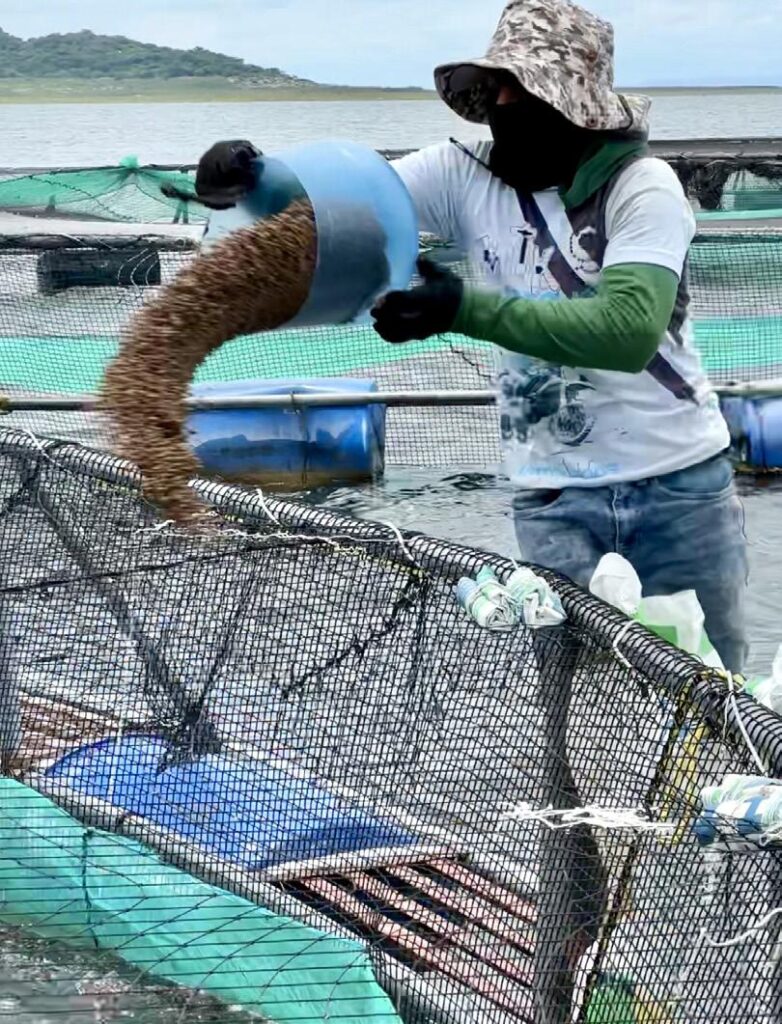
Aquatic studies have shown how apoptosis, autophagy, lipophagy, and ferroptosis regulate metabolism. For instance, ER stress-induced autophagy alleviated triglyceride accumulation in yellow catfish, while zinc-activated lipophagy reduced lipid deposition. Ferroptosis, linked to iron overload and lipid peroxidation, has been associated with metabolic disorders and stress responses in fish. Targeting regulated cell death (RCD) pathways offers potential strategies for metabolic disease control.
Immunometabolism
The interplay between metabolism and immune responses — termed immunometabolism — has emerged as a crucial field. Studies in large yellow croaker macrophages revealed palmitate-induced inflammation mediated by lysophosphatidylcholine acyltransferase 3, DHA’s protective effects, and low-density lipoprotein (LDL) regulation of lipid metabolism. These findings highlight how dietary nutrients can modulate immune– metabolic crosstalk, though broader disease-related mechanisms remain underexplored.
Precision nutrition
As summarized in Nutrient Requirements of Fish and Shrimp (NRC, 2022), nutrient demands of cultured species are well documented. However, reliance on fishmeal and fish oil has increased costs, spurring the search for plantand animal-based alternatives. Current farming practices, genetic improvements, and environmental pressures demand a revision of nutrient requirements.
In China, with >300 cultured species and diverse environments, achieving precise nutrition is especially challenging. Between 2018 and 2022, the Ministry of Science and Technology launched a major project on Precise Nutrition and Metabolic Regulation of Aquatic Economic Animals, producing new requirement parameters and regulatory targets. These efforts underscore precision nutrition as essential for sustainable aquaculture.
Practical Problems in Aquaculture Nutrition
Feed remains the most important input in aquaculture and a limiting factor for animal health. Formulated diets, made from blends of raw materials, have supported the growth of the industry, but many practical challenges remain that hinder sustainable feed development and application.
Databases for precision nutrition
Nutritional requirements vary by species, developmental stage, physiology, and environmental conditions. A comprehensive, dynamic database of nutritional requirements has not yet been established, leaving gaps in formulating precise diets. Similarly, data on the bioavailability of nutrients in feedstuffs are incomplete. Since protein is the costliest ingredient, more systematic evaluations of nutrient content, digestibility, and utilization rates are urgently needed.
Feed processing parameters
Processing technologies such as extrusion strongly affect nutrient stability, digestibility, and water stability. Thermo-sensitive nutrients are easily lost, making it essential to refine parameters like particle size, pressure, and drying time. Establishing real-time monitoring systems and standardized databases for processing parameters would improve feed quality and consistency across species and environments.
Fishmeal replacement
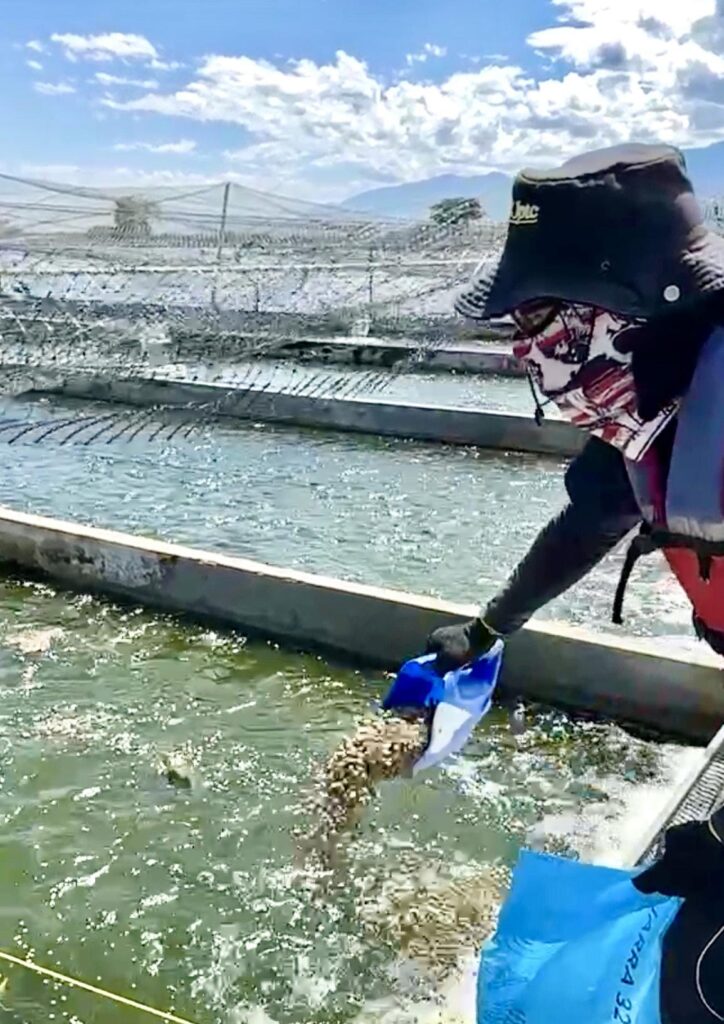
Fishmeal, long the cornerstone of aquafeeds, is increasingly scarce and expensive. Alternatives include animal proteins (insect meal, meat and bone meal, poultry byproducts), plant proteins (soybean, corn, cottonseed, rapeseed), and single-cell proteins (microalgae, yeast). Strategies such as nutrient balancing and multi-source blending have reduced fishmeal dependency, but further development is needed to achieve cost-effective, zero-fishmeal diets without compromising growth, health, or product quality.
Plant protein utilization
While plant proteins offer economic benefits, antinutritional factors, poor digestibility, and imbalanced nutrient profiles limit their efficiency. Technologies such as fermentation, enzymatic hydrolysis, breeding for low antinutritional factors (low- ANF) varieties, and supplementation with functional feed additives are improving utilization. For example, fermentation of rapeseed meal has increased digestibility and reduced antinutritional compounds, making it a more viable protein source.
Functional feed additives
Functional ingredients like taurine, glutamine, bile acids, carotenoids, polyunsaturated fatty acids, and plant extracts enhance growth, immunity, and feed efficiency. They are especially valuable in high-quality, low-fishmeal feeds, reducing costs while supporting animal health. Careful selection of functional feed additives (FuFAs) based on efficacy and availability is essential for commercial application.
Functional and fermented feeds
Beyond meeting basic requirements, functional feeds aim to regulate metabolism, enhance stress tolerance, and improve product quality. Materials such as krill meal, insect proteins, fermented plant proteins, and algae are increasingly incorporated. Predigestion technologies — through physical, chemical, or biological treatments — have also gained momentum, with enzymatic and microbial fermentation improving nutrient conversion and animal performance.
Standardization and precision feeding
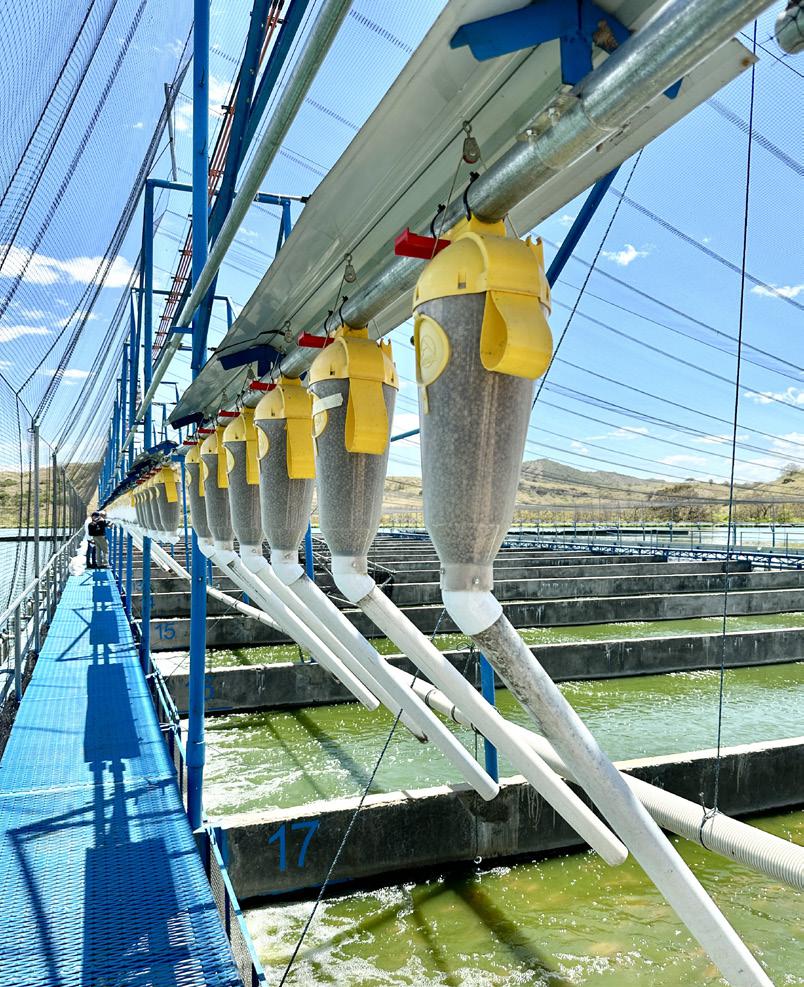
Updating feed product standards ensures consistent quality and supports industrial-scale production. At the same time, precision feeding technologies are emerging as a transformative approach. By integrating sensors, internet of things (IoT), and artificial intelligent (AI) farmers can monitor environmental parameters and fish growth in real time, adjusting feeding amounts and frequencies to minimize waste, preserve water quality, and maximize growth. Advances in deep learning and behavioral monitoring promise even more refined and automated feeding systems.
In summary, addressing these challenges — nutritional databases, fishmeal replacement, plant protein utilization, feed additives, functional and fermented diets, processing improvements, and precision feeding — will be key to achieving sustainable, efficient, and environmentally friendly aquaculture nutrition.
Strategies for Sustainable Expansion of Aquaculture
The sustainable expansion of aquaculture depends on feeds and systems that reduce carbon footprints, minimize nutrient emissions, and meet consumer demands for product quality. Key strategies include lowcarbon feeds, emission-reduction tools, bioprocessing, and precision management.
Low-carbon feeds
The carbon footprint (CF) of aquafeeds comes from ingredient production, transport, processing, and use. Aquatic feeds require more energy than terrestrial feeds due to finer grinding and extrusion, making grinding, pelleting, and drying major emission drivers. Improving mill efficiency, recovering heat, and reducing packaging can lower CF.
Ingredient choice is equally critical: animal meals have higher CFs, but purely plant-based formulas risk poor growth unless amino acid balance and digestibility are corrected. Promising alternatives include single-cell proteins (algae, bacteria, fungi) and insect meals, which efficiently convert waste into high-quality protein with far lower emissions, though scaling and cost remain challenges.
Emission reductions
Most aquatic animals retain less than half of dietary nitrogen and phosphorus, with the surplus fueling eutrophication. Solutions include refining requirements by life stage, improving digestibility, and adding targeted supplements. Proteases enhance protein hydrolysis and reduce nitrogen waste, while phytase improves phosphorus bioavailability from plant meals, lowering reliance on inorganic P. Protecting enzyme activity during extrusion through encapsulation or surface spraying is essential. Organic acids such as citric, formic, and butyrate improve mineral absorption, gut health, and feed efficiency, though optimal doses vary by species.
Fermentation
Microbial and enzymatic fermentation reduces antinutritional factors in plant proteins (e.g., phytic acid, tryp sin inhibitors), produces beneficial peptides, and improves digestibility. Fermented soybean, rapeseed, and cottonseed meals can replace part of fishmeal, but excessive inclusion may harm growth or trigger oxidative stress, requiring species-specific evaluation.
Meeting supply-chain demands
With rising global consumption, flesh quality — including texture, flavor, and color — has become central. Nutrition and husbandry can enhance these traits: adequate protein and vitamins, selected botanicals, and additives such as creatine or marine algae influence connective tissue and flavor compounds. Exercise also shows promise for improving texture.
In summary, combining low-carbon ingredients and efficient manufacturing with enzyme, acid, and fermentation technologies, alongside precision feeding, provides a clear path to reducing environmental impacts while ensuring high-quality aquaculture products for a growing global market.
Applications of Modern Biotechnology in Aquaculture Nutrition
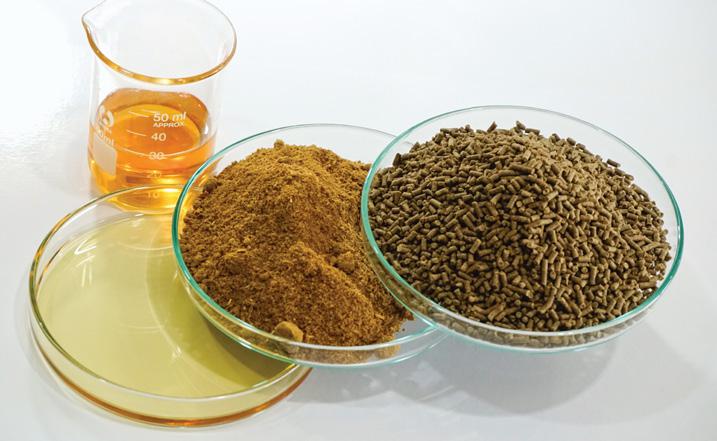
The rapid expansion of aquaculture requires a deeper understanding of nutritional metabolism across genes, transcripts, proteins, post-translational modifications (PTMs), metabolites, and gut microbiota. Traditional growth trials, though valuable, are time-consuming, low in throughput, and highly dependent on experimental conditions, limiting their reproducibility. Modern biotechnology addresses these gaps by enabling high-throughput, precise, and reproducible analyses, offering powerful tools to map nutrient pathways and responses.
Cell models
Cultured cells provide controlled conditions to study nutrient effects, avoiding the variability of whole-animal trials. They are used for screening ingredients, assessing toxicity, and exploring immune or metabolic responses. For example, liver progenitor cells and macrophage models have helped clarify how herbal extracts, algal compounds, or hydrolyzed proteins modulate lipid accumulation and inflammation. Gene manipulation in cell models allows validation of nutrient-related signaling pathways, while coculture systems reveal crosstalk between metabolic and immune cells.
Genomics and transcriptomics
Genomic tools uncover genetic variations influencing nutritional requirements and adaptation. Population genomics links genotype to nutrient utilization, while comparative genomics highlights species-specific traits such as olfactory receptors. Transcriptomics reveals diet-induced regulation at the RNA level, identifying how bile acids or lipid levels shape gene expression and nutrientsensing pathways. Together, these approaches guide feed optimization and species-specific formulations.
Proteomics and PTMs
Proteomic analysis identifies proteins altered by diet or environment, revealing shifts in metabolic pathways. PTMs such as phosphorylation and acetylation regulate energy-related proteins like AMPK and mTOR, while broader surveys of modifications (e.g., succinylation, crotonylation) expand understanding of nutrient control at the protein level.
Metabolomics
By profiling small molecules, metabolomics provides real-time insight into energy and nutrient fluxes. It has shown, for example, how reducing fishmeal can impair glucose metabolism in cobia or how taurine supplementation improves carbohydrate utilization in tilapia. Integration with other omics helps identify biomarkers for growth, health, and stress adaptation.
Microbiomics
Sequencing of gut microbial communities links diet to host health. Studies show dietary postbiotics or reduced starch improve microbiota balance, while gene catalogs of fish gut microbiomes clarify host–microbe interactions. Future approaches combining metagenomics and metatranscriptomics will deepen insights into microbial functionality.
Genome editing
Clustered regularly interspaced short palindromic repeats/associated protein 9 (CRISPR/Cas9) enables targeted modifications that improve nutrient use and resilience. For example, gene knockouts in zebrafish altered energy pathways and improved hypoxia tolerance, while myostatin deletion in red sea bream enhanced growth and feed efficiency.
Collectively, these biotechnologies enable precision nutrition, optimized feed design, and improved sustainability in aquaculture.
Limitations and Challenges in Applying Modern Biotechnology to Aquatic Nutrition
Despite major advances, modern biotechnology in aquaculture nutrition faces significant hurdles. A key challenge is the lack of stable cell lines for many species, limiting physiologically relevant in vitro models. Omics approaches are constrained by incomplete databases, low-quality reference genomes, poor annotation of metabolites and microbes, and variability across laboratories, which reduces reproducibility.
Proteomics is hampered by masking effects of abundant proteins and insufficient PTM annotation. Data integration requires costly sequencing, advanced computing, and standardized management. Finally, genome editing suffers from low efficiency, technical and ethical concerns, regulatory variability, and limited consumer acceptance, complicating large-scale application.
Future Outlook
Aquaculture nutrition faces ongoing challenges but offers vast opportunities for sustainable growth. Key priorities include developing alternatives to fishmeal and fish oil, expanding knowledge of species-specific nutritional needs, and creating specialized databases to support AI-driven feed formulation. Long-term goals involve advancing precision nutrition through biotechnology, optimized nutrient ratios, targeted additives, and gene-edited breeding. These innovations will promote efficient, environmentally friendly aquaculture and ensure food security for a growing global population.
This is a summarized version developed by the editorial team of Aquaculture Magazine based on the review article titled “NUTRIENT PHYSIOLOGY, METABOLISM, AND NUTRIENT-NUTRIENT INTERACTIONS. A REVIEW OF THE LATEST ADVANCES IN AQUACULTURE NUTRITION RESEARCH” developed by: Chunxiang Ai – Xiamen University; Xiangjun Leng – Shanghai Ocean University; Zhi Luo – Huazhong Agricultural University; Zhigang Zhou -Chinese Academy of Agricultural Sciences; Qinghui Ai – Ocean University of China. The original article, including tables and figures, was published on AUGUST 2025, through THE JOURNAL OF NUTRITION. The full version can be accessed online through this link: https://doi.org/10.1016/j.tjnut.2025.08.009