


• The MARA legislation is necessary to support the expansion of American sector, said Drue Banta Winters, campaign manager of Stronger America Through Seafood
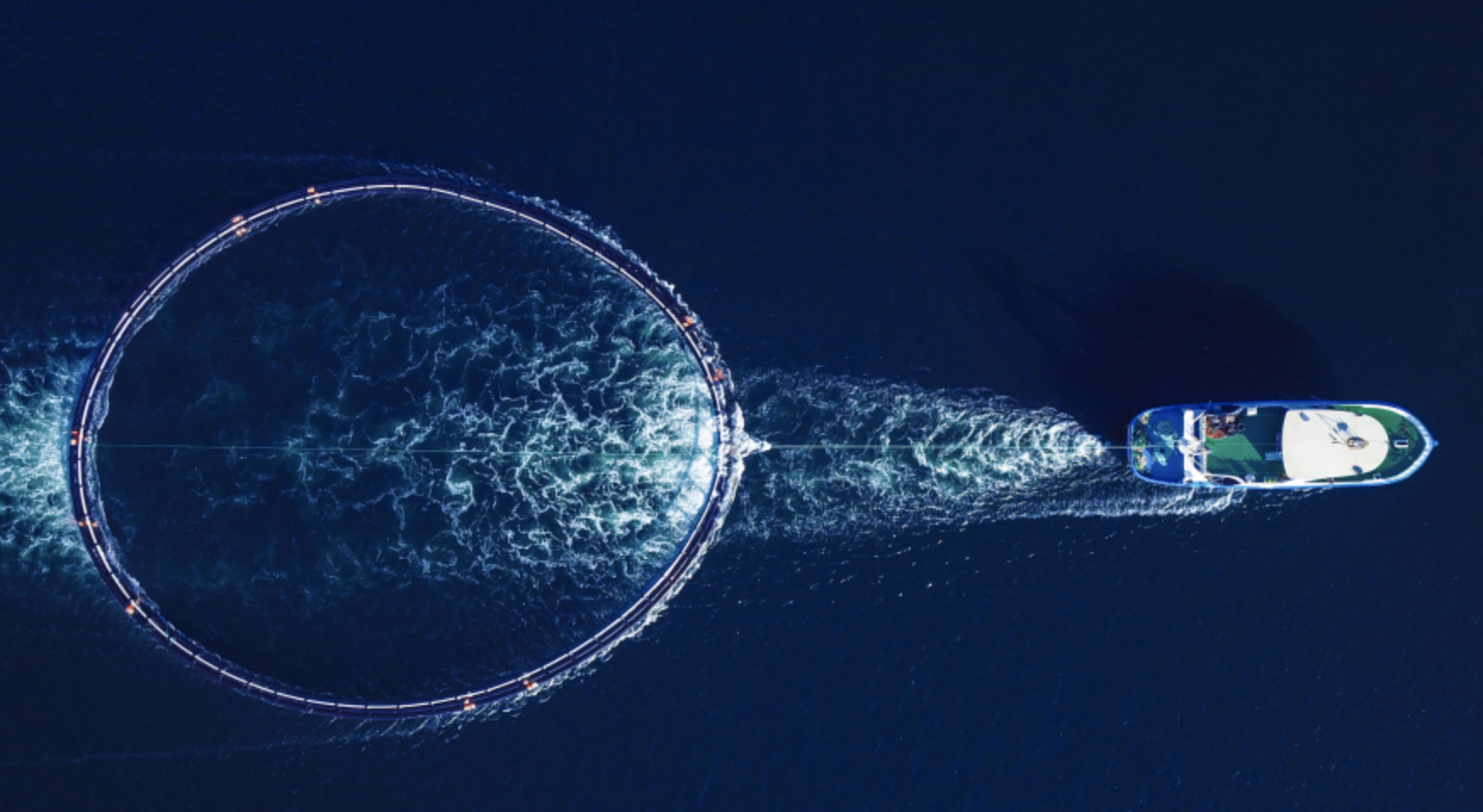
In a bipartisan momentum for expanding open ocean aquaculture, United States (US) representatives Mike Ezell (R-MS), Ed Case (D-HI), Kat Cammack (R-FL) and Jimmy Panetta (D-CA) introduced the bipartisan Marine Aquaculture Research for America (MARA) Act of 2025, legislation that aims to strengthen America’s seafood industry by advancing commercial-scale open ocean aquaculture farms in US federal waters. The bill is companion legislation to the bipartisan Senate measure (S.2586) introduced earlier this year by Senators Brian Schatz (D-HI) and Roger Wicker (R-MS).
“We thank Reps. Ezell, Case, Cammack and Panetta for their leadership in introducing the MARA Act in the US House, legislation that is necessary to support the expansion of American aquaculture” said Drue Banta Winters, campaign manager of Stronger America Through Seafood (SATS).
“This bill is an important step forward as the US seeks to increase the supply of sustainable seafood coming into US ports. Open ocean aquaculture would work in complement with our nation’s wild fisheries to help increase America’s seafood supply, create jobs across the seafood supply chain, and spur investment in coastal communities. SATS looks forward to continuing to educate Members of Congress on why federal legislation is needed to build a robust American open ocean aquaculture industry that will benefit communities nationwide.”
They explain that, since the MARA Act was introduced in the Senate, the bill has gained bipartisan support, as well as backing from leading environmental groups, seafood industry leaders, award-winning chefs, and academics who recognize that with today’s advanced technology, open ocean aquaculture is an opportunity to grow more seafood responsibly in our own waters.
Enormous Potential
“The MARA Act ensures that as we grow our offshore aquaculture sector, we do it the right way with science, transparency, and public engagement at the center,” Rep. Ezell said.
According to Ezell, “this bill puts the US on a path to food security, environmental stewardship, and coastal economic development. Offshore aquaculture, when done responsibly, holds enormous potential to feed more people, create jobs, and protect wild fisheries. The MARA Act gives us the tools to lead the world in sustainable seafood production.”
“America should be leading the world in responsible, sustainable seafood production, not outsourcing it,» Cammack said. «The MARA Act will strengthen our food security, support our coastal communities, and ensure that growth in aquaculture off our shores happens the right way—with transparency, science, and accountability.”
Benefits for the Communities and for all the Country
The MARA Act would establish an assessment program to evaluate commercial-scale demonstration projects; create a dedicated Office of Aquaculture within the National Oceanic and Atmospheric Administration’s (NOAA) National Marine Fisheries Service to coordinate federal permitting for a US aquaculture program; set clear timelines and establish a consolidated environmental review process during the permitting approval process.
Also, the MARA would authorize grant funding to modernize American working waterfront communities, including infrastructure that benefits both commercial fishing and aquaculture; and invest in workforce training and curriculum development to train the next generation of aquaculture professionals.
For them, expanding American aquaculture would benefit communities nationwide, not only for coastal areas but for inland communities as well. Increased domestic seafood production would spur investment in portside infrastructure, revitalize working waterfronts, and create new jobs across the seafood supply chain, including at hatcheries, fish farms, equipment manufacturers, feed suppliers, processing plants, and retailers. It would also create new markets for American farmers who grow key ingredients used in sustainable plant-based fish feeds, such as soybeans, corn, peas, wheat, barley, rice, canola, and flaxseed.